Post by : Saif
Al-Najjar
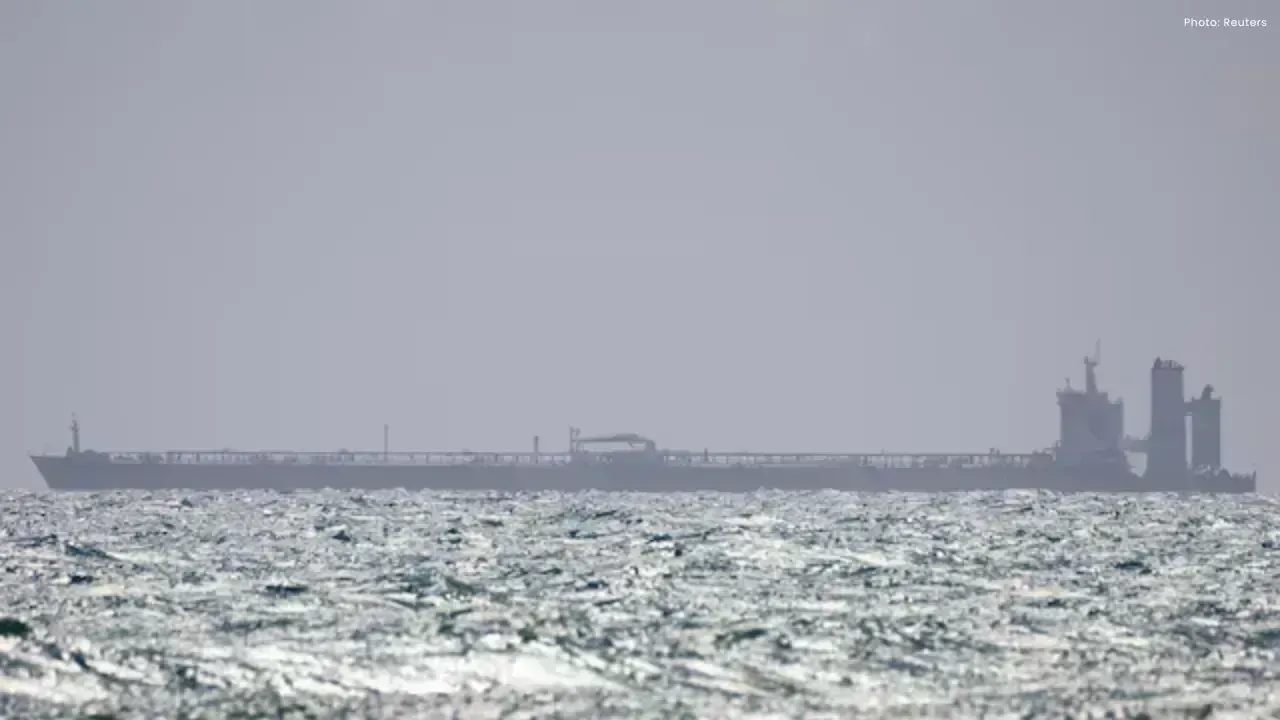
The U.S. government has announced its decision to return a captured oil tanker to Venezuela, a move that has caught experts off guard given the country's stringent policies on Caracas. The vessel, known as the Panama-flagged M/T Sophia, was confiscated earlier this month amid broader U.S. efforts aimed at constraining Venezuela’s oil sector.
Intercepted on January 7 by the Coast Guard with military support, the M/T Sophia was reported to be transporting oil, categorized as a sanctioned vessel operating in what is termed a “dark fleet.” These types of ships are often accused of concealing their identity to bypass international sanctions.
In recent months, the United States has amplified its initiatives to seize tankers connected to Venezuela, apprehending at least seven such vessels since late last year as part of an agenda to stifle the Venezuelan government’s revenue streams.
U.S. officials have confirmed that the tanker is being returned to Venezuelan authorities, though the rationale behind this decision remains unexplained. It is also uncertain if the Sophia is still laden with oil. Both the Coast Guard and Venezuela's communications office have not replied to inquiries for comment.
This decision arrives amid rising tensions between Washington and Caracas. President Donald Trump has spotlighted Venezuela in his Latin American foreign policy. Following unsuccessful diplomatic attempts to oust President Nicolas Maduro, Trump recently ordered an ambitious military mission targeting Maduro and his wife. Trump has also expressed intentions for the U.S. to assume long-term oversight of Venezuela's oil resources through a $100 billion initiative to revitalize the struggling oil sector.
Recently, the Sophia and another seized tanker were seen near Puerto Rico. Many of these targeted vessels, being over two decades old, often lack the necessary safety certifications and insurance. Experts in shipping caution that such aging tankers significantly jeopardize maritime safety and environmental integrity.
Without adequate insurance, confirming responsibility becomes challenging in cases involving collisions or spills, complicating cleanup and compensation, as noted by industry sources.
Furthermore, GMS, a Dubai-based ship recycling company, has sought a U.S. license to purchase and dismantle boats connected to Venezuelan oil, indicating that Washington may still pursue rigorous measures to permanently eliminate unsafe and sanctioned vessels from trade.
The decision to return the M/T Sophia without a transparent public rationale raises concerns regarding the future of U.S. sanctions enforcement. Although the overarching campaign against Venezuelan oil persists, this situation underscores the complexities and uncertainties of U.S. policy.
As global energy markets, shipping companies, and governments scrutinize these developments, the transfer of the tanker exemplifies the rapid shifts in strategies amid the ongoing conflict over Venezuela's oil and political landscape.


 English