Post by : Shweta
25 Years After 9/11, the Human Cost Continues
Twenty-five years after the September 11 attacks killed nearly 3,000 people in the United States, the wars launched in response have left a much larger global human toll. According to estimates from Brown University’s Costs of War Project cited by Al Jazeera, US-led wars and military operations since 2001 have directly or indirectly caused between 4.5 million and 4.7 million deaths.
Afghanistan Became America’s Longest War
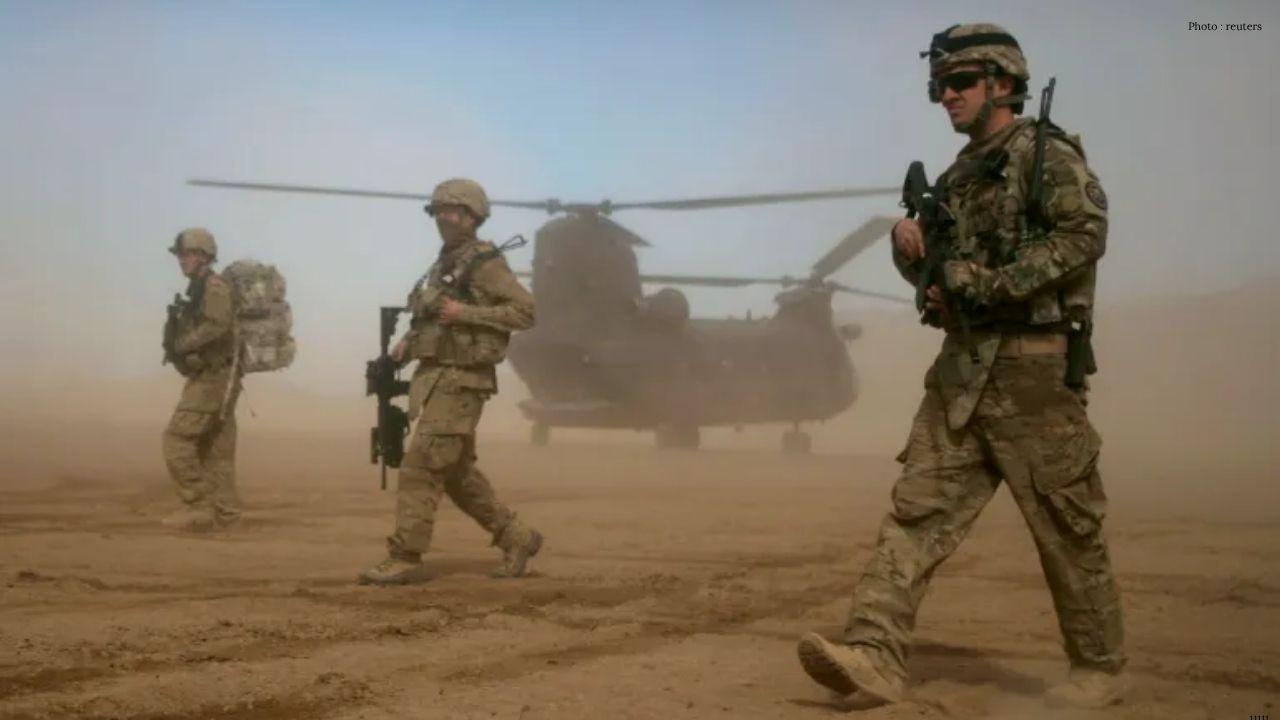
The US launched its war in Afghanistan on October 7, 2001, less than one month after the September 11 attacks. The conflict continued for nearly two decades across four US presidencies before American forces withdrew in 2021. The Costs of War Project estimates that approximately 176,000 people died directly as a result of the war, while hunger, disease, injuries and other consequences caused additional deaths.
Read more : Trump Pledges $5,000 Dividend if GOP Wins Midterms
Iraq War Left a Deep Civilian Legacy
The US invasion of Iraq began on March 19, 2003, after the administration of President George W. Bush argued that Iraq possessed weapons of mass destruction. No such stockpiles were found. The war and its aftermath resulted in enormous civilian suffering, displacement and destruction. The Costs of War analysis cited by Al Jazeera estimates approximately 315,000 direct war deaths in Iraq.
Drone and Air Campaigns Spread Across Regions
US military operations after 9/11 extended beyond Afghanistan and Iraq. American air and drone campaigns were conducted in countries including Pakistan, Yemen and Somalia, while the US-led campaign against ISIL targeted areas of Iraq and Syria. The military operations caused further civilian casualties and contributed to instability and displacement across several countries.
More Than 38 Million People Were Displaced
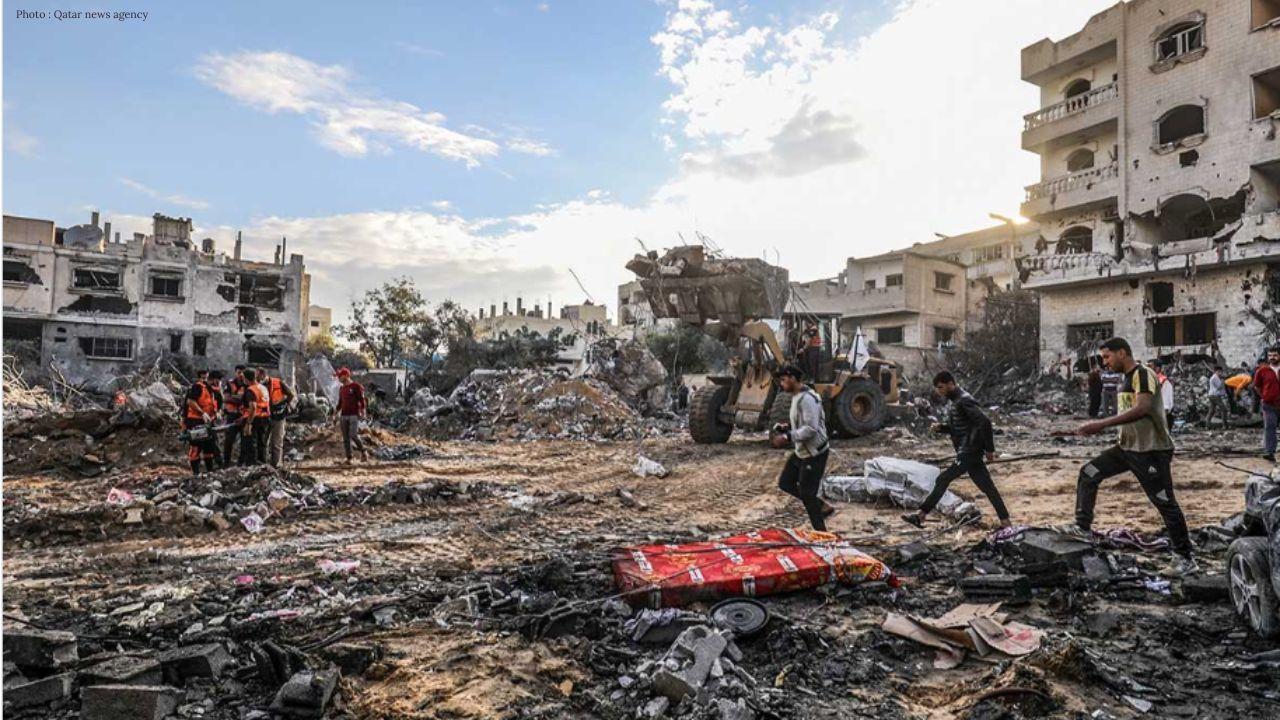
The Costs of War Project estimates that more than 38 million people across Afghanistan, Iraq, Pakistan, Yemen, Somalia, the Philippines, Libya and Syria have been displaced because of post-9/11 wars. Many people were forced to flee within their own countries, while millions others became refugees and faced repeated displacement across borders.
US Veterans Continue to Face Long-Term Costs
The consequences of the wars have also affected US military personnel and veterans. More than 800,000 US troops served in Afghanistan, while thousands of American service members were killed or wounded during the post-9/11 conflicts. The Costs of War Project estimates that future healthcare and other costs for post-9/11 veterans could reach between $2.2 trillion and $2.5 trillion by 2050.
Wars Have Cost the US Trillions
The financial cost has been enormous as well. The Costs of War Project estimates that the United States has spent about $5.8 trillion on post-9/11 wars, with another $2.2 trillion in future veterans' care costs. The combined burden is estimated at roughly $8 trillion, highlighting how the consequences of military interventions can continue long after fighting ends.
A Lasting Debate Over US Foreign Policy
The legacy of the post-9/11 wars remains a major issue in debates over American foreign policy. Supporters of military action have argued that the campaigns were necessary to counter terrorism and protect US security, while critics point to civilian deaths, displacement, economic costs and long-term instability. Twenty-five years after 9/11, the human consequences remain visible across communities affected by war.


 English