Post by : Saif
Al-Najjar
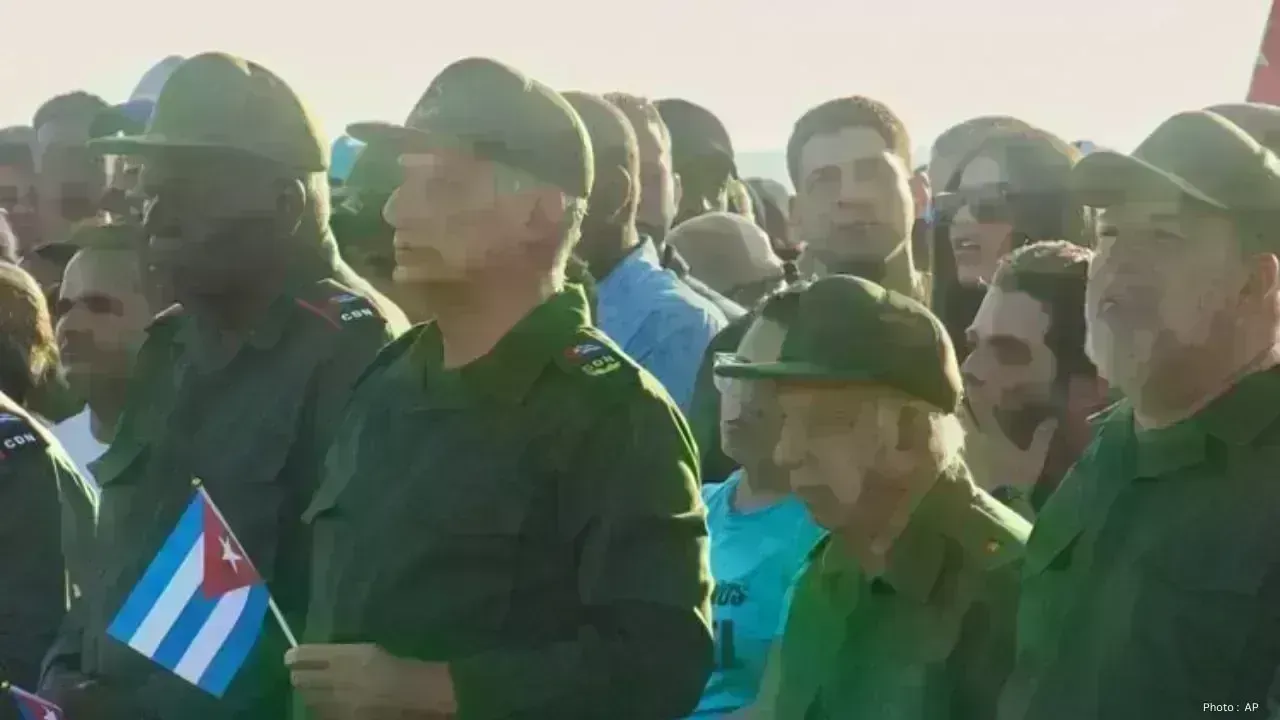
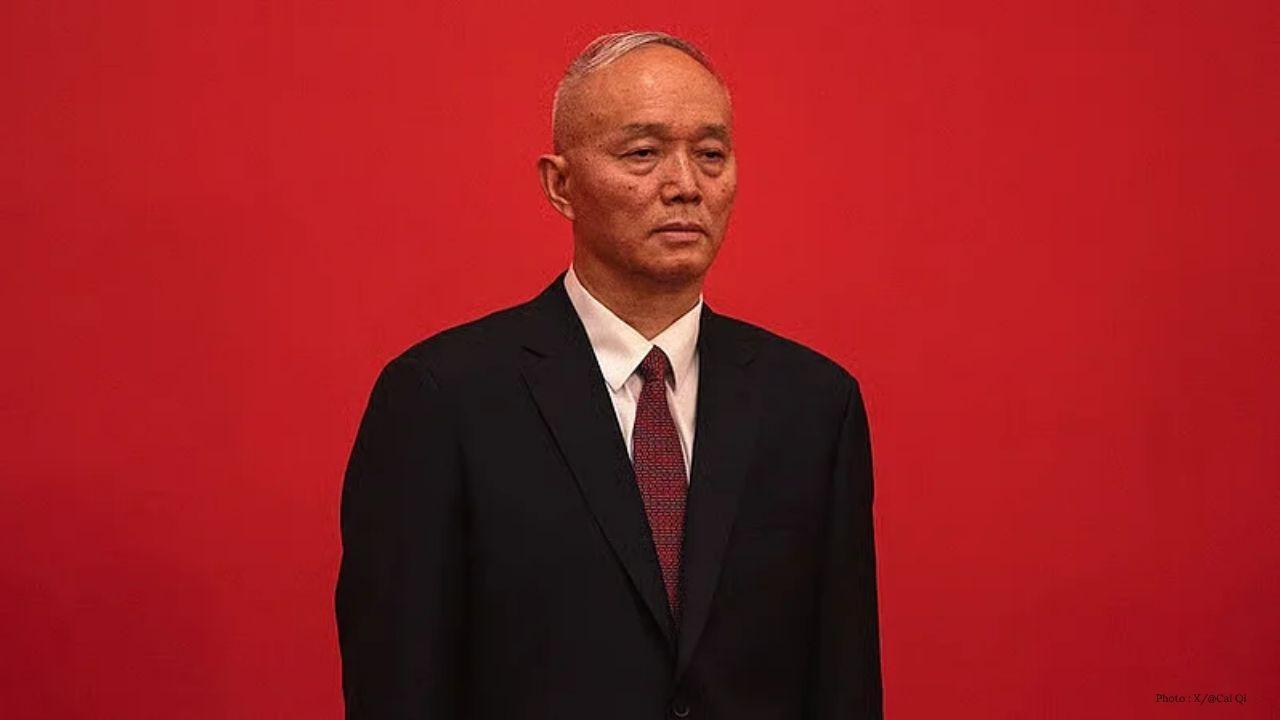
Cuban President Miguel Díaz-Canel has been sanctioned by the United States as part of an escalating effort to confront his government, which has been criticized over governance. This move signifies a continuation of the historically complex relations between the two nations, marred by enduring political conflicts and economic struggles.
This recent decision underscores the US's commitment to emphasizing human rights and political freedom in Cuba. Officials contend that tougher actions are necessary to hold leadership accountable and push for reforms that have been criticized globally.
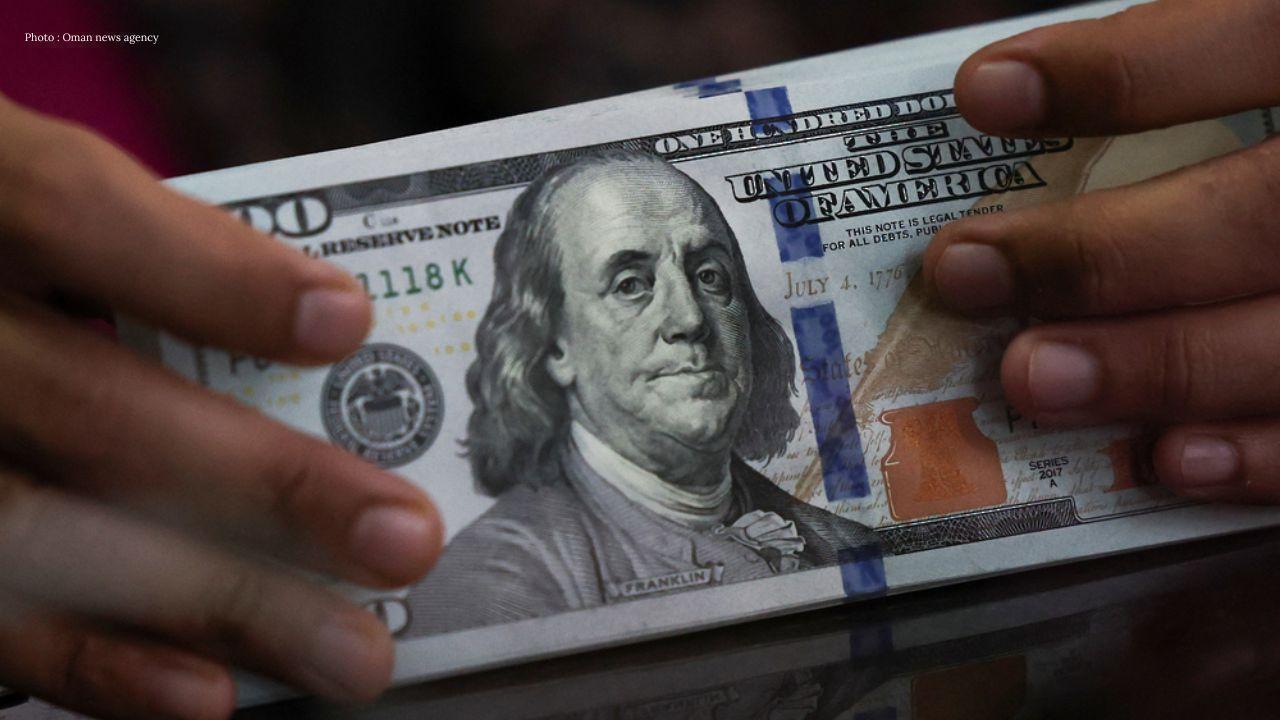
Cuba is currently navigating severe economic turmoil, characterized by soaring prices, scarcity of essential products, and difficulties in accessing foreign currency. Such challenges have exacerbated public discontent regarding the government's economic policies.
The sanctions specifically target the Cuban president and align with a broader strategy aimed at reshaping the governing landscape of the nation. While these measures typically focus on financial constraints and travel restrictions, their overarching aim is political.
Throughout the years, relations between the US and Cuba have oscillated between moments of cooperation and conflict. There have been attempts at rapprochement; however, significant divergences concerning civil liberties and political governance have continually hindered sustained improvement.
Proponents of these sanctions believe that international pressure encourages valuable reforms and adherence to democratic norms. They argue that targeted sanctions can communicate disapproval to the Cuban leadership while safeguarding ordinary citizens.
Opponents question the efficacy of such measures, asserting that sanctions can worsen relations and thwart diplomatic outreach. Additionally, there are concerns that economic measures, aimed at specific officials, could inadvertently affect the populace.
The Cuban government has traditionally refuted claims about human rights violations, labeling sanctions as intrusive and attributing economic hardships to external pressures.
This newest development is expected to capture significant attention across Latin America, with nations keenly observing the dynamic between the US and Cuba due to its historical and political relevance in the region. Actions from either side can yield profound implications for diplomatic relations across the continent.
Economic strife remains a pressing issue for many families in Cuba, with resource scarcity impacting day-to-day life. Thus, any foreign sanctions draw scrutiny regarding their potential ramifications on the Cuban economy.
Through these sanctions, the US signifies a commitment to promoting accountability and reform in Cuba, reiterating that concerns over governance and human rights remain pivotal in their foreign policy approach.
However, many observers suggest that achieving real and lasting change will require a multifaceted approach involving dialogue alongside pressure. Sanctions often necessitate time to effectuate significant political transformations.
This situation also amplifies discussions regarding the role of sanctions in foreign policy. Governments globally employ a range of economic measures with varying degrees of success in achieving desired outcomes.
Developments in diplomatic relations have implications for businesses and investors in the region, impacting trade and economic growth. Stable international relations are crucial for fostering cooperative economic activity.
The sanctions against Miguel Díaz-Canel highlight the persistent divides between the US and Cuba on pivotal governance issues. While the US views these measures as a form of accountability, Cuba considers them unjust. The future of their relations remains uncertain, reflecting deep-rooted disagreements and diverging visions for the future.
The international community will be closely monitoring whether this escalated pressure results in substantial changes or merely complicates the existing diplomatic landscape.


 English