Post by : Saif
Al-Najjar
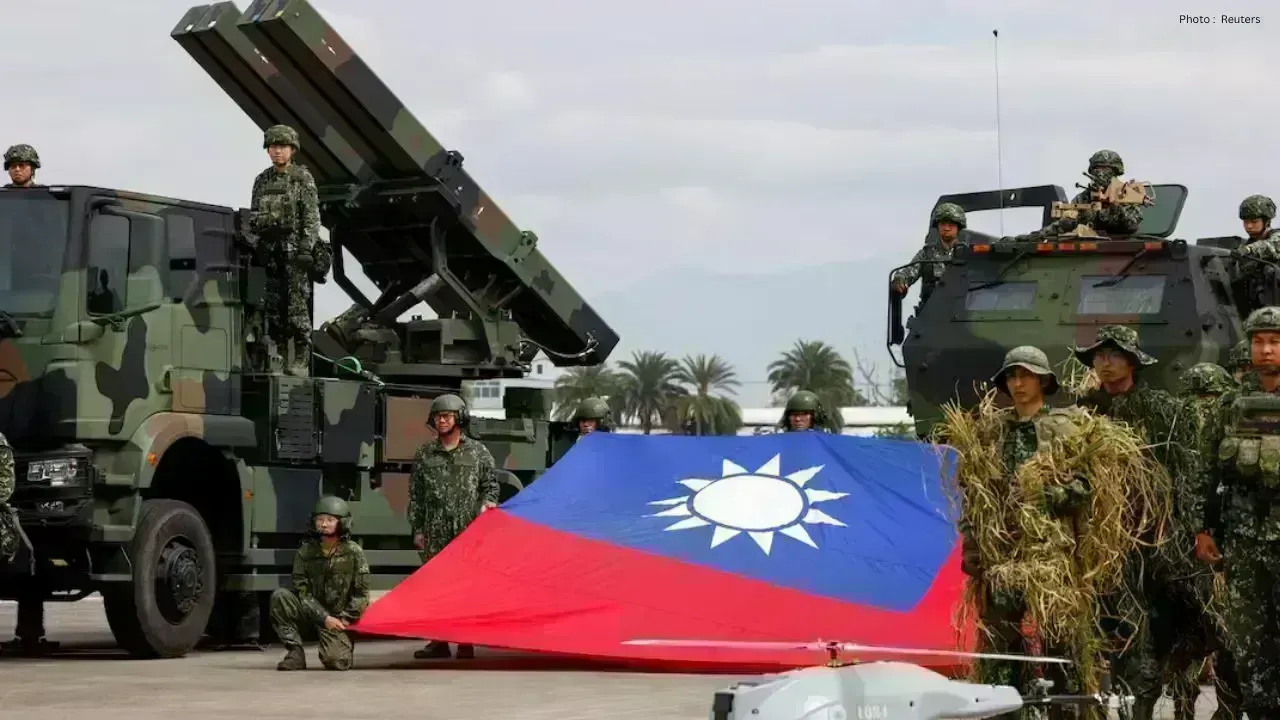
The United States has expressed alarm over the stalled defense budget in Taiwan, cautioning that reduced military funding may diminish the island's ability to counter escalating pressures from China.
The matter escalated when Taiwan's opposition-led parliament sanctioned only a fraction of the extensive defense budget proposed by President Lai Ching-te’s administration. Initially, Taiwan sought approximately $40 billion for enhanced military expenditures aimed at bolstering defenses and readiness against potential threats from China. Ultimately, lawmakers sanctioned around two-thirds of the requested funding.
A significant portion of the authorized funds is earmarked for procuring weaponry from the United States. However, various domestically developed defense initiatives, including drone and missile systems, were excluded from the approved budget. The defense ministry of Taiwan subsequently warned that these reductions could create substantial vulnerabilities in the nation’s security architecture.
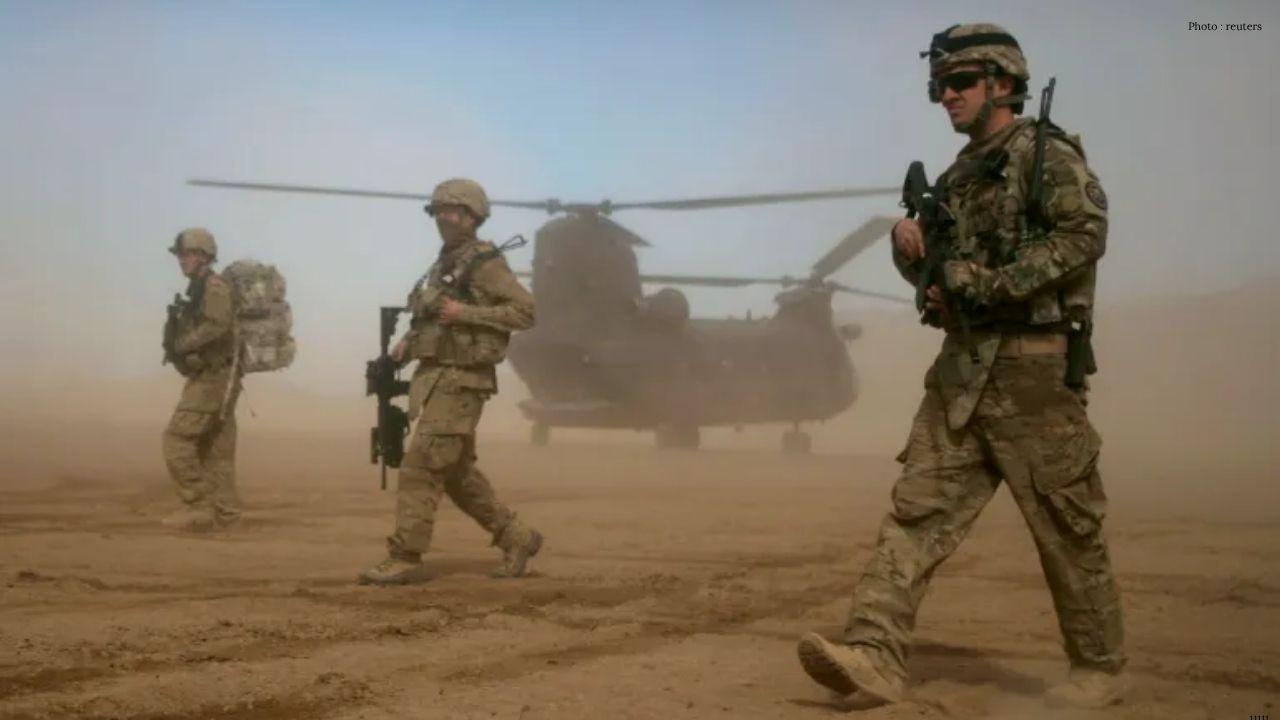
The U.S. reacted firmly to these delays and funding cuts, emphasizing that Taiwan requires robust defense capabilities in light of the intensifying military pressure from China. American officials cautioned that any postponement in fortifying Taiwan's military might be construed as a “concession” to Beijing.
China regards Taiwan as an integral part of its territory and has repeatedly expressed its ambition for reunification. Over recent years, China's military activities around Taiwan have escalated, involving warplane flights, naval drills, and military exercises in the region.
Meanwhile, Taiwan's leadership has steadfastly rejected China's assertions, maintaining that the island’s future should be determined by its own populace. Amid mounting tensions, Taiwan is heavily investing in enhancing its military preparedness and collaborating closely with the United States.
The debate surrounding the defense budget has also exacerbated political fractures in Taiwan. Opposition factions acknowledge the importance of national defense yet have accused the current administration of lacking transparency in its spending proposals. Critics contend that certain initiatives lack clarity and necessary financial disclosures.
Conversely, members of Taiwan’s ruling party assert that a diminished budget could compromise the island’s self-defense capabilities during times of increasing regional strain. Key officials have alerted that delays in essential projects might hinder air defense systems, drone initiatives, and future military strategies.
Furthermore, a significant project affected by these budgetary constraints is the planned missile defense system, deemed crucial for safeguarding the island against potential aggressions. Defense authorities caution that setbacks in such endeavors could hamper military efficiency and decelerate technological advancements.
This budgetary discord has garnered international focus, as Taiwan is a highly sensitive aspect in U.S.-China relations. Washington remains Taiwan's primary military ally, continuing to provide arms and defense resources to the island, despite the absence of formal diplomatic relations.
On the contrary, Beijing is firmly opposed to American military support for Taiwan and consistently critiques U.S. arms sales to the territory. China believes that external assistance emboldens Taiwan’s resolve against reunification efforts.
The ongoing disagreement regarding Taiwan’s defense fiscal allocations arises just before anticipated high-level discussions between American and Chinese leaders, where Taiwan will likely remain a central and contentious issue.
Analysts suggest this situation underscores the complexities surrounding Taiwan’s security. The island is striving to enhance its military capabilities while also navigating internal political strife and increasing pressure from China.
At present, the United States continues advocating for expedited defense investment in Taiwan, asserting that robust military readiness is essential for regional stability. However, the ongoing political discourse within Taiwan indicates that defense funding will persist as a significant topic in the foreseeable future.


 English