Post by : Saif
Al-Najjar
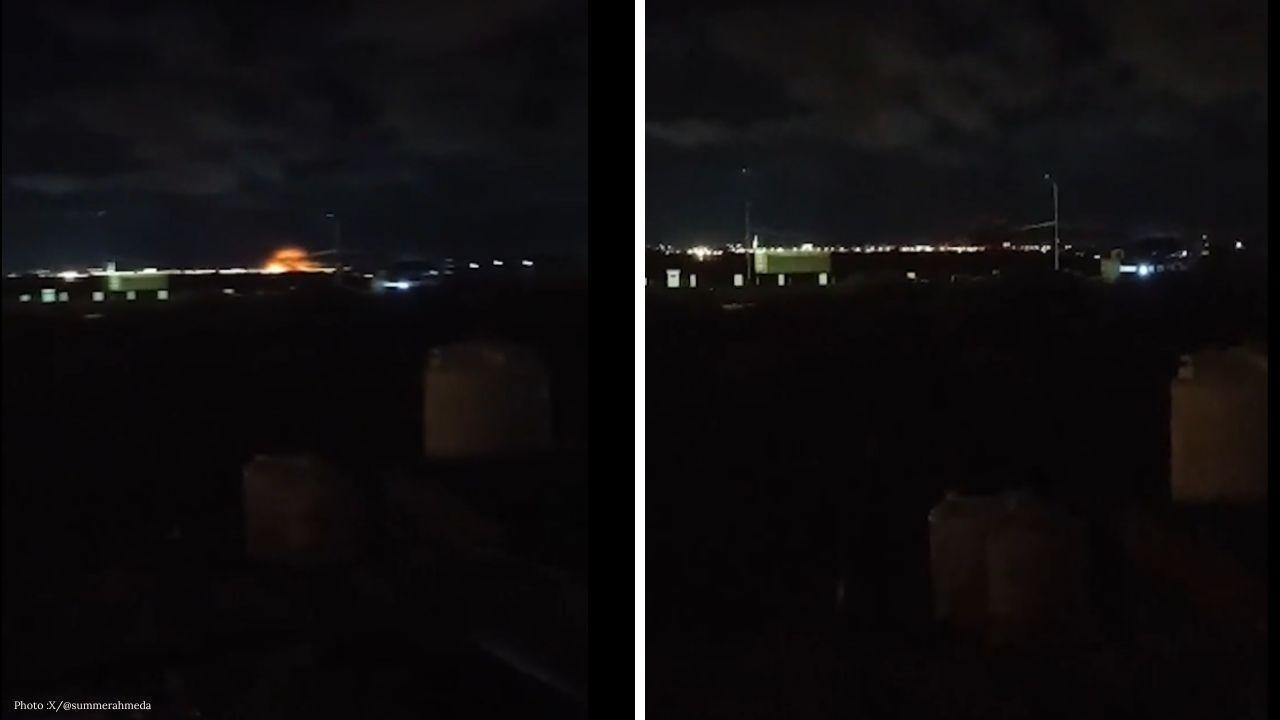
The recent military strikes by the US on Iranian coastal facilities mark a troubling escalation in Gulf tensions, stirring fears of a larger confrontation in the region. This operation was prompted by drone activity near vital shipping lanes, underscoring the longstanding friction between Washington and Tehran. As both nations continue to trade military threats, the stakes grow higher for the security of a globally important geopolitical area.
This development unfolds amid escalating political and security turmoil in the Middle East, where military activities near prominent trade routes capture international attention due to their implications for global commerce and energy supplies. Conflict involving key global powers in this region could reverberate far beyond the Gulf.
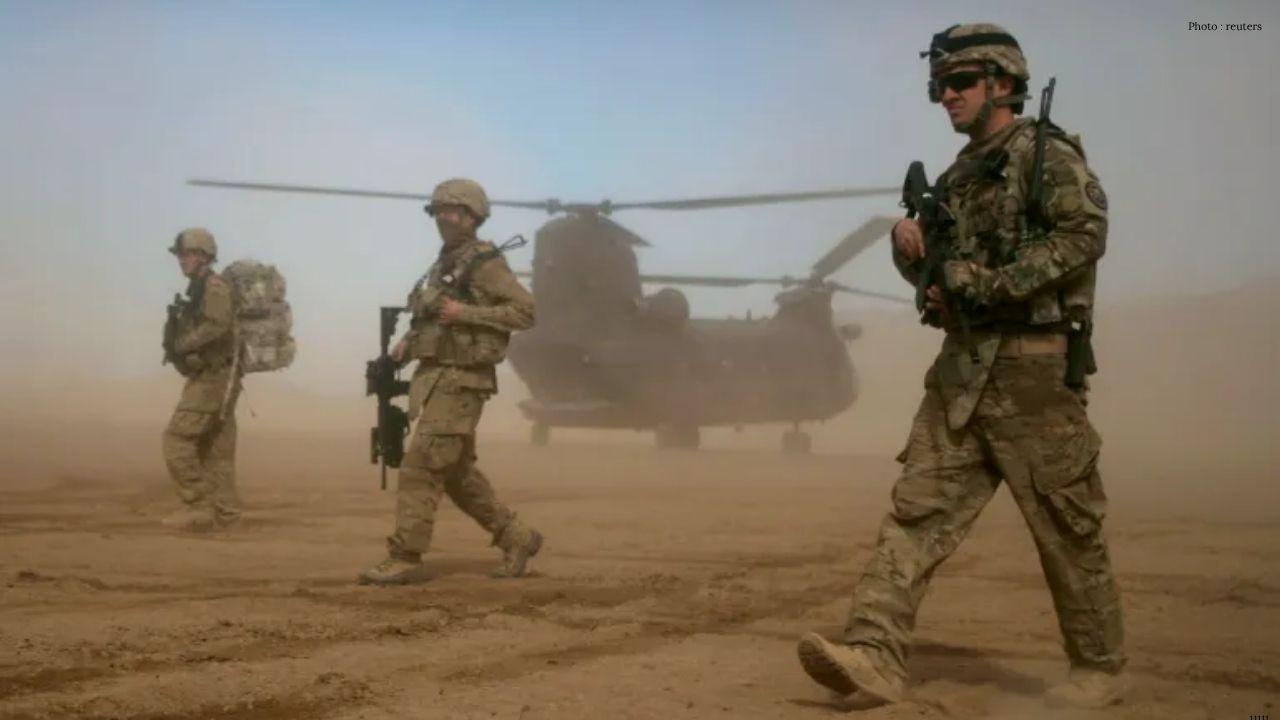
According to US officials, the operation was deemed necessary following a perceived security threat to international maritime routes. The attacks reportedly focused on military facilities essential for coastal monitoring. This was framed as a defensive tactic designed to safeguard maritime operations and mitigate further risk.
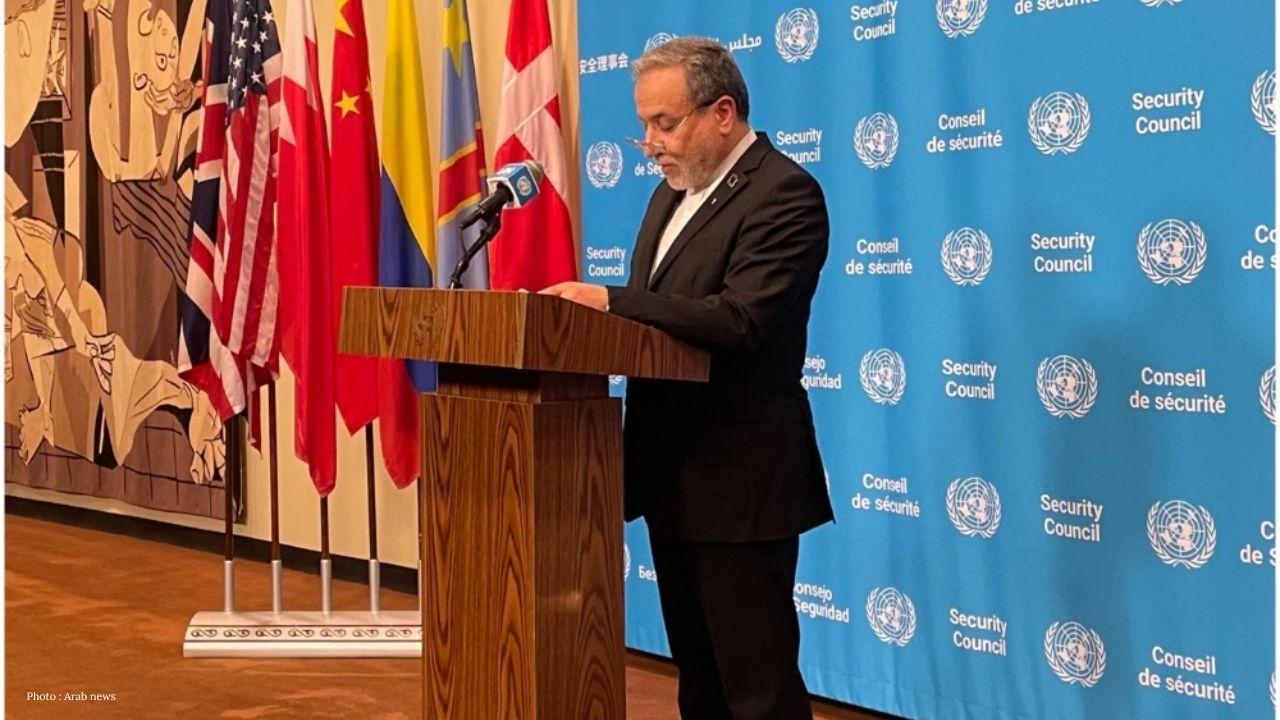
The Iranian government has condemned the airstrikes, labeling them as an aggressor stance. Officials in Tehran have asserted that these attacks infringe upon their sovereignty and have promised to retaliate against any perceived hostility. This hostility mirrors the entrenched mistrust that has characterized US-Iran relations for many years.
This confrontation is especially alarming due to its proximity to the Strait of Hormuz, a crucial maritime corridor through which a significant portion of the world's oil exports are routed daily. Ensuring stability in this region is vital for global energy markets, making any military engagement a matter of international concern.
The impact of these tensions extends beyond the two nations involved; neighboring Gulf countries are increasingly anxious as they attempt to juggle security requirements with the pursuit of economic growth. The rising unrest necessitates that governments prioritize defense preparedness while striving to ensure investor confidence and economic health.
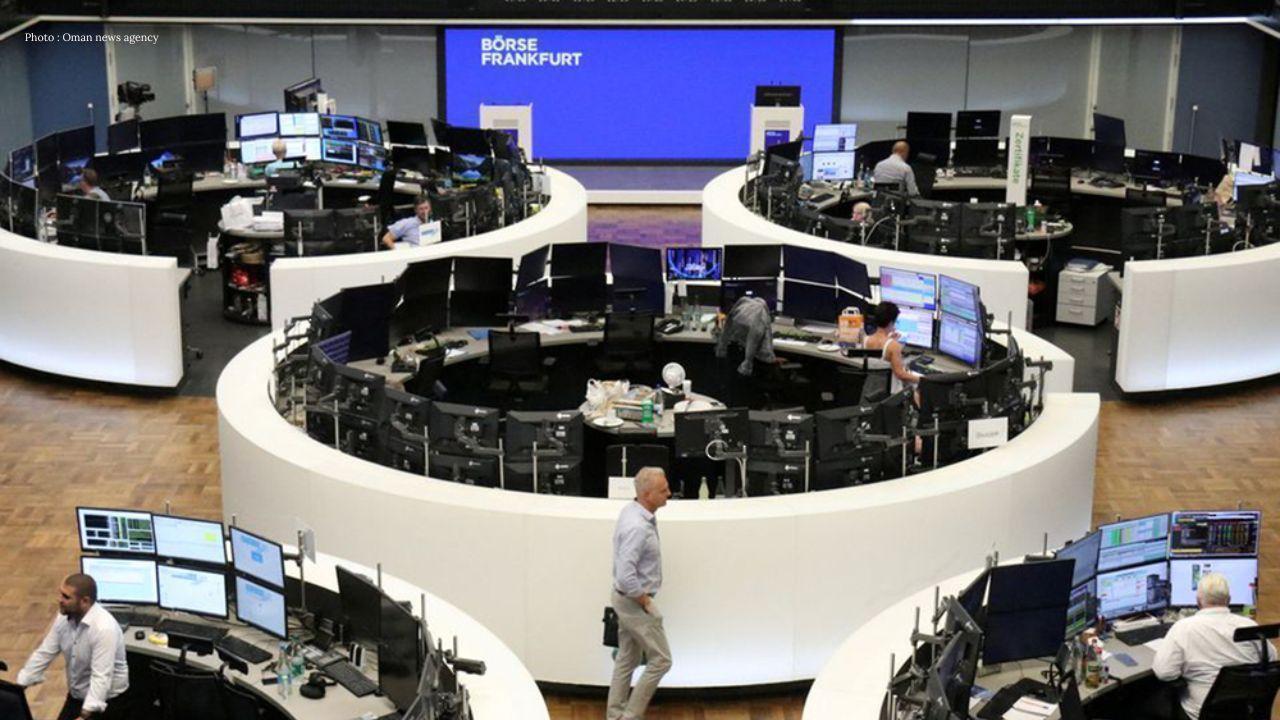
Market reactions to regional uncertainties can be swift. Even minor military incidents can create jitters about potential disruptions in shipping, influencing oil prices and instigating fluctuations in global markets. Businesses engaged in trade and energy remain vigilant regarding developments that could affect the economic landscape.
Another significant concern is the likelihood of miscalculation. Operations in volatile regions carry risks that can result in unintended consequences. A misjudgment or unexpected reaction could escalate into a broader crisis, involving more nations than anticipated. This scenario poses a significant worry for international observers.
The recent events highlight the complexities of managing tensions through diplomatic means alone. Despite various governments and organizations advocating for dialogue, entrenched mistrust complicates decision-making for both sides. Each military engagement presents new hurdles for negotiations, hampering the potential for compromise.
For residents in the region, ongoing instability incites anxiety regarding the future. Societies thrive on peace and economic opportunity, while businesses require stable conditions for investment and expansion. An extended confrontational atmosphere jeopardizes these essentials and impacts everyday life significantly.
The global community is likely to amplify calls for restraint and de-escalation in light of recent hostilities. Diplomatic efforts remain crucial to de-escalating tensions and averting a more significant conflict. Real regional stability will rely on both military readiness and the capacity for effective communication and political collaboration.
The US’s recent military engagement with Iranian sites serves as a sobering reminder of how swiftly Gulf security dynamics can shift. While the immediate situation may not escalate rapidly, it underscores the persistent challenges that the region faces. The upcoming days are set to be critical as nations seek a way to navigate this precarious landscape.


 English