Post by : Saif
Al-Najjar
The United States finds itself in a precarious situation with Iran once again. With President Donald Trump asserting his intention to confront Iran, including the possibility of military action, experts emphasize that a swift or definitive victory remains elusive. The reality is that the dynamics are far more intricate than they seem.
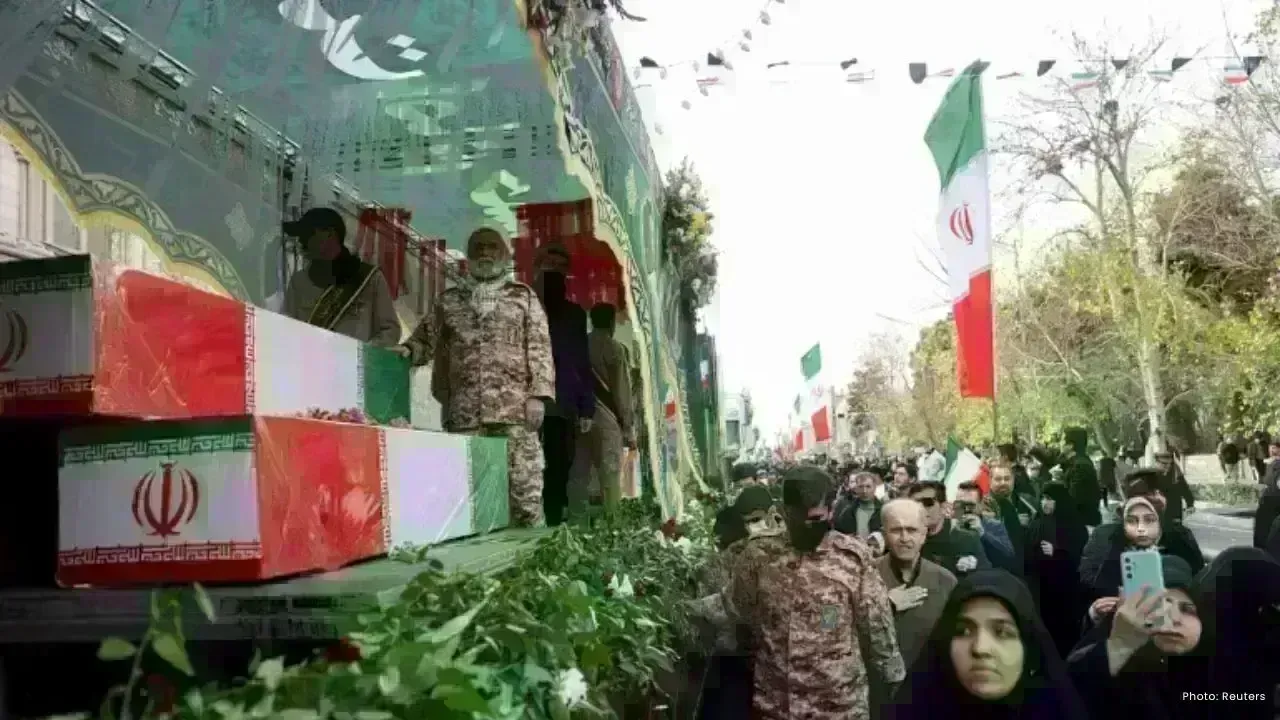
Iran is grappling with severe domestic issues, including widespread protests and economic struggles compounded by international scrutiny. Citizens are expressing dissatisfaction over high prices and employment challenges, leading to harsh reprisals from security forces. Although many protesters have reportedly been killed or arrested, the Iranian government maintains a tight grip on power and shows resilience.
Trump has criticized Iran's approach to dissent and suggested military intervention could be on the table if civil unrest persists. His fluctuating rhetoric, at times leaning towards negotiation, has only served to create an atmosphere of uncertainty both domestically and in the Middle East.
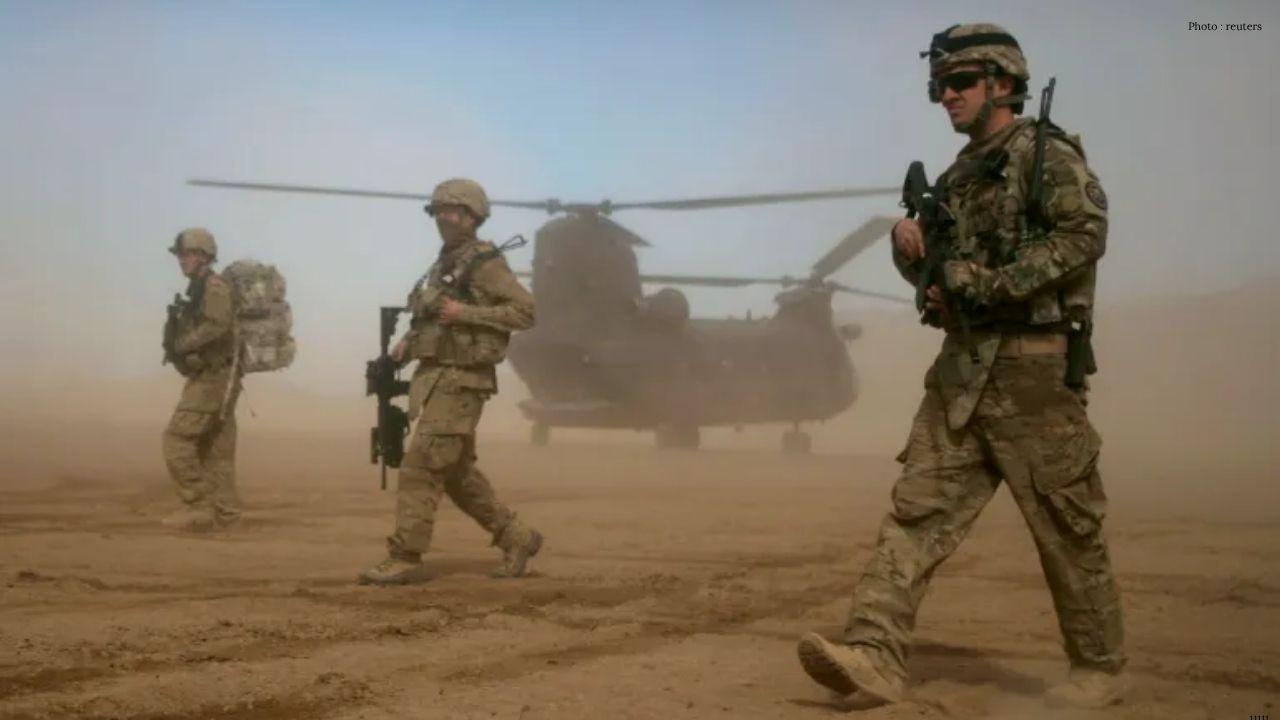
Military analysts caution that even a minor strike against Iran could present considerable dangers. Iran is far from weak; it possesses robust military capabilities and significant regional influence. Any assault might provoke a reaction against U.S. forces or allies, risking an escalation into broader conflict, a situation many aim to avert.
Historically, Iran has demonstrated a capacity to endure external pressures, having survived prolonged conflict in the 1980s and persistent sanctions. Such experiences have forged a government poised to counter threats, leading analysts to posit that external military actions may inadvertently consolidate Iranian unity.
Concerns about regional stability abound. Iran maintains alliances with numerous groups across neighboring countries, which, despite some weakening, still pose potential disruptions. A conflict involving Iran could extend beyond its frontiers, impacting oil supplies, trade routes, and civilian safety throughout the Middle East.
In the United States, the toll of prolonged military engagement weighs heavily on public sentiment. Following numerous years of conflict in the area, many Americans are growing weary of entanglements with vague outcomes. Lawmakers express concern that aggressive rhetoric without a comprehensive strategy could ensnare the U.S. in an unmanageable crisis.
Despite the challenges, diplomacy remains a vital consideration for many analysts. The dialogue between the U.S. and Iran is currently fraught, with deep-seated mistrust on both sides. Yet historical precedence suggests that engagement, even amidst rivalry, can mitigate tensions and avert violence. Achieving a peaceful resolution will necessitate patience, compromises, and strategic leadership.
Ultimately, the ongoing crisis with Iran poses no straightforward solutions. While internal strife does not guarantee change within the country, military options come with significant risks. Experts concur that uncomplicated victories for the U.S. are out of reach in this complex landscape. Any decisions taken now will have extended ramifications, not only for the nations involved but for the global stage as well.


 English