Post by : Shweta
Surge in Oil Prices Amid Escalating U.S.-Iran Situation
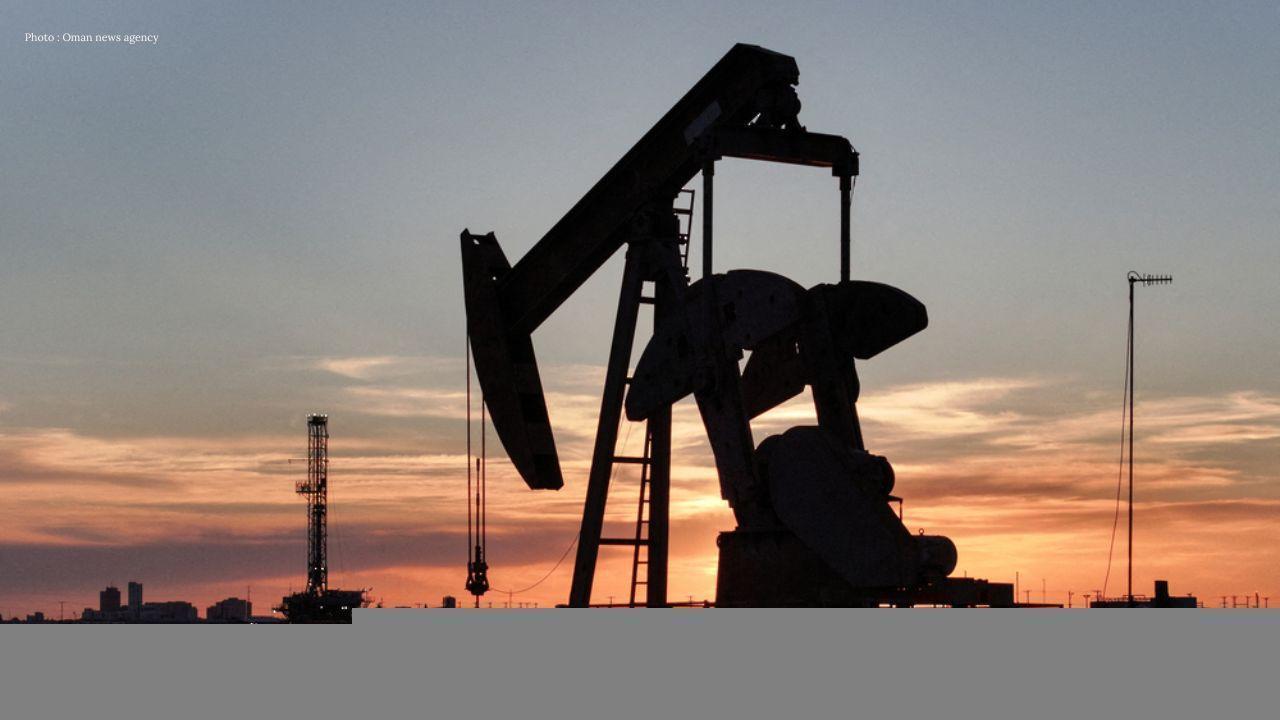
Oil prices surged on Monday due to heightened tensions between the United States and Iran, generating new concerns about oil supply from the Middle East. This rise followed reported strikes on vessels in and near the Strait of Hormuz, a crucial oil shipping route worldwide.Brent crude futures experienced an uptick of 79 cents, or 0.82 percent, reaching $97.07 per barrel as of 8:12 a.m. Saudi time. In parallel, West Texas Intermediate crude increased by 80 cents, or 0.87 percent, climbing to $92.28 per barrel.
Strong Weekly Gains for Brent and WTI
This increase comes following significant price hikes last week, where Brent crude jumped by 7.8 percent, and WTI rose nearly 10 percent, as per Reuters' report. Traders are keeping a close eye on developments around the Strait of Hormuz, given that a substantial portion of global oil supply historically traverses this waterway. Any significant disruption could intensify pressure on crude markets internationally.
Maritime Strikes Heighten Supply Doubts
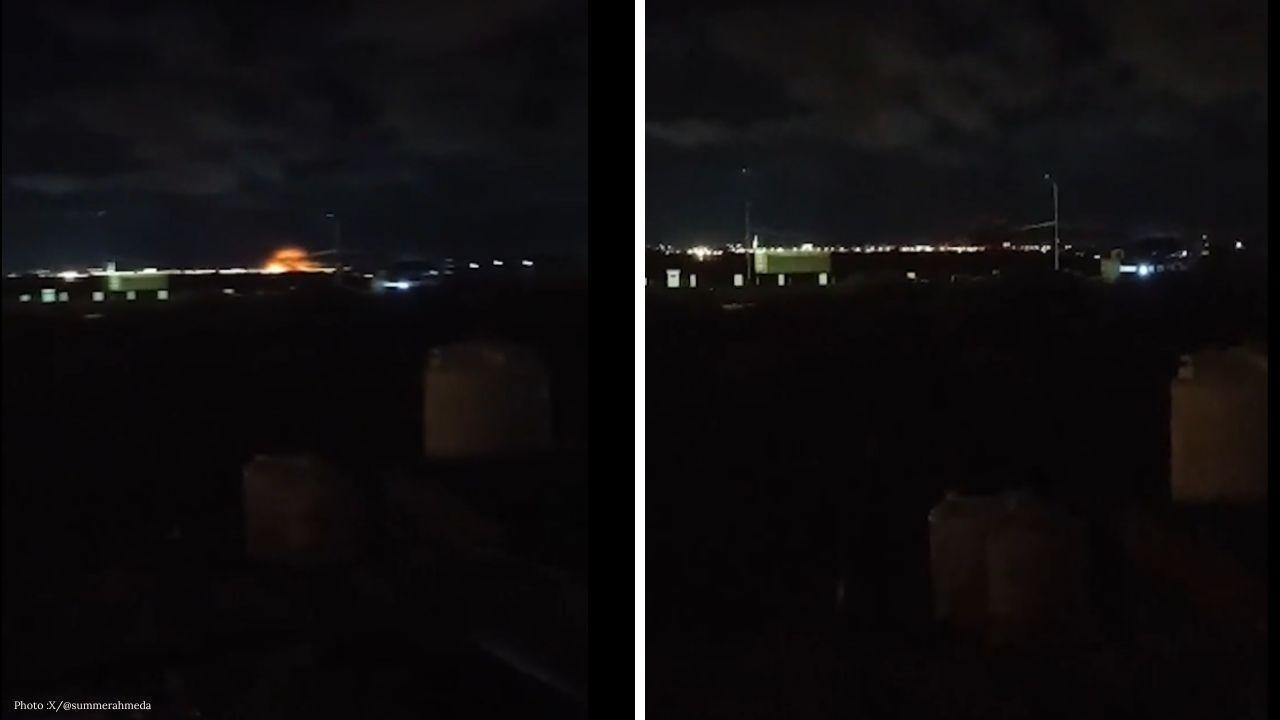
U.S. Central Command reported that U.S. forces targeted three Iranian oil tankers on Saturday, including one near Kharg Island, a key area for Iranian oil exports. In response, Iran's Islamic Revolutionary Guard Corps Navy claimed it struck three tankers navigating what it termed unauthorized routes through the Strait of Hormuz, along with three additional U.S. vessels in different locations. These clashes have raised alarms among shipping and energy analysts regarding the safety of vessels operating in the region, with maritime intelligence company Marisks labeling the incidents as a significant rise in maritime hostilities.
Shipping Traffic Drops to Lowest Since May
Data from analytics firm Kpler indicated that an average of 10 commodity ships per day traversed the Strait of Hormuz over the last 10 days, marking the lowest traffic levels since May, as reported by Reuters. This decline in shipping is significant for energy markets, as a sustained drop in tanker activity may hinder the transportation of crude oil and various commodities from the Middle East.
Concerns of Additional Supply Shocks
Market experts are cautioning that a further decline in shipping metrics could lead to sharper increases in oil prices. Priyanka Sachdeva, head of market insights at Phillip Nova, predicts that the market may start accounting for substantial supply shocks should tanker activity slow down appreciably. Additionally, Iranian state media has reported plans to establish a restricted zone outside the Strait of Hormuz in the near future, potentially adding further uncertainty for commercial shipping and international energy markets.
Read more : Riyadh Gears Up for the Global Health Exhibition This October
OPEC+ Maintains October Oil Output Policy
The OPEC+ coalition has chosen to maintain its oil output policy for October, as announced during a meeting on Sunday. This decision comes while oil markets fixate on the repercussions of the conflict on production, exports, and shipping lanes. Analysts from ANZ noted that a protracted standoff involving strategic military operations from the U.S. and Iran appears to be the most probable scenario. They estimate that oil exports from the Middle East will likely remain limited through the end of 2026, with a potential gradual reopening beginning late in the fourth quarter.


 English