Post by : Bianca
Haleem
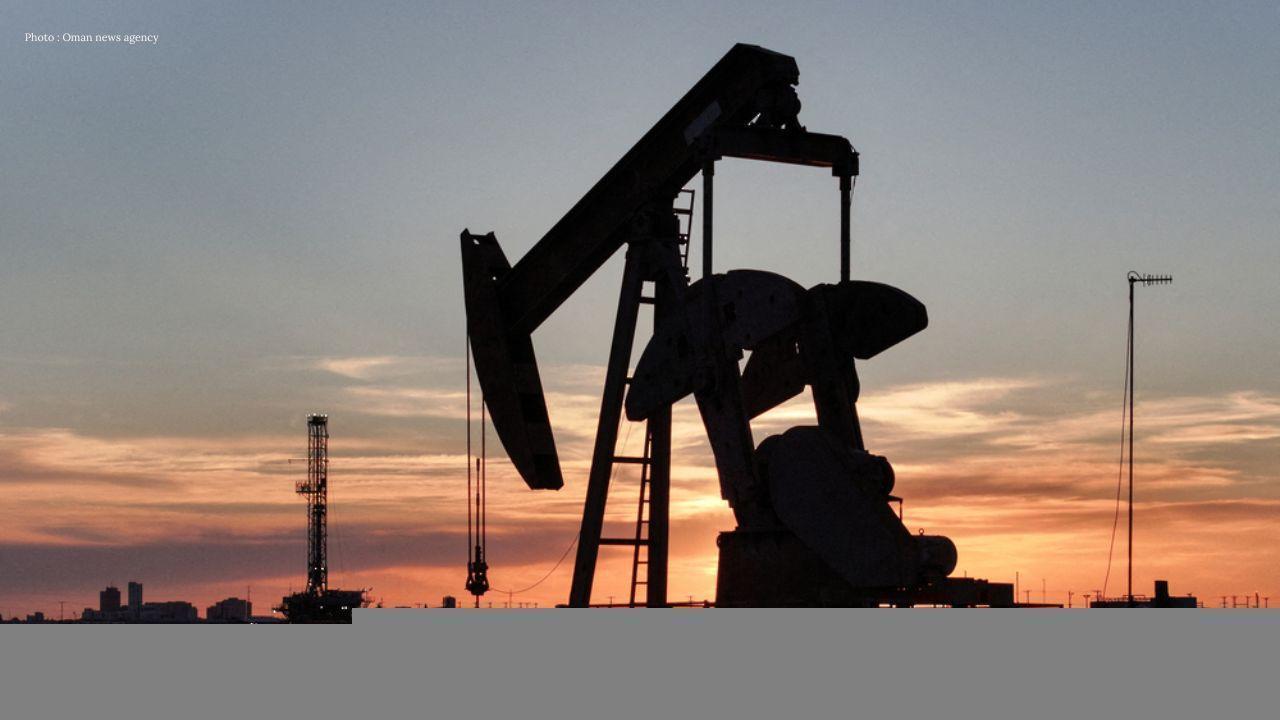
Oil prices increased sharply on Wednesday after renewed tensions between the United States and Iran raised concerns that a fragile ceasefire could collapse and create fresh uncertainty in global energy markets.
The international oil benchmark, Brent crude, gained more than 3 percent, recovering from a recent decline that had pushed prices back to levels seen before the conflict began.
Brent futures for September delivery reached $76.48 per barrel by 06:30 GMT on Wednesday, marking the highest level since June 23.
US Strikes on Iran Increase Market Concerns
The latest rise in oil prices followed US military strikes on Iran and Washington’s decision to cancel a temporary waiver that allowed certain Iranian oil transactions.
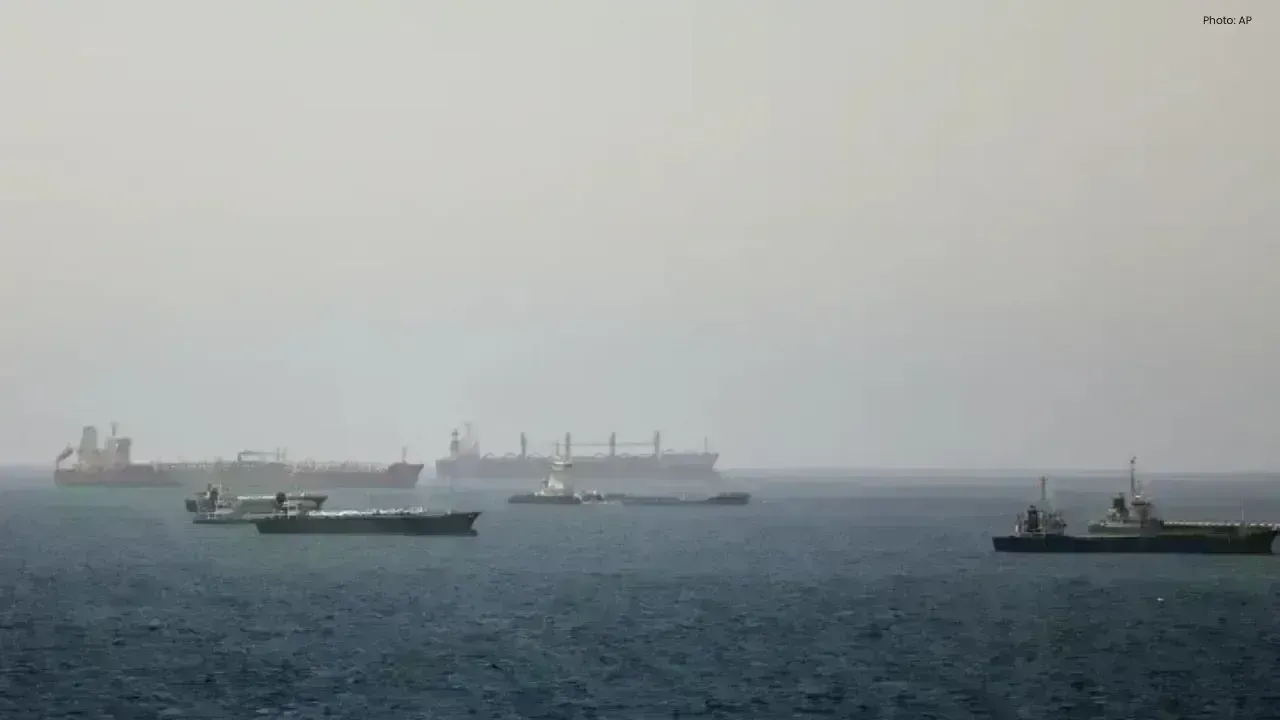
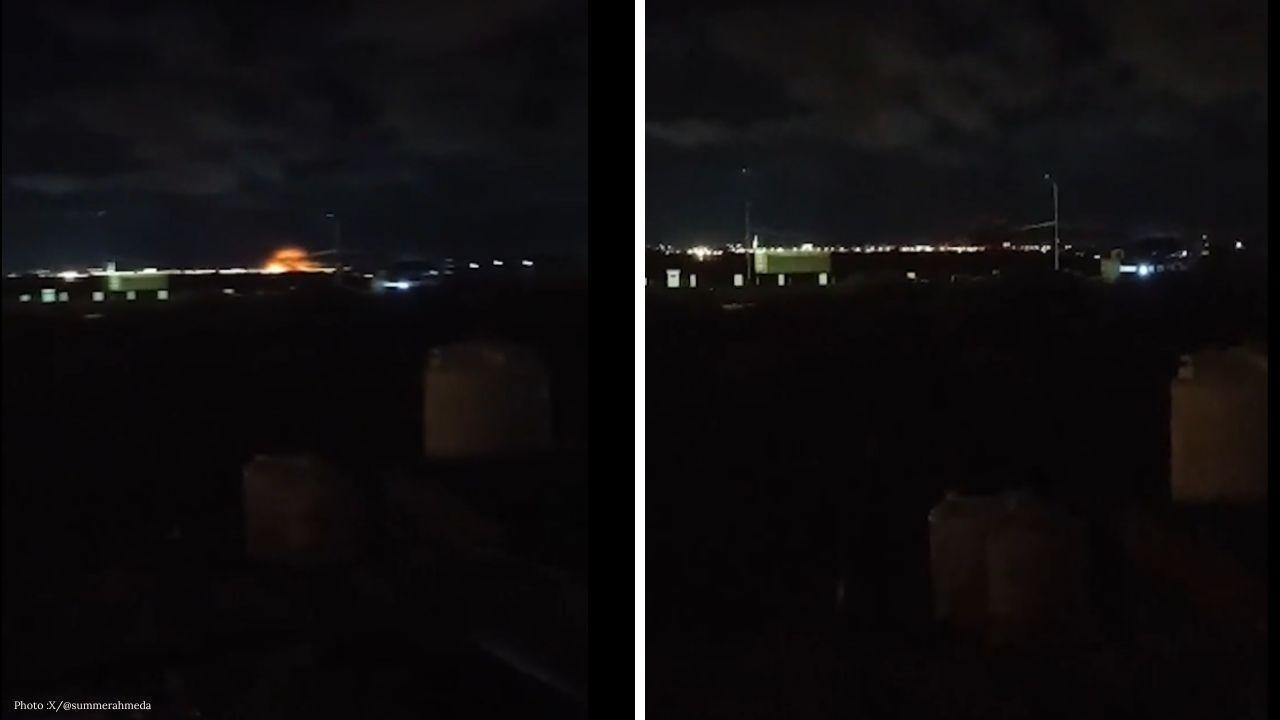
The actions came after attacks on three commercial vessels in the Strait of Hormuz, a key shipping route for global energy supplies.
US, Qatari, and Saudi officials blamed Iran for the vessel attacks. However, Tehran has not directly accepted responsibility.
The US Central Command said it launched “a series of powerful strikes against Iran” to respond to attacks on commercial shipping and to impose costs for targeting civilian crews in international waters.
Iran Warns of Response Over Sanctions Decision
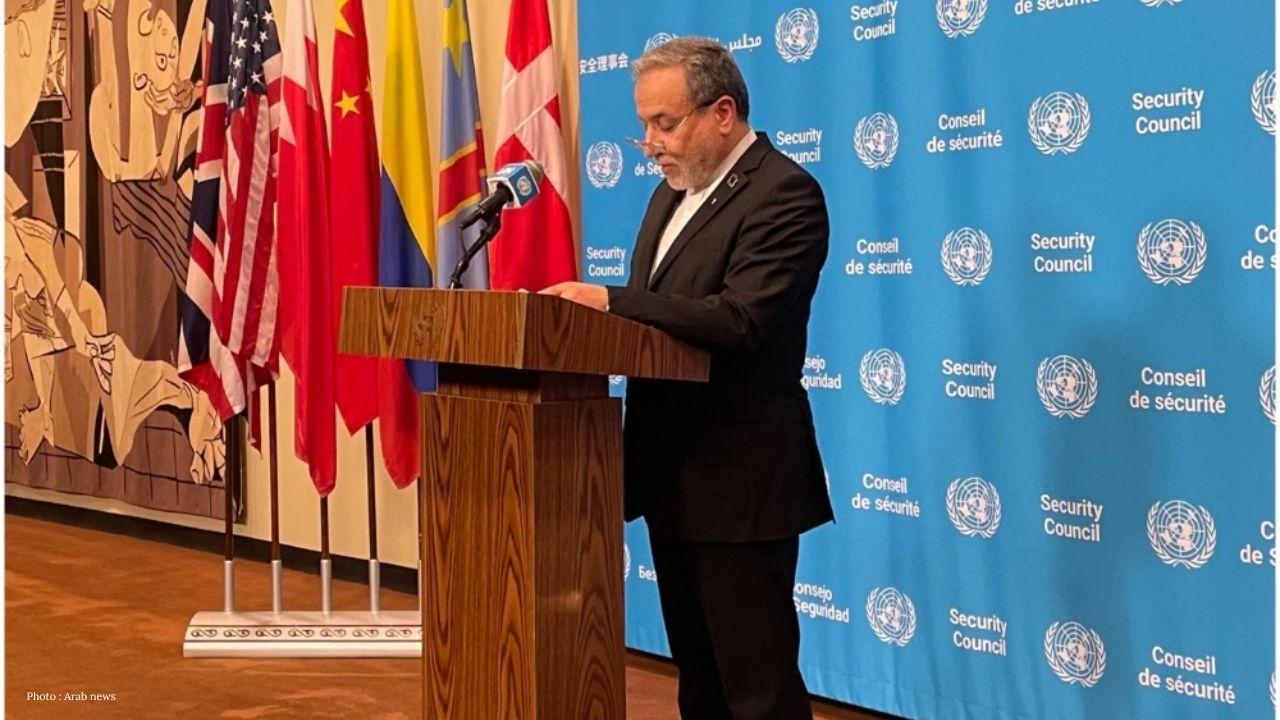
Iranian Deputy Foreign Minister Kazem Gharibabadi said Tehran would take “decisive actions” to protect its interests and security following the US decision to remove the oil sanctions waiver.
He described the move as a “blatant violation” of the memorandum of understanding signed between Washington and Tehran on June 17.
Market analyst Tony Sycamore from IG Australia said the agreement had unclear language regarding control of the Strait of Hormuz and the management of shipping traffic.
He said disagreements between the US and Iran over whether the waterway is an international route or partly under Iranian territorial control remained unresolved.
Oil Markets Remain Under Pressure
Sycamore said it was unclear whether the latest US strikes would quickly reduce tensions or whether Iran would continue using its influence over the Strait of Hormuz without triggering a wider conflict.
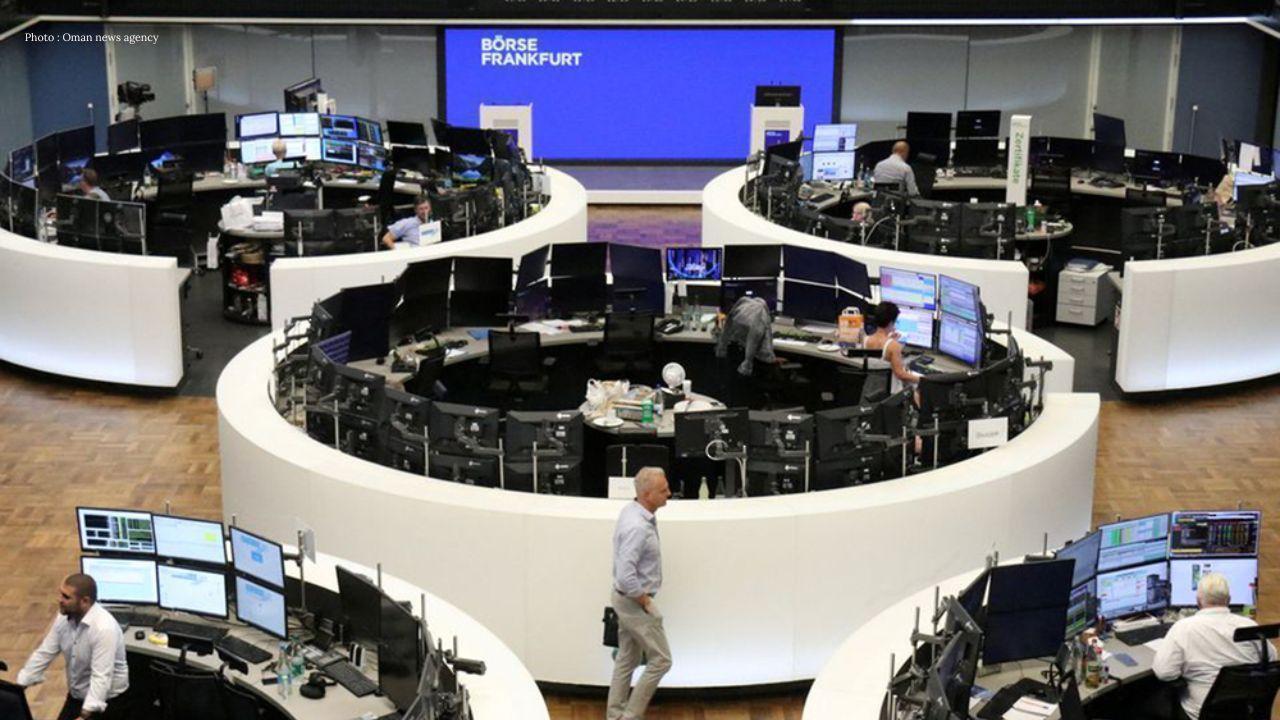
He added that the situation would likely keep energy markets cautious and indicated that crude oil prices had found support for now.
US Ends Temporary Iranian Oil Sanctions Waiver
The US Treasury Department also announced the cancellation of a 60-day waiver on Iranian oil sanctions.
The waiver, which was issued last month during wider negotiations with Tehran, had allowed Iranian oil sales until August 21.
According to the Treasury Department, oil-related transactions will no longer be permitted after 12:01am EDT on July 17 (04:01 GMT).
The decision also removes approval for new transactions, including oil purchases and loading activities after Tuesday.
Strait of Hormuz Tensions Keep Energy Markets Alert
Saul Kavonic, head of energy research at MST Financial, said oil prices could remain high as security risks continue in the Strait of Hormuz and emergency oil stockpile releases begin to reduce.
He said Iran intends to strengthen its control over the waterway in the coming weeks, a situation that has raised concerns among the US, Gulf countries, and global energy buyers.
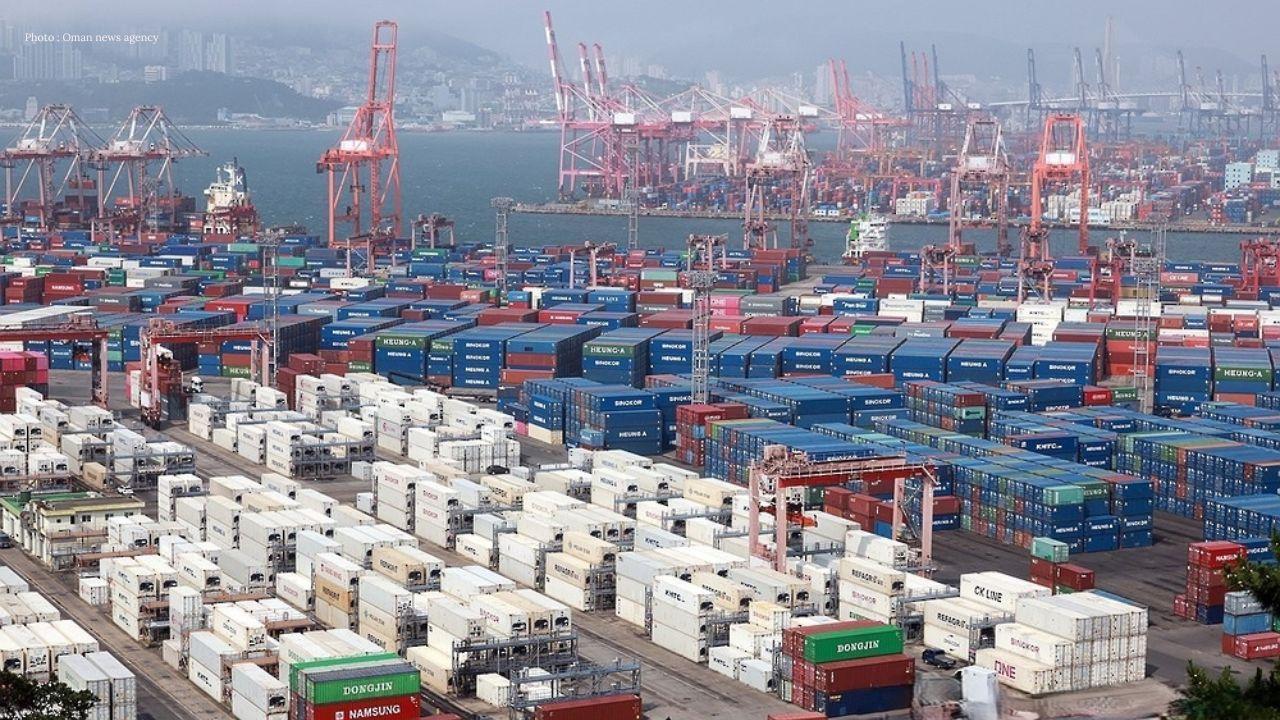
Kavonic said continued disruptions could reduce shipping activity through the Strait and increase the possibility of further tensions.


 English