Post by : Shweta
The United States confirmed the interception of Iranian strikes in the Gulf, coinciding with continuing Israeli military actions in Lebanon, which adds pressure to an already fragile situation in the Middle East. These developments have stirred fears of a broader conflict and jeopardized diplomatic efforts aimed at de-escalation.
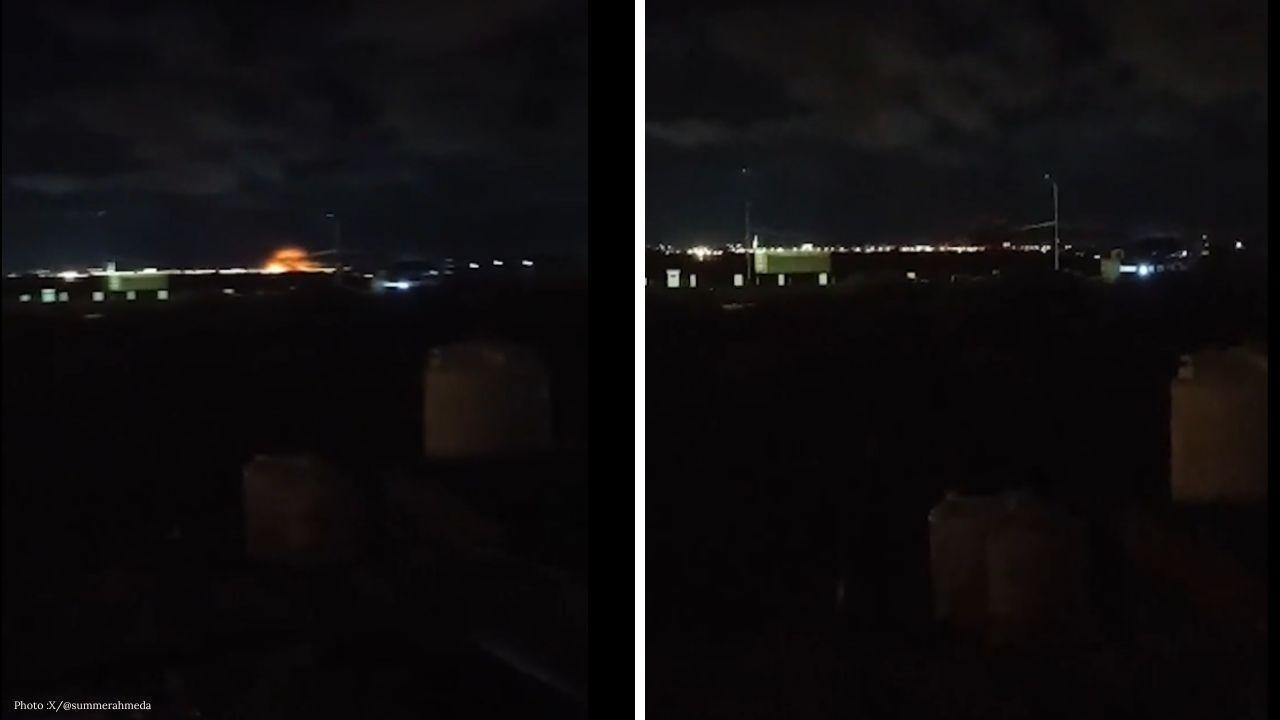
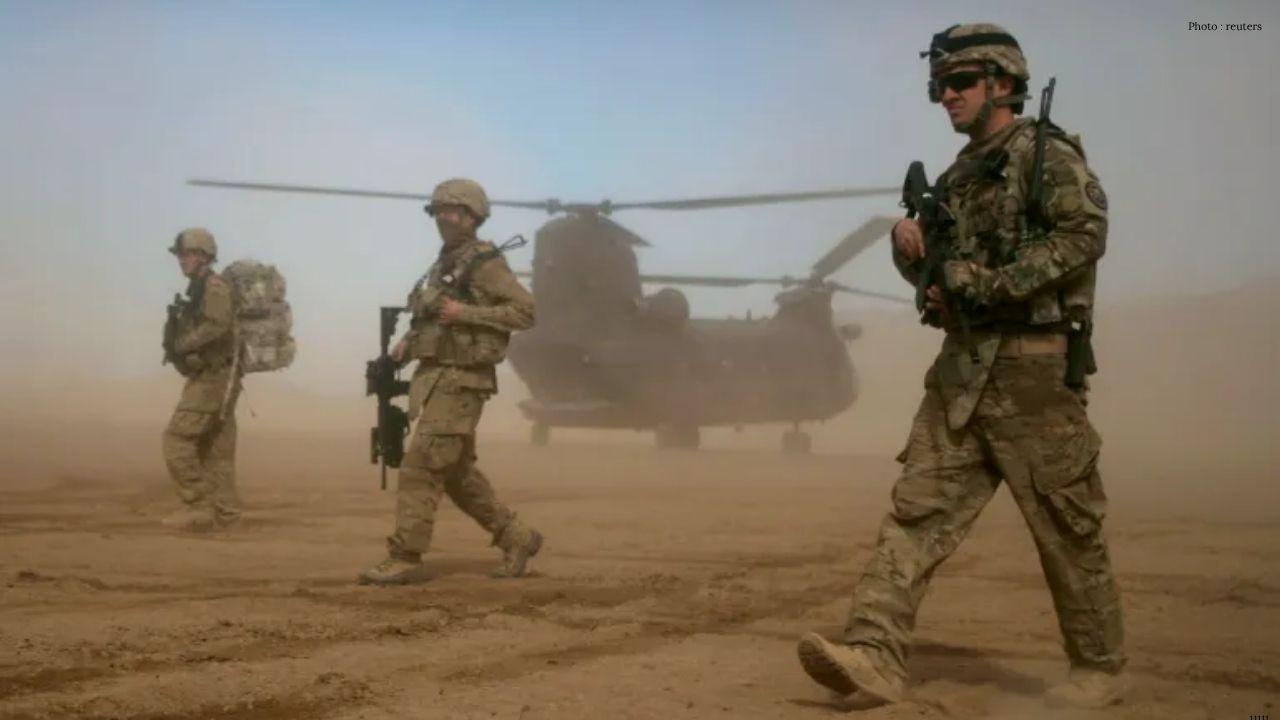
U.S. military sources reported that several Iranian drones and missiles headed towards key Gulf targets were successfully intercepted. U.S. Central Command detailed that defensive actions were taken to thwart the assaults. This incident marks a significant escalation in the long-standing tensions between the U.S. and Iran.
Following the thwarted attacks, American forces allegedly targeted Iranian radar facilities along the coast, with U.S. officials clarifying that the strikes were aimed at ensuring maritime security and safeguarding military assets in the area. Conversely, Iran characterized its missile activities as a direct response to prior U.S. military operations, cautioning against further provocation.
This military exchange arrives during a period when diplomatic efforts are striving to uphold a fragile ceasefire and stave off a more extensive conflict. However, continuous military actions and accusations from both sides have heightened uncertainty, complicating efforts to stabilize the region.
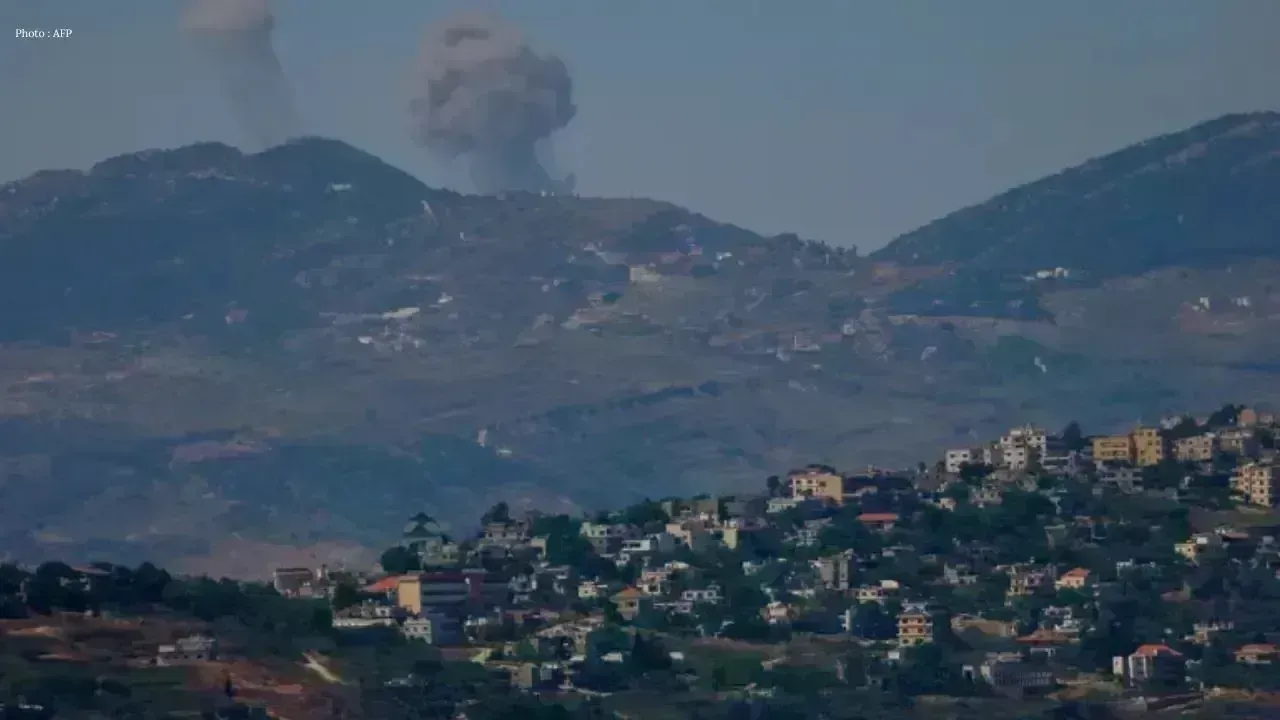
Israel has persisted with its military operations in Lebanon, continuing to target Hezbollah strongholds despite international appeals for restraint and attempts to broker a ceasefire. Israeli officials assert these operations are necessary to mitigate security risks from Hezbollah, supported by Iran.
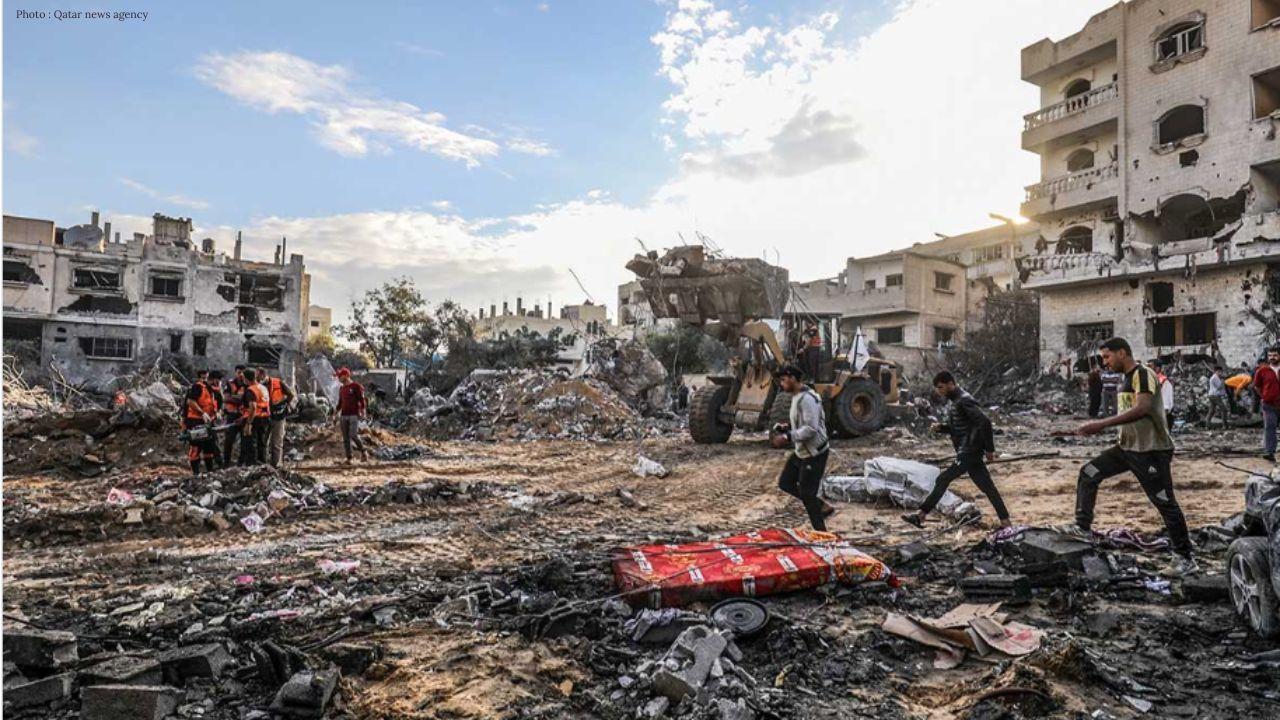
The persistent conflict in Lebanon has resulted in escalating humanitarian concerns, with accounts indicating numerous civilian displacements due to the conflict. Aid organizations remain vigilant, striving to assist those affected while international agencies call for all parties to prioritize civilian safety and engage in initiatives aimed at reducing violence.
Nearby governments and global powers are intently observing developments, warning that further hostilities could imperil the broader Middle East's stability. Nations in the region have appealed for dialogue, urging restraint from both sides to prevent triggering a larger multi-national conflict.
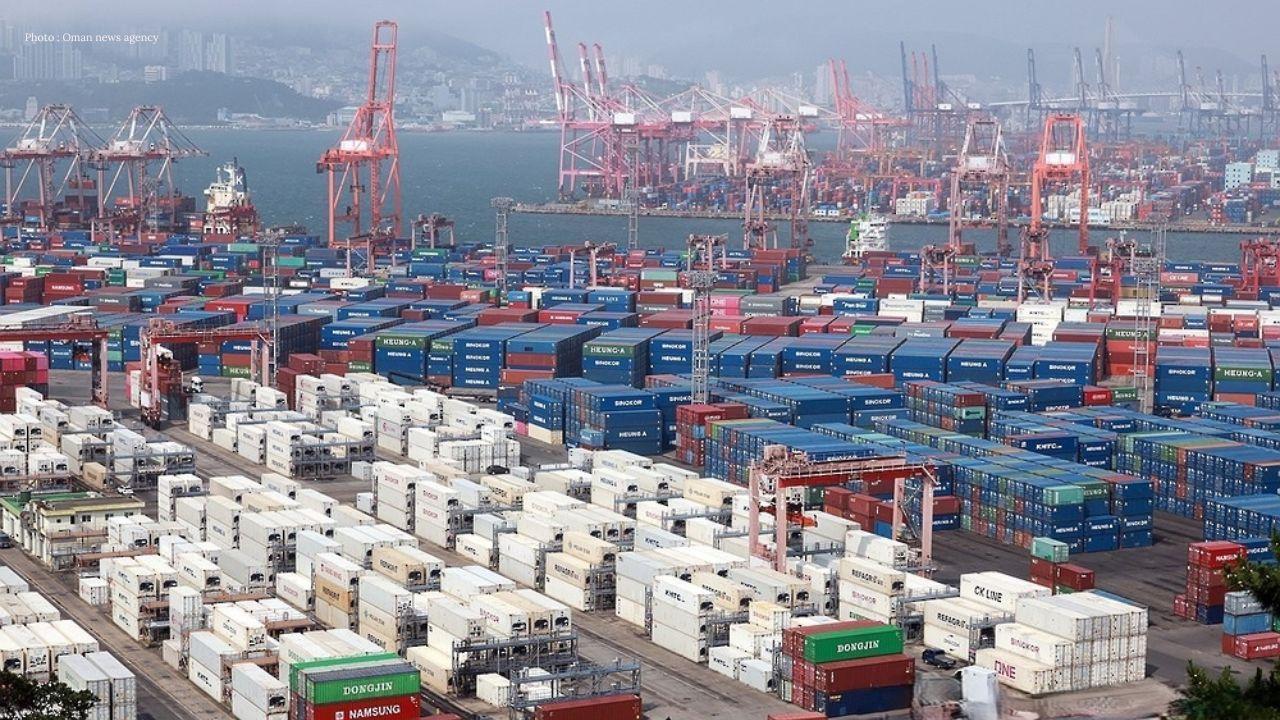
The Strait of Hormuz continues to be a focal point of concern for global markets and energy supply chains, as it accommodates a significant portion of the world’s oil traffic, making military engagement in the area a critical issue on the international stage. Analysts have cautioned that any disruption to these shipping routes could influence energy prices and international trade.
Security analysts indicate that the current situation, impacted by tensions among the U.S., Iran, Israel, and Hezbollah, presents one of the region's most challenging scenarios in recent years. They warn that ongoing military confrontations elevate the risk of miscalculations and complicate potential diplomatic resolutions.
International organizations and various states continue to urge restraint and the reinvigoration of negotiations. Efforts aimed at preventing an expansive conflict persist, although the latest events underscore the complexities surrounding the pursuit of lasting peace.
Experts believe that maintaining open channels of communication among involved parties will be vital going forward. Any additional military engagements could further diminish existing diplomatic attempts and exacerbate instability throughout the region.
As hostilities persist, governments and international bodies are projected to closely monitor the evolving circumstances. The situation is expected to remain a crucial aspect of focus for policymakers, security experts, and global markets.
These recent incidents highlight the precarious security landscape in the Middle East and the necessity for diplomatic actions to avert further escalation. The upcoming days could be pivotal in deciding whether the region shifts towards renewed negotiations or descends into deeper turmoil.
Stay tuned for major updates and developments to come.


 English