Post by : Saif
Al-Najjar
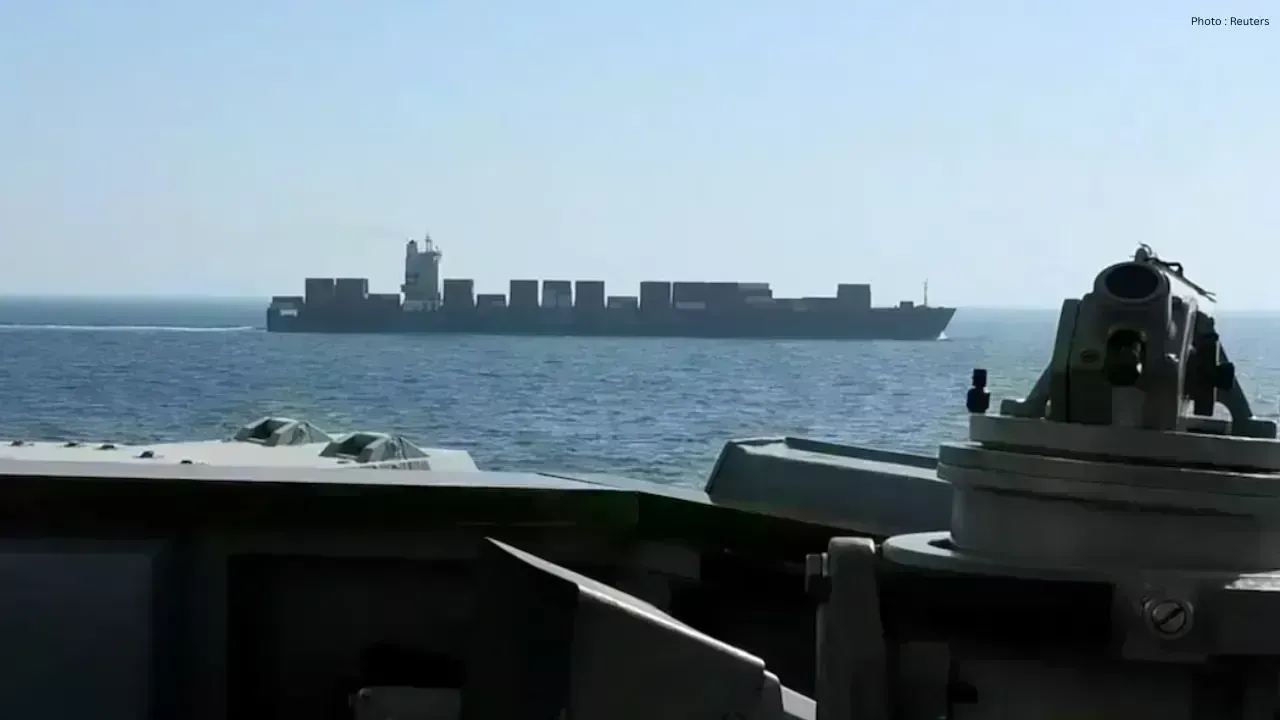
Tensions are escalating in the Middle East following the United States' seizure of an Iranian cargo ship. This provocative move has heightened worries about the stability of a fragile ceasefire and has led to fears of escalated conflict in the area. Any optimism for peace appears to be waning as both parties react vehemently to the situation.
The incident occurred near the Strait of Hormuz, a crucial shipping passage for global oil supplies. The U.S. claimed the action was necessary to uphold sanctions and deter illegal operations associated with Iran. In contrast, Iran labeled the seizure as unlawful, asserting its aggressive nature.
Consequently, the ceasefire is now under significant strain. Prior to this development, there were indications of a continued dialogue aimed at preventing further escalation. That hope now seems precarious, as Iran has hinted at withdrawing from negotiations, while the U.S. remains committed to discussions but firmly resolute.
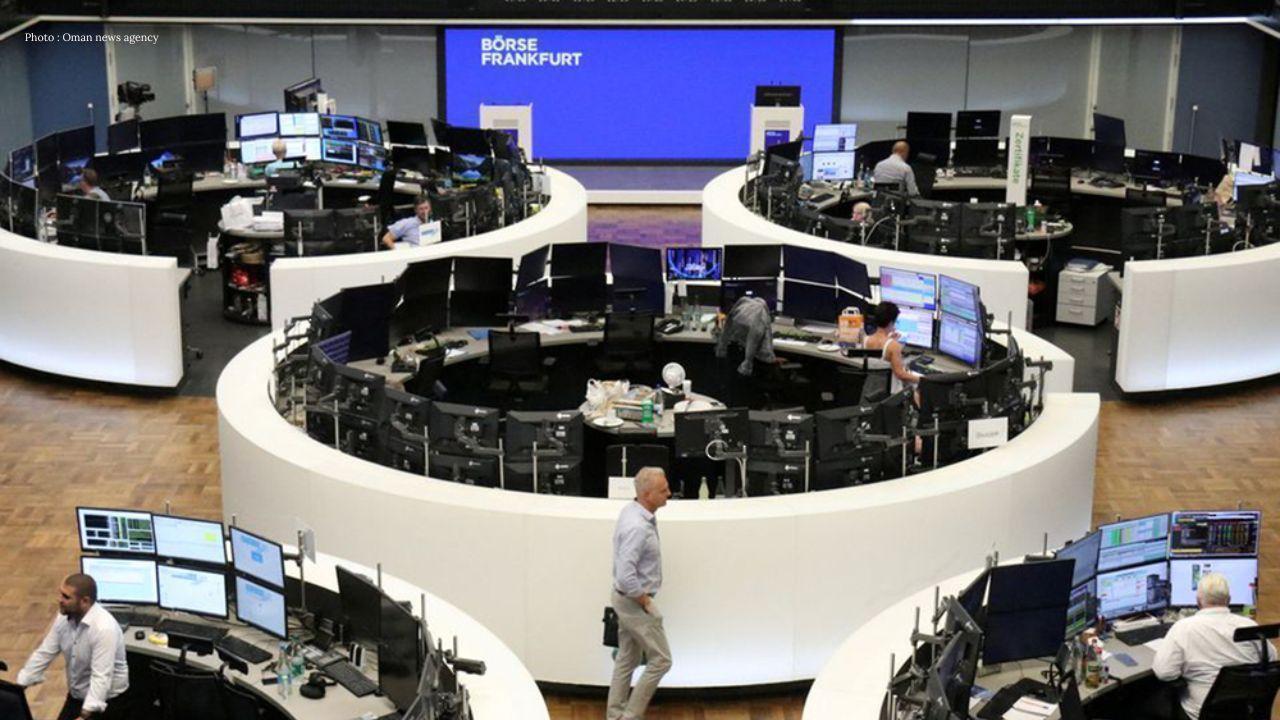
The strategic significance of the Strait of Hormuz cannot be underestimated, as any disruptions here could elevate oil prices worldwide. Even minor conflicts in this area can lead to widespread economic repercussions, especially for nations reliant on oil imports. Recent market reactions indicate how swiftly tensions can influence the global economy.
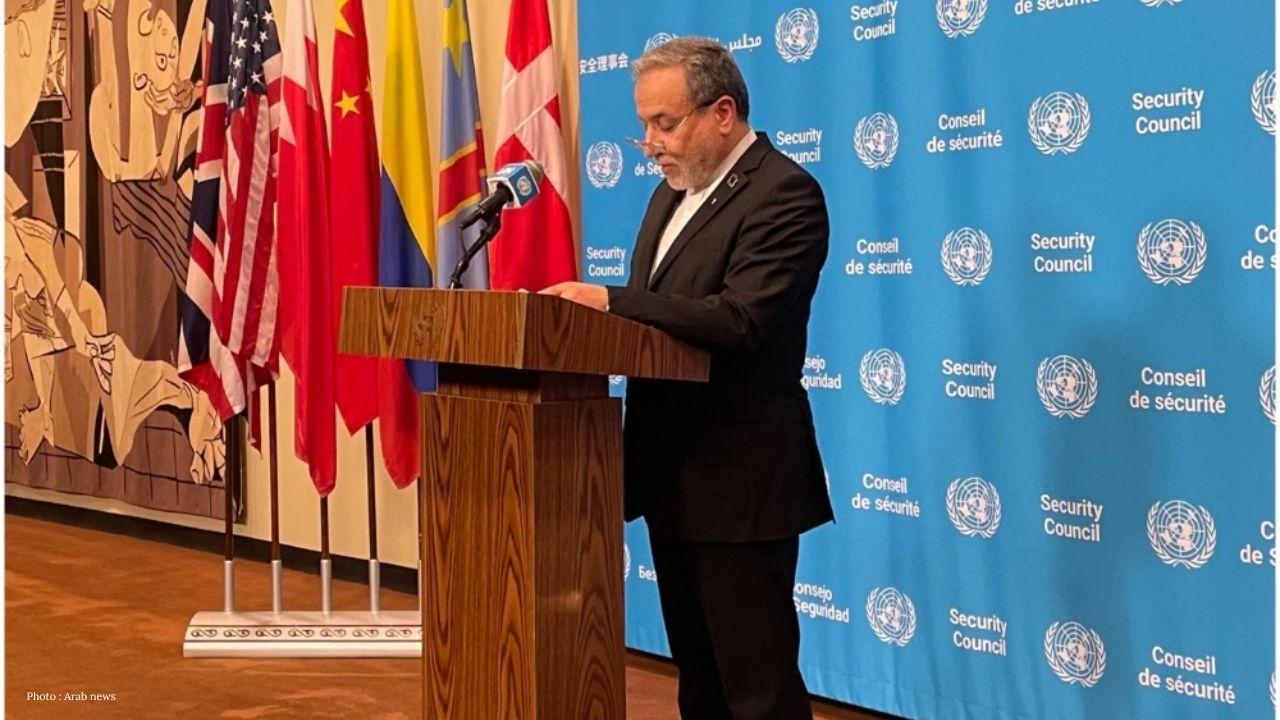
Both nations have exchanged stern rhetoric. Iran has threatened retaliation if its interests are jeopardized, whereas U.S. representatives have indicated a willingness to maintain stringent measures as required. These statements only add to the prevailing uncertainty and complicate peace initiatives further. Experts warn that unchecked reactions could lead to an escalating conflict.
The international community is monitoring these developments closely, with many countries expressing concern over a potential breakdown in the ceasefire. There is a real risk that conflict could extend beyond current borders, involving various nations and groups. Such escalation would not only exacerbate violence but also present critical challenges to global economic stability and security.
At this pivotal juncture, fostering calm and engaging in dialogue is more crucial than ever. Constructive negotiation remains the most effective means to address conflicts and avert further violence. Without open communication, even a singular incident could spiral into a much larger catastrophe.
The seizure of the Iranian cargo ship has undoubtedly shifted the trajectory of the situation. What once seemed to be a pathway toward peace now faces many uncertainties. The days ahead will be vital in determining whether tensions can de-escalate or if they will lead towards a more profound conflict.


 English