Post by : Saif
Al-Najjar
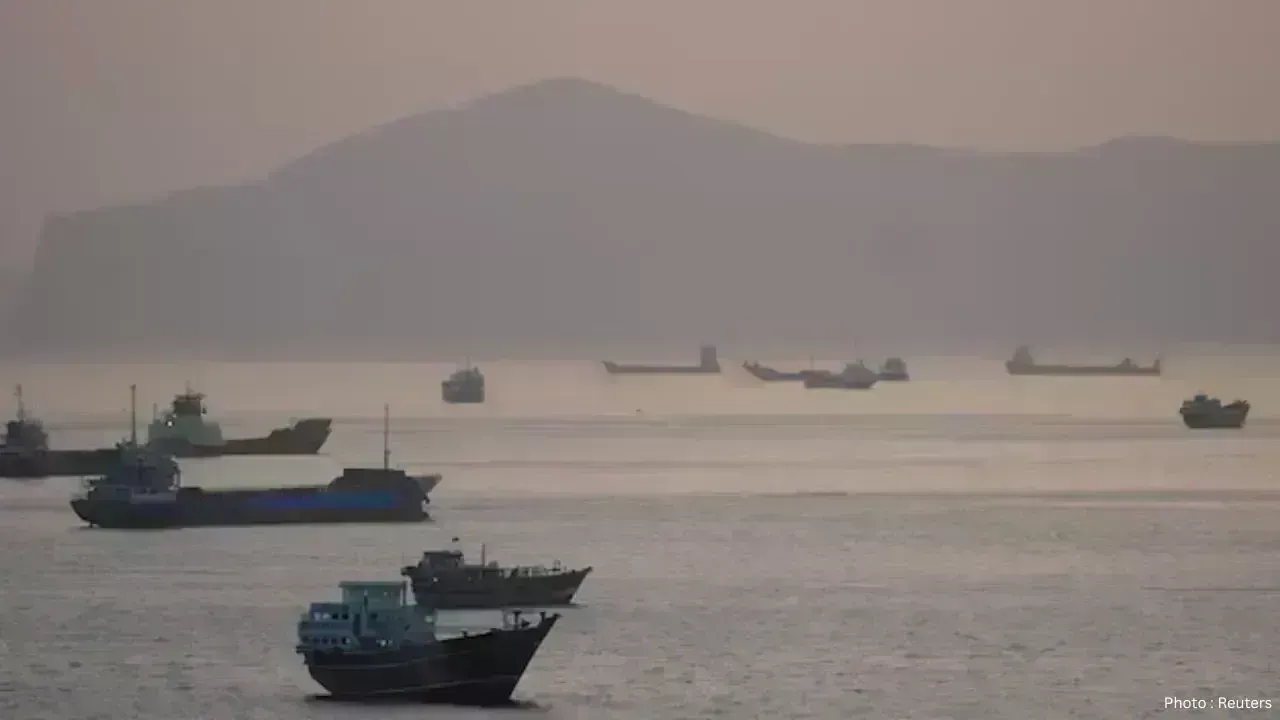
A growing rift between the United Arab Emirates and Iran has sparked renewed worries regarding peace initiatives in the strategically vital Strait of Hormuz. Recent comments from UAE officials indicate that discussions aimed at alleviating tensions have reached an alarming stalemate.
The Strait of Hormuz is critical for global shipping, with a significant share of the world’s oil traffic traversing this narrow passage, underscoring its significance for international trade and energy stability. Instability in this area can have repercussions beyond its immediate vicinity, affecting the global economy.
The UAE has raised doubts concerning Iran's dedication to peace in the region, asserting that its intentions are difficult to trust amid continuing high tensions and limited progress in negotiations. This erosion of trust hampers mutual advancement.
Peace negotiations have been underway for an extended period, as nations strive to secure safe passage and mitigate potential conflicts. However, these endeavors necessitate both cooperation and mutual respect, which are currently lacking.
The situation is further complicated by broader regional dynamics, including security concerns, political influence, and economic motivations that shape the intricate relations between the UAE and Iran. Such complexities make negotiations increasingly difficult.
The impasse underscores the essential role of trust in diplomatic relations. Without it, well-designed talks may falter. This is particularly relevant in sensitive locales like the Strait of Hormuz, where minor disagreements can lead to significant fallout.
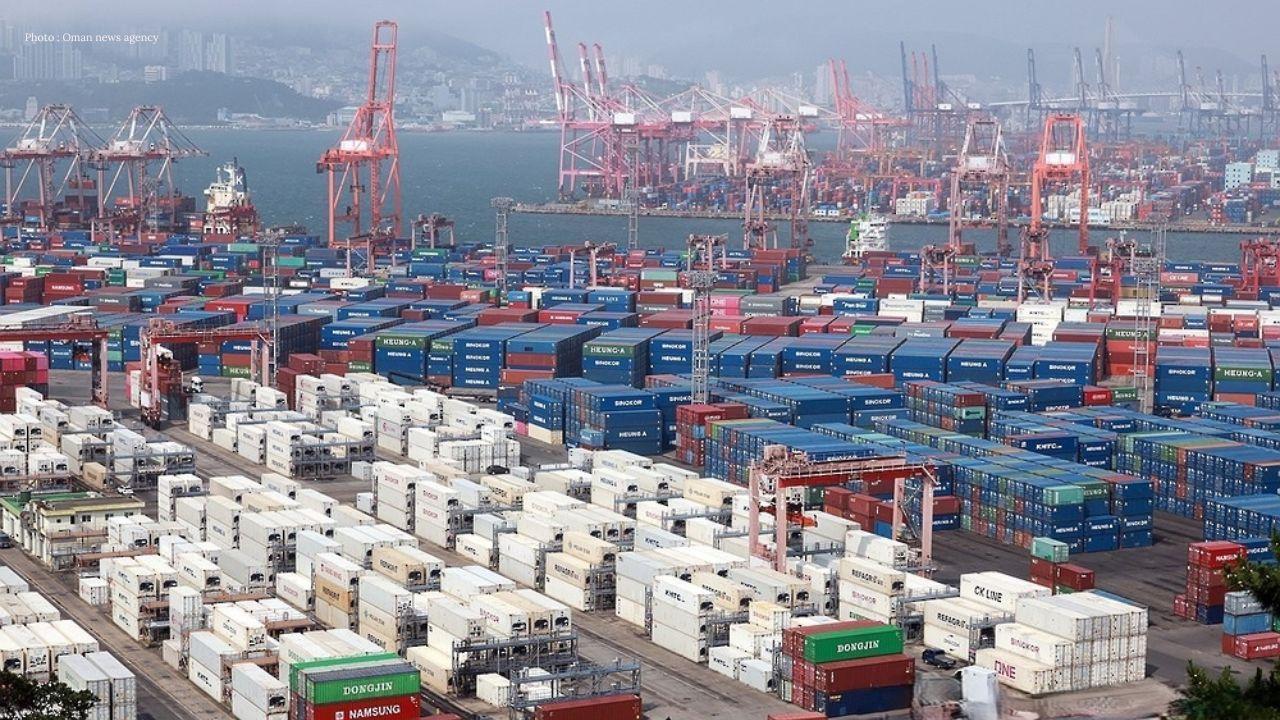
The global ramifications of this issue are considerable, as oil prices and shipping operations are tightly linked to regional stability. Disruptions can raise costs and inject uncertainty into international markets.
For nations reliant on oil imports, the security of this strait remains vital, resulting in close scrutiny from various governments regarding developments in the region, alongside ongoing support for peace initiatives.
The UAE’s assertive stance signals increasing frustration with the standstill and indicates that regional players may adopt a more resolute approach if progress remains stagnant.
Moreover, the delicate situation demands careful navigation, as rising tensions can lead to miscommunications and escalate conflict risks. Diplomacy remains the key method for addressing these issues.
International collaboration may assist in overcoming the stalemate, with external mediation potentially encouraging both parties to reengage in dialogue.
The current predicament is a reminder of the fragility of peace in regions characterized by intricate political landscapes, where even minor conflicts can hinder advancement and raise broader anxieties.
With talks at a standstill, focus will now turn to whether both parties are prepared to renew discussions and restore trust. The implications of this development extend not only to the region but also to global trade and energy security.
The forthcoming weeks will be pivotal in shaping the future of these peace initiatives. Presently, the evident lack of consensus showcases that addressing entrenched tensions demands patience, collaboration, and a commitment to finding shared solutions.


 English