Post by : Bianca
Haleem
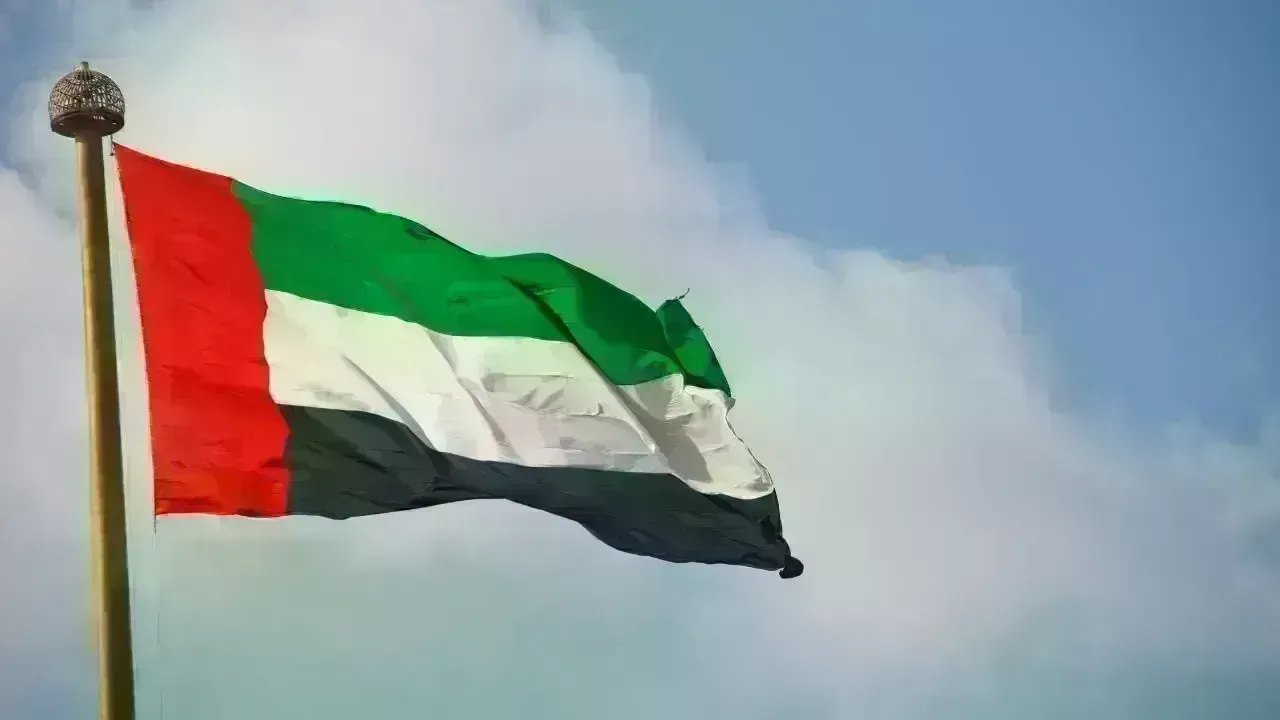
The unexpected visit of UAE President Sheikh Mohammed bin Zayed Al Nahyan to India has stirred new dynamics in South Asian geopolitics and resulted in an indirect setback for Pakistan.
Shortly after Sheikh Mohammed's brief stay in New Delhi, the UAE made the decision to withdraw from its agreement to operate Islamabad International Airport. This contract had been under consideration since August 2025, but the UAE lost interest due to difficulties in securing a local operating partner.
A report from a Pakistani media outlet confirmed this development, albeit without directly linking it to political motivations. Nonetheless, the timing is notable, as relations between the UAE and Saudi Arabia are showing signs of strain—both Gulf nations are backing opposing factions in Yemen and diverging in their geopolitical strategies.
Pakistan has recently finalized a defense agreement with Saudi Arabia and aims to establish an “Islamic NATO” coalition alongside Saudi Arabia and Turkey. Conversely, the UAE is enhancing its defense and strategic partnership with India, suggesting a substantial shift in regional alignments.
For many years, the UAE was among Pakistan's key trading allies and a significant source of remittances. A large number of Pakistanis are employed in the UAE, and both nations have collaborated in defense and energy sectors. However, their relations have deteriorated due to governance hurdles, security issues, and political meddling, alongside declines in Pakistan's state-run enterprises, including the privatization of Pakistan International Airlines (PIA).
Despite the UAE’s international proficiency in managing airports, even in conflict areas like Afghanistan, its choice to withdraw from Islamabad Airport reflects diminished faith in Pakistan’s infrastructure and governance capabilities.
In stark contrast, the relationship between India and the UAE is thriving. Following the recent official visit, the UAE granted clemency to 900 Indian prisoners as a gesture of goodwill. Prime Minister Narendra Modi and President Mohamed bin Zayed have agreed to enhance their Comprehensive Strategic Partnership into a deeper and more multifaceted alliance.
A significant outcome of this visit was a commitment to forge a full Strategic Defence Partnership, accompanied by a Letter of Intent to establish a Defense Cooperation Framework, marking a notable geopolitical transformation in the region.


 English