Post by : Saif
Al-Najjar
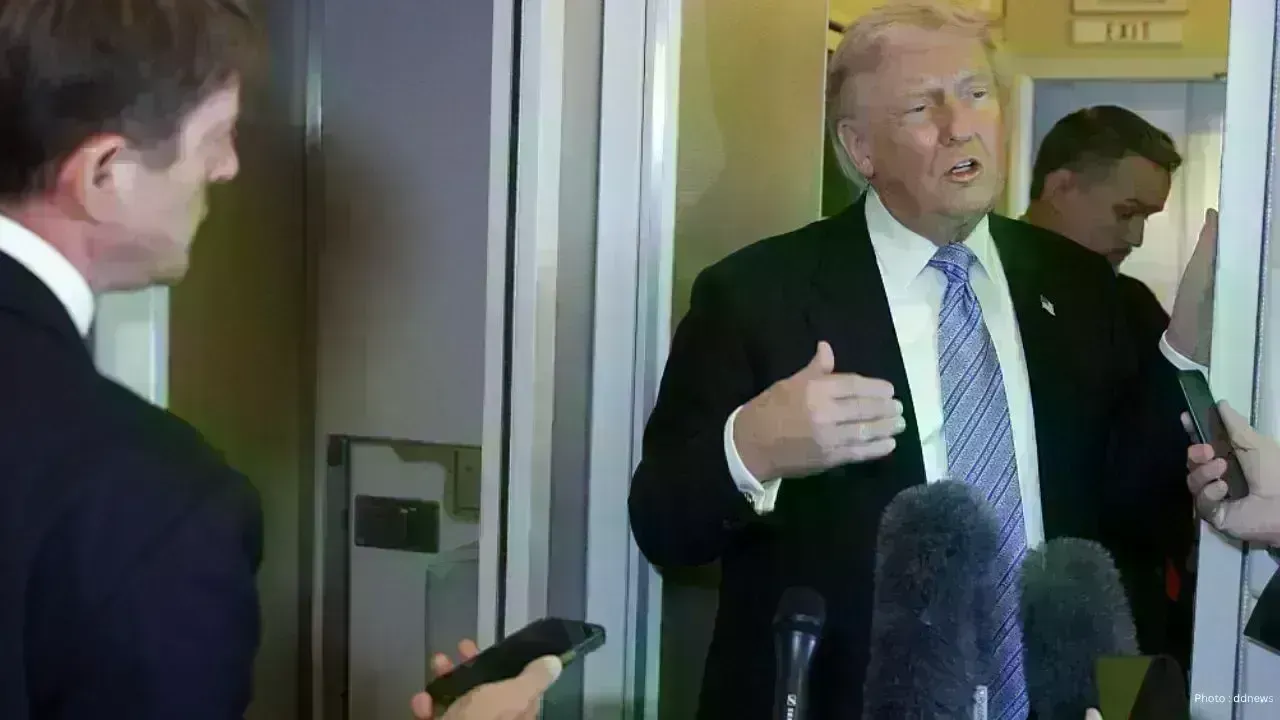
In a clear message, U.S. President Donald Trump has indicated that his patience with Iran is “running out” given the rising tensions between Washington and Tehran. His remarks emerge as discussions surrounding Iran’s nuclear program appear increasingly strained, raising alarms about stability in the Middle East.
Trump emphasized that the United States is closely monitoring Iran’s activities and is seeking a more rapid resolution in talks. He clarified that he did not seek assistance or favors from China regarding Iran, affirming America's intention to manage the issue independently. These statements followed a dialogue with Chinese President Xi Jinping focusing on security and the escalating tensions in the Gulf region.
The fraught history between the United States and Iran has been characterized by ongoing disputes over nuclear ambitions, military presence, and geopolitical alignments that have often pushed both nations to the brink of conflict. Although multiple discussions have occurred, significant discrepancies persist.
U.S. officials are urging Iran to curtail its nuclear agenda and provide groundbreaking assurances against nuclear weapon development. Conversely, Iran maintains that its nuclear endeavors are for peaceful purposes and dismisses any external pressure or threats. Iranian leaders insist on lifting economic sanctions that have long impeded the nation’s economy.
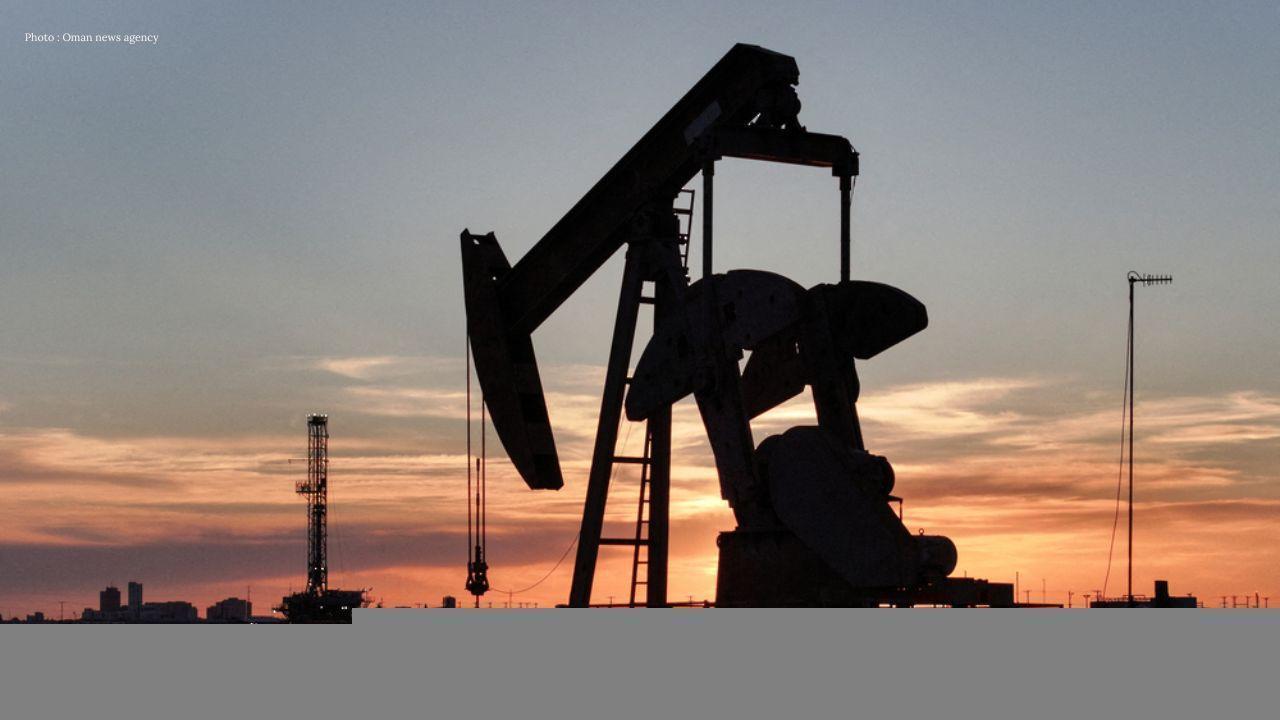
Particularly concerning is the heightened tension surrounding the Strait of Hormuz, a pivotal artery for global oil transportation. Military strife in this area could disrupt oil supplies and escalate fuel prices globally, prompting close scrutiny from various nations.
Trump’s stern warning has amplified worries that the United States might adopt a more aggressive posture should negotiations stall. Analysts speculate that the harsh rhetoric from both sides could complicate diplomatic efforts further. There are also apprehensions that any significant error or military engagement could precipitate broader instability across the Middle East.
This ongoing crisis is already impacting global markets and regional security. The combination of escalating oil prices, safety concerns, and political volatility is exerting stress on governments and enterprises worldwide. Many civilians in the Middle East dread that another conflict could trigger further devastation, economic turmoil, and displacement.
Despite the tensions, diplomatic discussions have not entirely ceased. Numerous global leaders continue to be hopeful that negotiations can advance to avert a major crisis. However, the lack of trust between Washington and Tehran complicates any potential agreement.
The next few weeks will be crucial for the region's prospects. Should discussions progress, there may be a gradual easing of tensions. Conversely, if diplomatic efforts fail, the Middle East could potentially enter another perilous period of unrest and conflict.


 English