Post by : Shweta
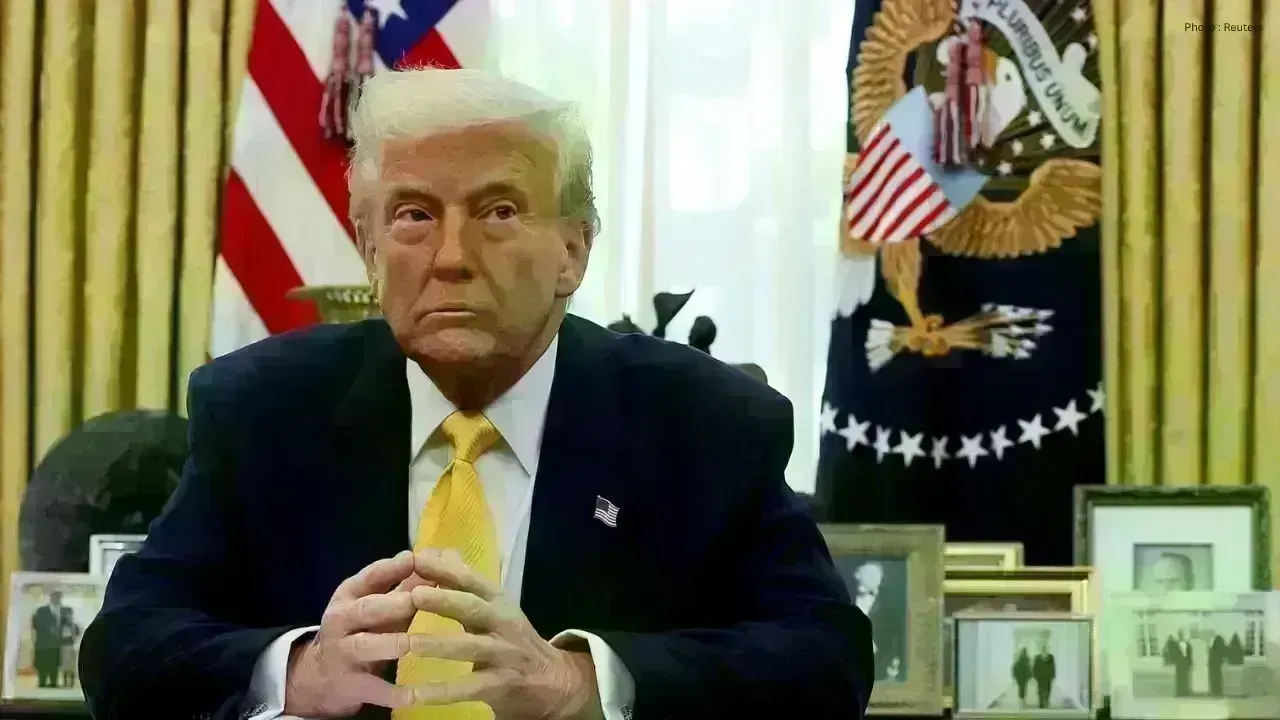
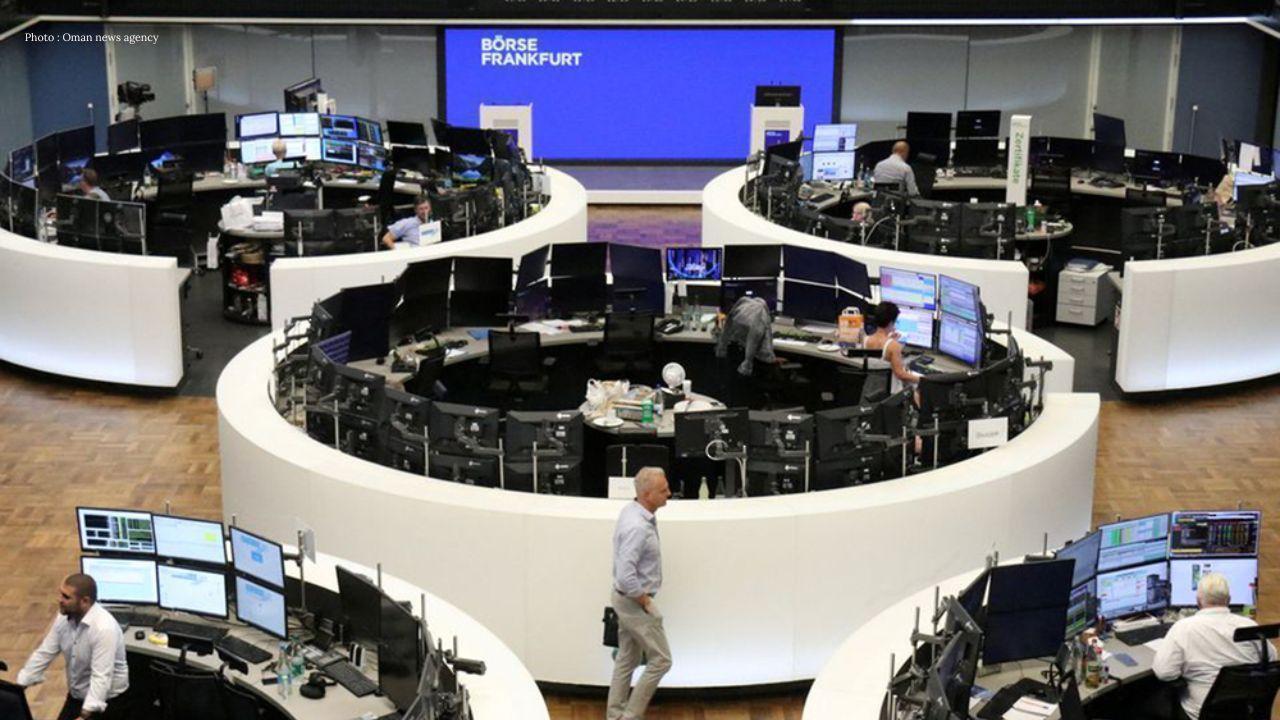
Oil markets experienced volatility on Monday following a stern warning from Donald Trump to Iran, demanding the free passage of ships through the vital Strait of Hormuz, or possible military response would follow. This escalates tensions in the area, leading to increasing worries regarding global energy availability.
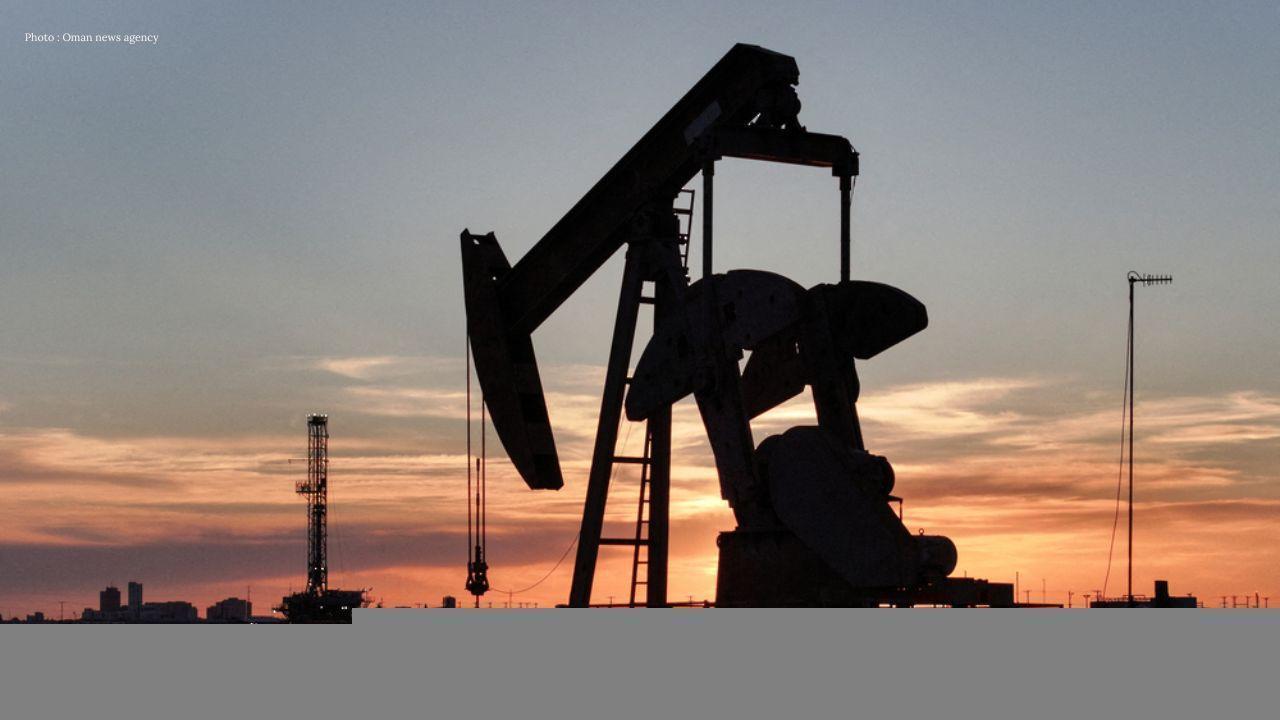
Initially, oil prices surged significantly in early Asian trading, with Brent crude surpassing $110 per barrel before experiencing a pullback later in the session. Such fluctuations stem from emerging reports of potential talks between the US and Iran aimed at negotiating a temporary ceasefire. Analysts believe this reflects the elevated risks and the critical nature of stable oil transport channels.
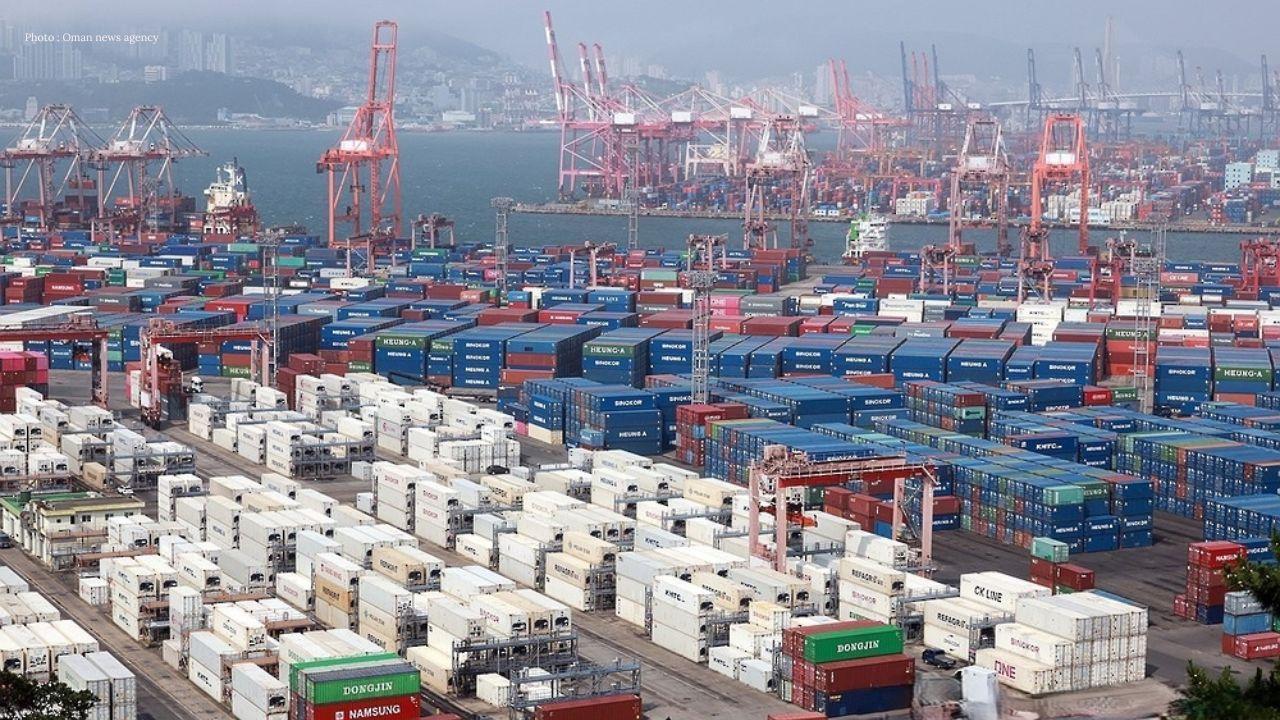
The Strait of Hormuz is essential for oil and gas transport, accounting for nearly 20% of worldwide energy shipments. Disruptions here can cause swift impacts on global oil prices and inflationary pressures in numerous countries. Recent Iranian threats towards ships in the area have already resulted in shipment delays from the Middle East.
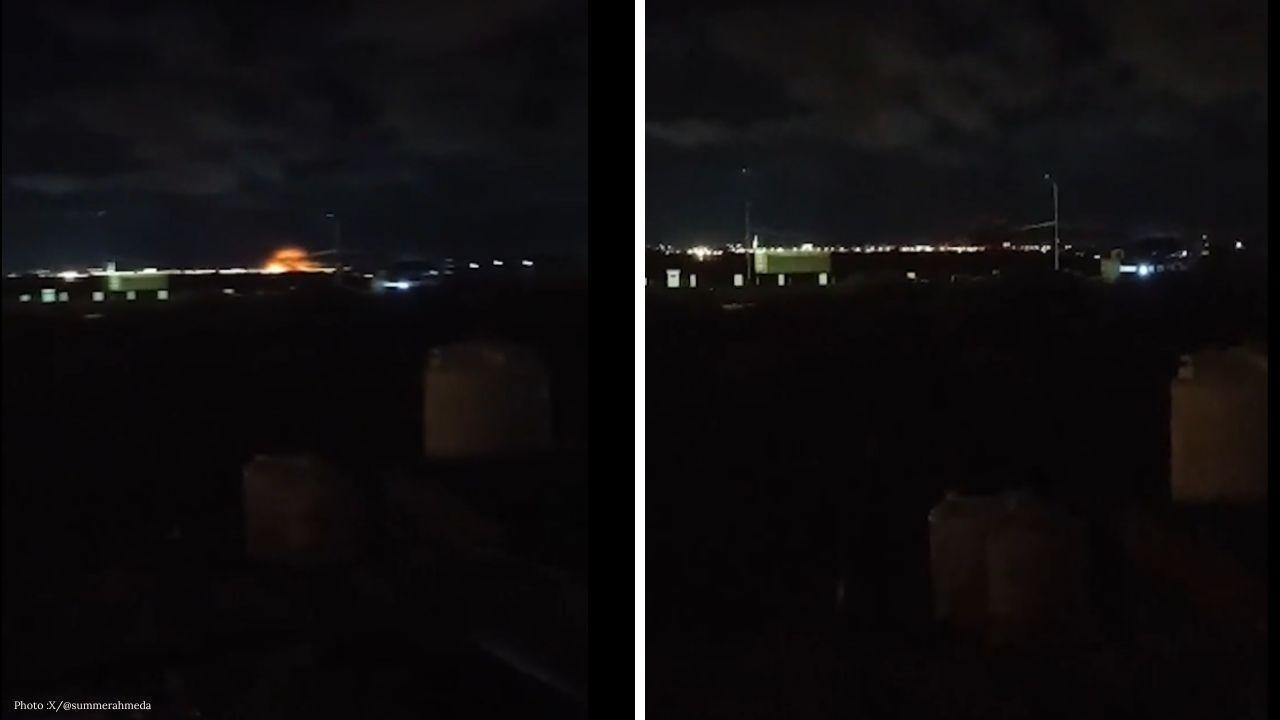
These rising tensions follow weeks of conflict marked by US and Israeli military strikes targeting Iranian facilities since late February. In retaliation, Iran has targeted oil and petrochemical installations in nearby Gulf nations such as Kuwait, Bahrain, and the UAE. These actions have heightened fears of a broader regional crisis that could influence global economic conditions.
In a further twist, reports indicate that the US and Iranian parties, along with regional intermediaries, could be considering a 45-day ceasefire deal. While such discussions haven’t been formally confirmed, a successful negotiation could help curb tensions and restore some stability to oil prices. US officials have yet to respond to these discussions.
Meanwhile, OPEC+ has announced a modest increase in oil output for May, set to rise by about 206,000 barrels daily. However, analysts suggest this might have minimal effect due to ongoing conflicts that hinder several member nations’ production capabilities.
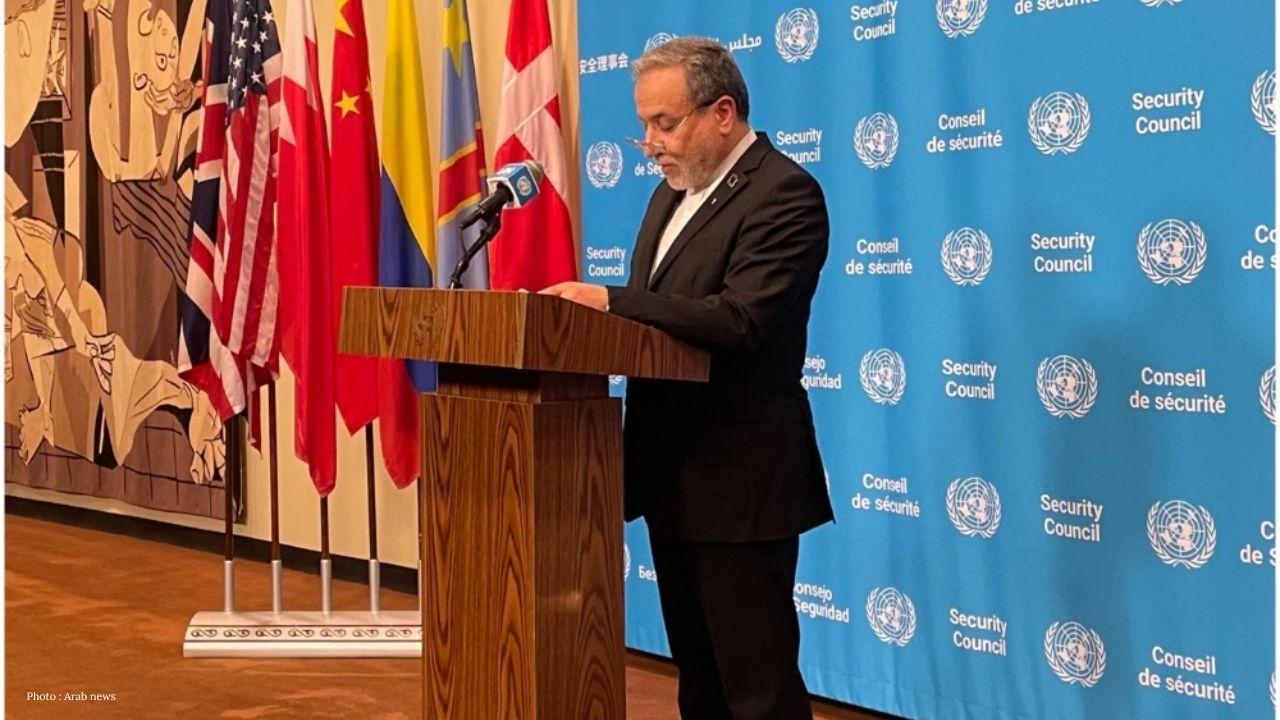
Tensions peaked after Trump posted an emphatic message warning Iran of severe consequences if the Strait is not reopened. He also noted that military options are on the table if a resolution isn't achieved soon. Iranian officials promptly dismissed the warning, with military leaders issuing stern counterstatements and cautioning against further attacks on their facilities.
Experts caution that ongoing regional issues may drive global energy prices higher. Rising oil costs can impact transportation, manufacturing, and consumer goods, leading to worldwide inflation. Thus, both governments and market players are closely observing the situation for signs of escalation or diplomatic efforts.
Currently, oil markets remain highly reactive to the developments in the region. Positive outcomes from negotiations could provide much-needed stability, whereas further conflicts might lead to even greater price surges in the near future.


 English