Post by : Saif
Al-Najjar
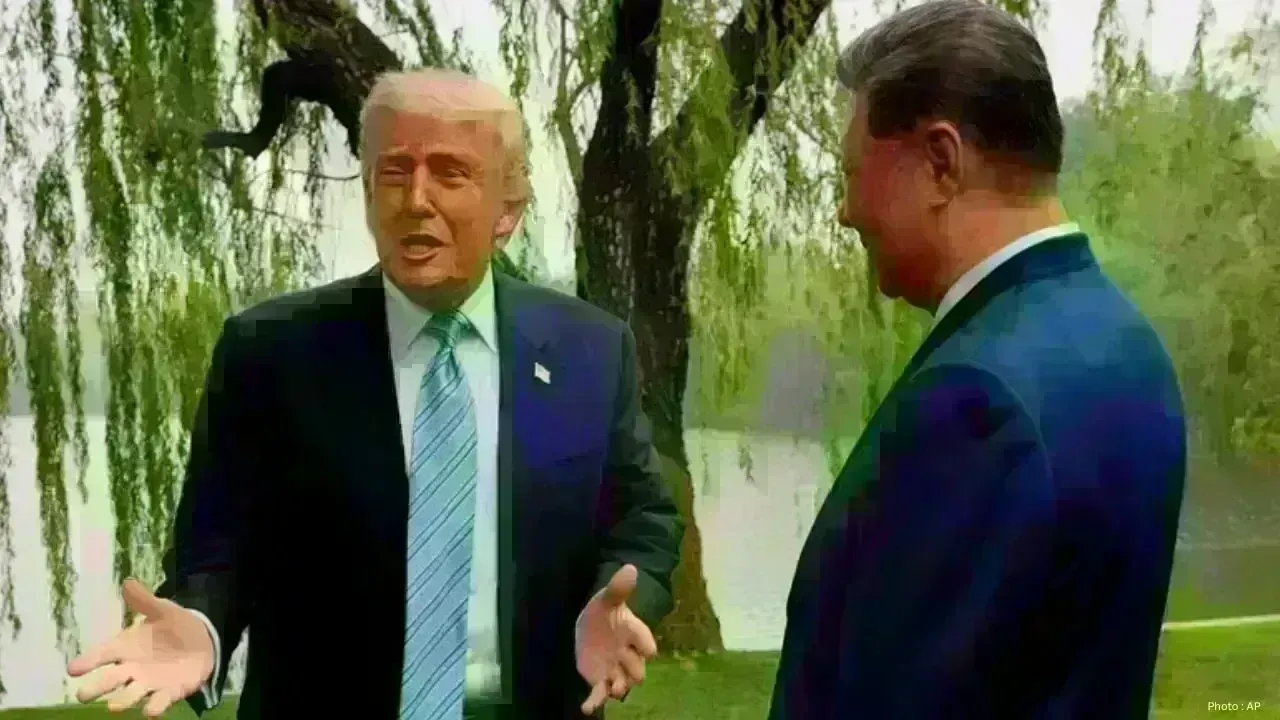
An important dialogue occurred between former US President Donald Trump and Chinese President Xi Jinping, drawing worldwide attention to the evolving dynamics between these two global powerhouses. The discussions centered on critical subjects: Taiwan, Iran, and trade relations.
Taking place in a landscape of increasing global instability, the leaders aimed to navigate their competitive relationship without drifting into outright conflict. Despite the gravity of the talks, there was also a mutual inclination to maintain an open line of communication.
The Taiwan issue emerged as a particularly delicate topic. While China views Taiwan as part of its domain, the United States backs Taiwan's autonomy and provides it with defense support. Xi Jinping cautioned that improper handling of this matter could escalate into serious conflict, underscoring the significant rift between the two nations.
Iran represented another focal point. The US expressed a desire for China to assume a more substantial role in curbing Iran's military maneuvers and nuclear endeavors. Concerns regarding energy security and the stability of Middle Eastern routes vital for global oil trade were also highlighted. Reports indicated discussions on the necessity of keeping these critical trade passages open and minimizing any regional escalation.
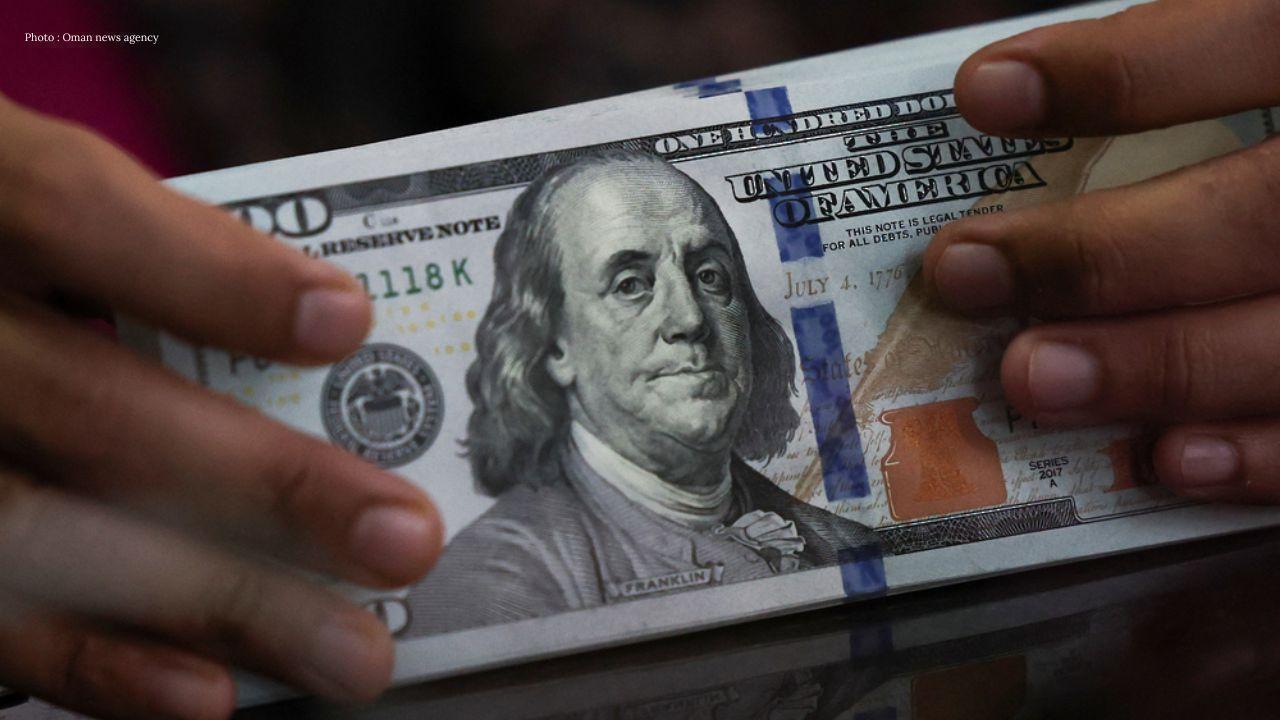
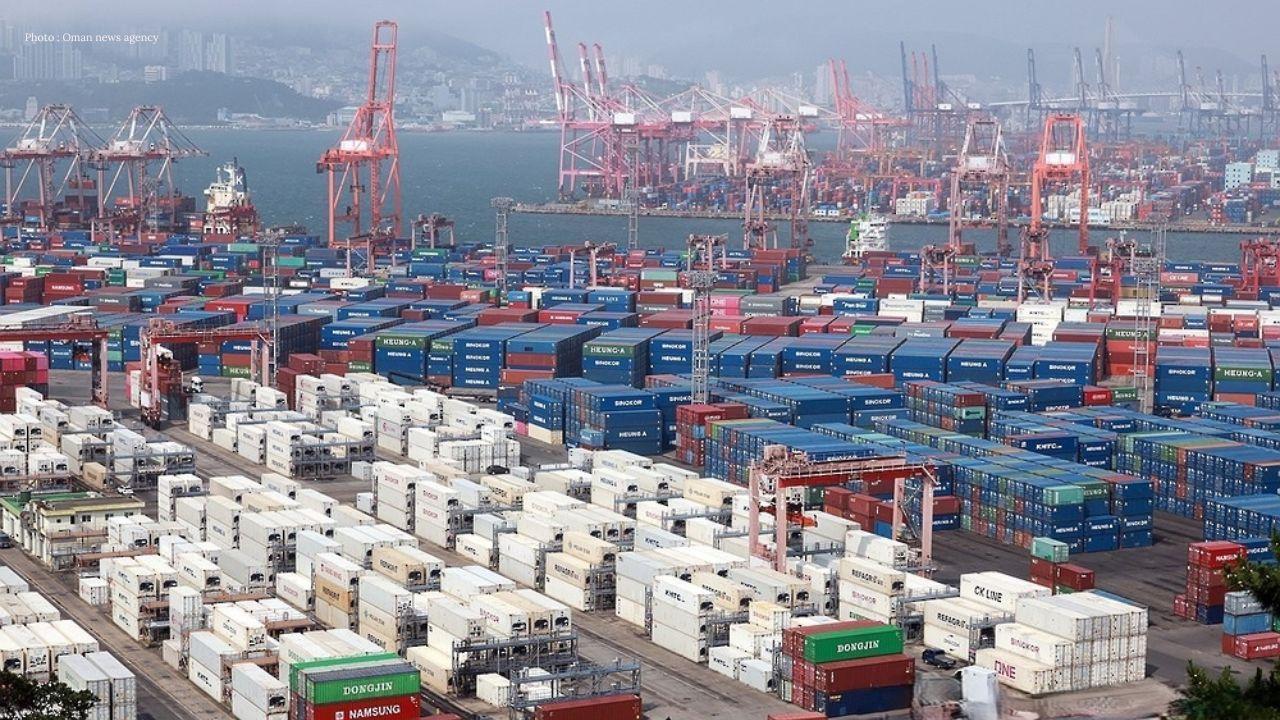
Trade relations marked the third major topic of conversation. The ongoing trade tensions, characterized by tariffs and competition over technological superiority, were evident. During the discussions, both parties exhibited an interest in fostering economic cooperation, even amid persisting disagreements.
This meeting underscores a broader reality in today's global politics. Although the US and China are deeply interlinked via trade and global supply chains, they concurrently function as strategic adversaries. Complications surrounding issues such as Taiwan and Iran only intensify their relationship.
Both leaders emphasized the necessity for stability; neither party desires a direct confrontation that would disrupt global economies, energy markets, and security in various regions.
Experts suggest the focus of these talks leans more towards managing existing differences rather than resolving them entirely. No significant agreements emerged, yet the meeting succeeded in preserving dialogue between two influential countries.
In conclusion, the Trump–Xi conversations reflect the ongoing challenge in global diplomacy: the need to balance competition with cooperation. The future ties between the US and China will hinge on how these nations address sensitive issues like Taiwan, Iran, and international trade in the years to come.


 English