Post by : Saif
Al-Najjar
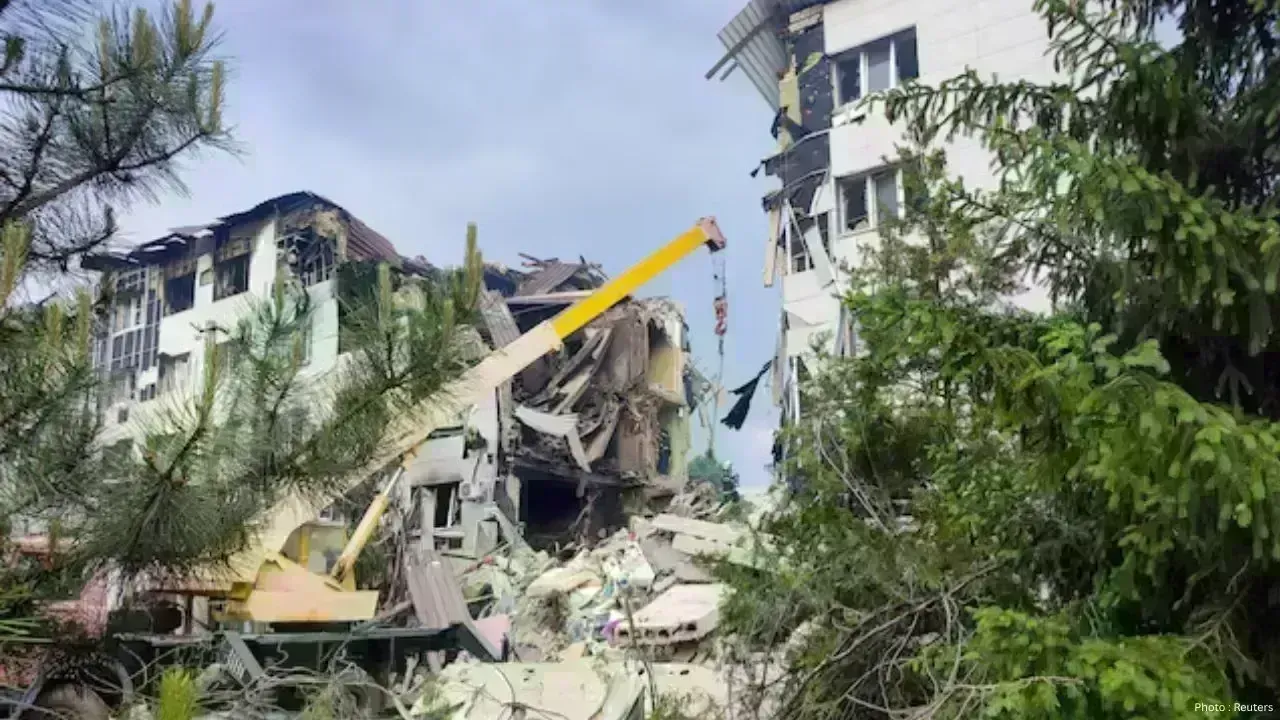
The tragic attack on a student dormitory in a war-stricken area has resulted in at least ten fatalities, according to officials aligned with Russian authorities. This incident underscores the escalating humanitarian crisis stemming from the ongoing conflict between Russia and Ukraine.
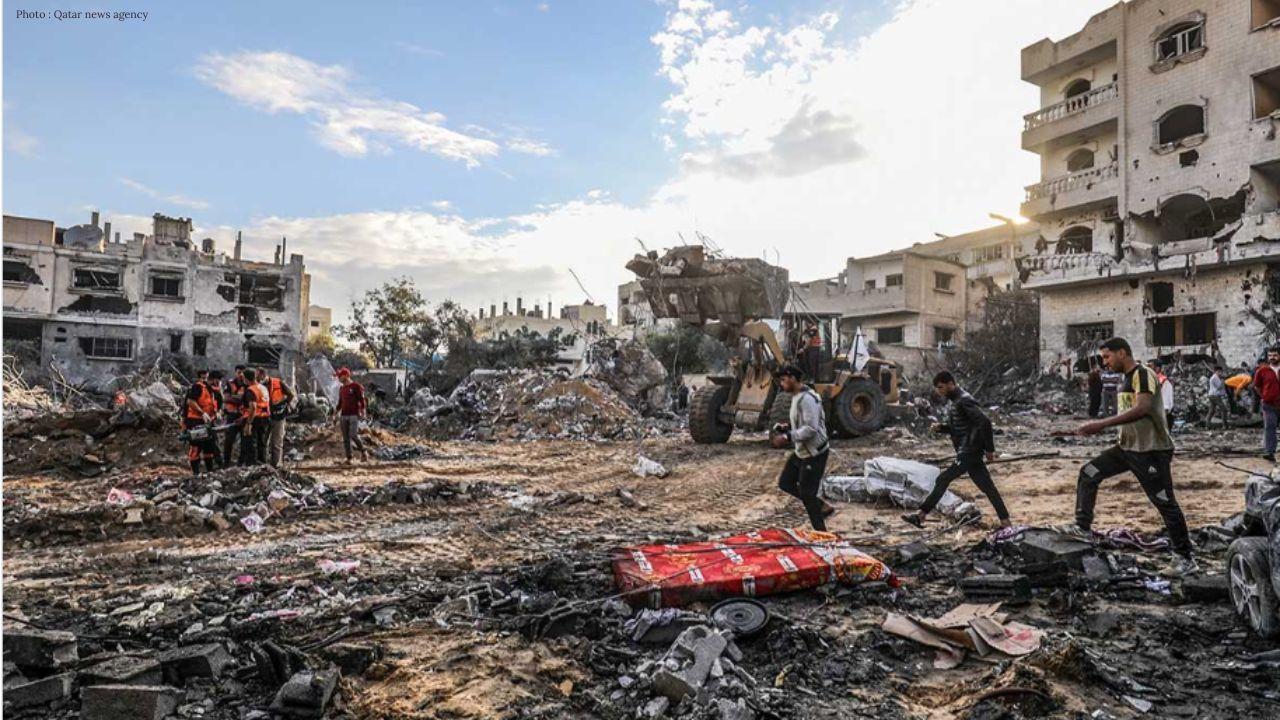
Rescue teams worked tirelessly for hours post-attack, navigating the ruins where victims remained trapped beneath rubble and debris. Emergency services reported multiple individuals needed immediate care and were transported to nearby hospitals.
Brave rescue workers, alongside firefighters and medical personnel, carefully combed through the damaged building, aiming to avert further collapse. As operations continued, fears grew that the casualty count might increase as more victims could be uncovered.
Reports indicate that the dormitory housed not only students but also civilians seeking shelter amidst the turmoil. Distressing images from the site revealed wrecked rooms, shattered glass, and emergency vehicles clustered around the damaged area.
There is heightened alarm regarding civilian safety in regions eclipsed by war. Educational institutions and residential neighborhoods have frequently endured destruction since the conflict between Russia and Ukraine ramped up.
This war has unleashed one of the gravest humanitarian crises in Europe in recent decades. With millions displaced from their homes, countless lives have been lost due to missile strikes, aerial assaults, and extensive military engagements.
The targeting of student housing, a symbol of learning and normal life, amplifies the emotional toll on affected communities. Families and local residents grapple with persistent anxiety, aware that civilian spaces remain susceptible during warfare.
Humanitarian organizations have consistently advocated for the safeguarding of civilians and essential infrastructure during conflict. Groups monitoring the strife have urged both sides to refrain from assaults that endanger innocents.
In parallel, Russia and Ukraine have leveled accusations against each other regarding attacks on civilian areas. Verification of claims in conflict zones is challenging due to swiftly shifting military dynamics and limited journalist access.
This recent incident reinforces the harsh reality faced by youth amidst the war. Many students are enduring disrupted studies, coerced relocations, mental distress, and financial struggles sparked by the ongoing skirmishes.
Numerous educational establishments have experienced damage or have had to halt standard operations. While some schools transitioned to online platforms, others confront challenges related to security threats and inconsistent power supplies.
Residents residing near active fighting zones continue to endure severe challenges in their daily lives. From incessant air raid alerts to compromised medical services and shortages of basic utilities, these challenges are prevalent in numerous locations embroiled in combat.
Global leaders and international organizations persist in advocating for diplomatic initiatives aimed at quelling violence and protecting civilian lives. Nonetheless, peace efforts have proven difficult amidst ongoing military activities at multiple fronts.
The ramifications of the Russia-Ukraine conflict extend beyond regional violence, influencing global food markets, energy pricing, trade practices, and international relationships. Various nations remain engaged through sanctions, military backing, humanitarian assistance, and diplomatic endeavors.
Security analysts caution that prolonged conflict heightens the danger of subsequent humanitarian catastrophes. In modern warfare, civilian facilities frequently face threats due to advanced technologies like missiles and drones, which are capable of catastrophic destruction.
The profound emotional toll on families following the dormitory strike is expected to linger. Parents and friends are now left grieving the loss of loved ones amid this relentless conflict.
The escalation in death toll serves as a sobering reminder of the deep human costs associated with warfare. As ordinary individuals continue to bear the brunt of loss, dislocation, and devastation, the focus shifts to the urgent need for humanitarian aid.
While recovery efforts persist, the global community remains attuned to the deteriorating humanitarian climate linked to the Russia-Ukraine conflict, holding onto hope for diplomatic breakthroughs that might curtail violence and preserve innocent lives.


 English