Post by : Sami
Al-Rahmani
The Growing Influence of Credit Cards on Daily Expenditures
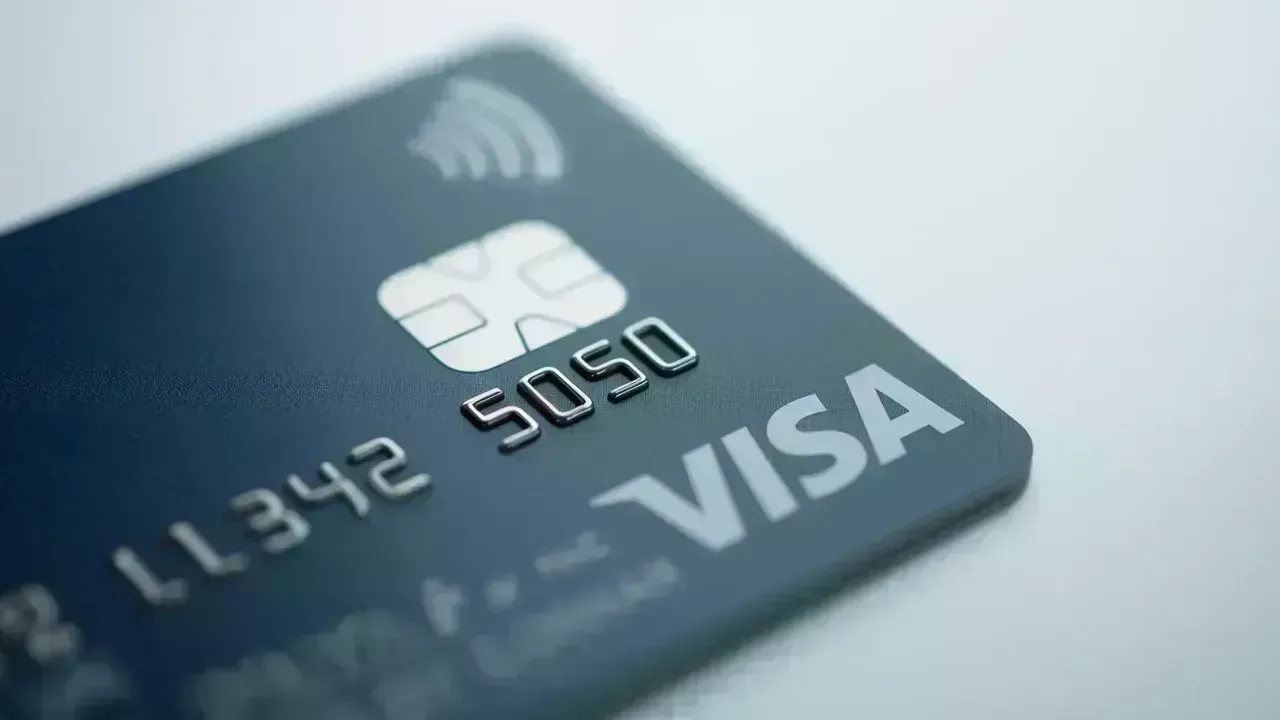
For families, salaried workers, and young professionals alike, credit cards have increasingly become an integral tool for managing everyday finances. Whether it's for grocery shopping, gasoline, online purchases, or utility bills, they provide convenience and instant credit benefits. Yet, the rise in their use is subtly altering the way individuals approach budgeting, saving, and long-term financial health. While these cards can be a boon, they can also foster debt cycles and diminish savings if mismanaged.
Introduction
Initially intended for flexible spending, credit cards have shifted into daily essentials for many users. With easy approvals, attractive rewards, cashback incentives, and the option to buy now and pay later, credit card usage is rising across diverse income levels. Unbeknownst to many, this shift often results in altered monthly financial behaviors. This article delves into the dual impact of credit card use on finances, emphasizing key insights needed to sustain financial health.
Transformations in Monthly Spending Habits
Credit card usage has significantly altered perceptions of spending.
Notable behavioral shifts
• Hesitation in spending diminishes
• Increased average transaction amounts
• Impulse buying becomes more frequent
With delayed payments, the immediacy of expenses diminishes, encouraging overspending compared to cash or debit transactions, often leading to unintended higher monthly expenditures.
The Illusion of Financial Freedom
Credit cards can foster a false sense of increased purchasing capability.
Reasons for this phenomenon
• Credit limits may be perceived as accessible funds
• Payments are deferred to the next statement
• Minimum payments reduce immediate repayment pressure
This perception can skew budgeting efforts, prompting commitments that exceed actual financial capacity.
Influence on Budgeting Strategies
Credit cards significantly influence budget creation and adherence.
Frequent budgeting challenges
• Tracking true expenses becomes difficult
• Billing cycles may overlap
• Total monthly expenditures underestimated
When costs are scattered over multiple cards and due dates, gaining a clear understanding of monthly outgoings becomes challenging.
Effects on Savings and Emergency Funds
Reliance on credit cards often disrupts saving habits.
How it affects savings
• Monthly surplus shrinks due to repayments
• Credit becomes a substitute for emergency funds
• Savings become delayed due to balances
Many depend on credit cards for unplanned expenses, instead of maintaining liquid savings, which can be precarious during prolonged financial distress.
The Long-Term Cost of Interest
Interest charges pose significant risks with improper credit card management.
Crucial points to note
• Interest rates are generally higher compared to other loans
• Interest arises on outstanding debts
• Minimum payments elongate repayment timelines
Even small unpaid amounts can escalate into substantial burdens, decreasing discretionary income over time.
The Minimum Payment Challenge and Cash Flow
Paying just the minimum affects monthly finances directly.
Reasons it's detrimental
• A large portion of the payment applies to interest
• Loan principal shrinks slowly
• Longer repayment periods incur
This can entrap users in a cycle where a fixed amount of income is consistently directed toward credit repayments.
How Reward Programs Shape Spending Trends
Incentives and cashback schemes can heavily influence shopping choices.
Behavioral changes
• Increased spending driven to earn rewards
• Non-essential purchases justified by incentives
• Brand loyalty guided by offers rather than necessity
While rewards can be advantageous, pursuing them often leads to spending that outstrips the actual benefits.
EMI Schemes and Financial Strain
Many opt for converting hefty purchases into easy monthly payments.
Benefits include
• Eases immediate financial obligations
• Makes significant purchases seem affordable
Drawbacks involve
• Fixed monthly commitments increase
• Less flexibility in future financial plans
• Heightens potential lifestyle inflation
Multiple EMI commitments can covertly absorb a large share of monthly finances.
Credit Cards and Lifestyle Inflation
As earnings rise, so too can credit limits.
Consequential impacts
• Lifestyle expenses gradually escalate
• Increased spending on dining, shopping, and subscriptions
• Less emphasis on savings growth
This often occurs incrementally, going unnoticed until financial pressures mount.
Credit Card Debt and Psychological Pressure
Ongoing credit card payments can influence emotional well-being.
Common stressors
• Anxiety over missing payment deadlines
• Concern about rising balances
• Guilt linked to excessive spending
Financial anxiety can impair productivity and diminish overall life quality.
Credit Card Bills and Other Financial Aspirations
Outstanding balances can hinder progress toward significant financial goals.
Goals impacted
• Home buying
• Long-term investment plans
• Retirement savings
• Education funding
High-interest debts can limit the capacity to allocate finances toward future objectives.
Potential Benefits from Responsible Use
Despite the inherent risks, credit cards can enrich monthly finances if properly managed.
Rewards of responsible usage
• Enhanced cash flow oversight
• Fostering emergency funds
• Benefits from rewards programs
• Building a sound credit history
Discipline and awareness are vital components.
Effective Strategies for Monthly Financial Health
Adopting simple habits can greatly mitigate negative repercussions.
Actionable steps
• Aim to pay off the full amount each month
• Limit the number of active credit cards
• Weekly expense tracking
• Refrain from unnecessary EMI conversions
• Strategically utilize rewards
These methods transform credit cards from potential burdens to effective tools.
Income Levels and Their Impact
The ramifications of credit card use differ based on income stability.
Irregular or low income
Excessive use can lead to rapid financial strain.
Consistent income
Easier repayment management, albeit with complacency risks.
Higher income
Heightened limits can tempt overspending.
Regardless of income, self-discipline remains crucial.
Credit Cards Compared to Debit Cards in Financial Management
Debit cards promote immediate spending accountability, while credit cards postpone financial repercussions.
Key differentiators
• Debit cards restrict spending to available funds
• Credit cards allow for projected income management
Utilizing a balance of both can help maintain control over finances.
Identifying Warning Signs of Unhealthy Usage
Certain habits may indicate problematic credit card usage.
Signs to look out for
• Habitual minimum payments
• Using cards for essential costs
• Regularly reaching credit limits
• Borrowing funds to cover credit charges
Early recognition of these patterns can avert severe financial difficulties.
Creating a Sound Credit Card Strategy
A systematic approach ensures credit cards assist rather than hinder financial aspirations.
Healthy credit strategy
• Use one primary card for better control
• Commit to monthly full repayments
• Maintain a separate emergency fund
• Regularly review financial statements
This strategy allows for predictable financial management without unnecessary stress.
The Importance of Awareness Over Avoidance
Credit cards aren't inherently negative. It's the lack of understanding and planning that leads to financial pressure. Recognizing their impact on monthly finances empowers users to make educated decisions rather than impulsive ones.
Conclusion
Credit cards wield significant influence over monthly financial health, shaping spending behavior, savings patterns, and stress levels. While they offer convenience and flexibility, their unchecked use can foster overspending, contribute to debt, and threaten financial security. Responsible management, full balance payments, and aligning card use with personal financial objectives can yield the benefits without compromising financial integrity. Awareness and discipline remain the cornerstones of ensuring credit cards serve as financial instruments rather than liabilities.
Disclaimer
This article serves as an informational resource and does not replace professional financial advice. Individual circumstances vary, and readers should evaluate their financial situation or seek counsel from a licensed expert before making credit decisions.


 English