Post by : Saif
Al-Najjar
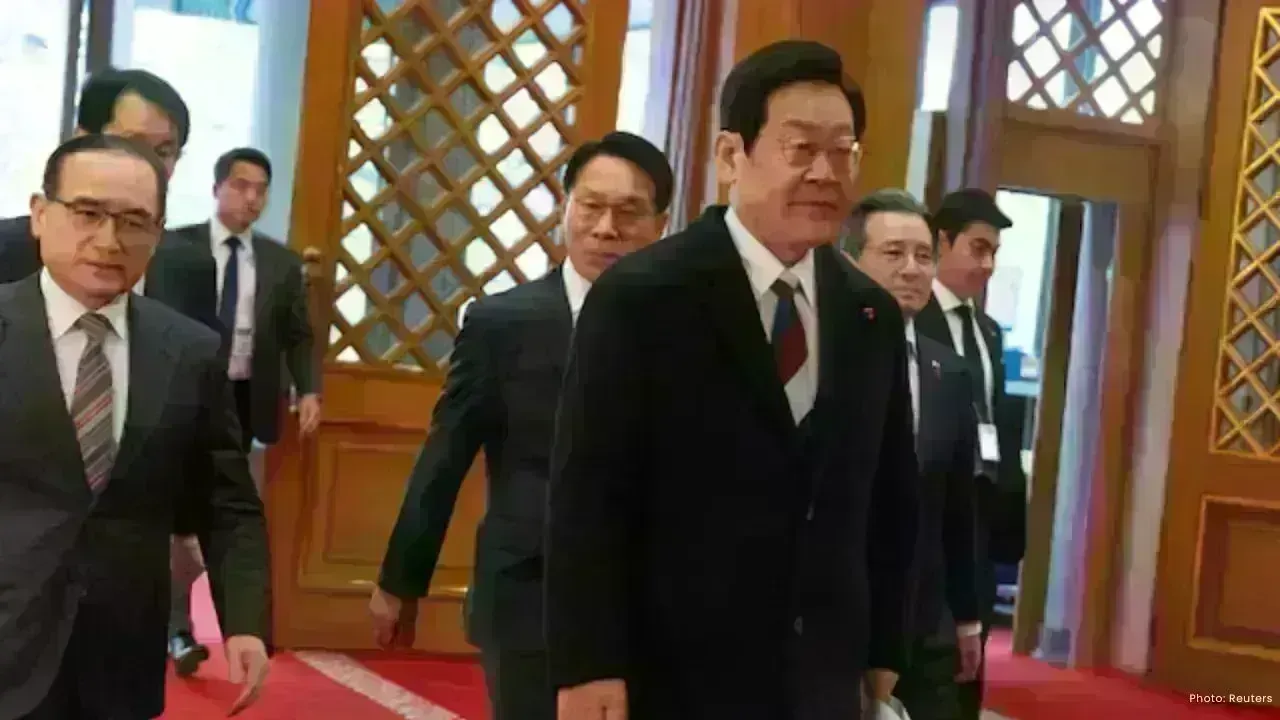
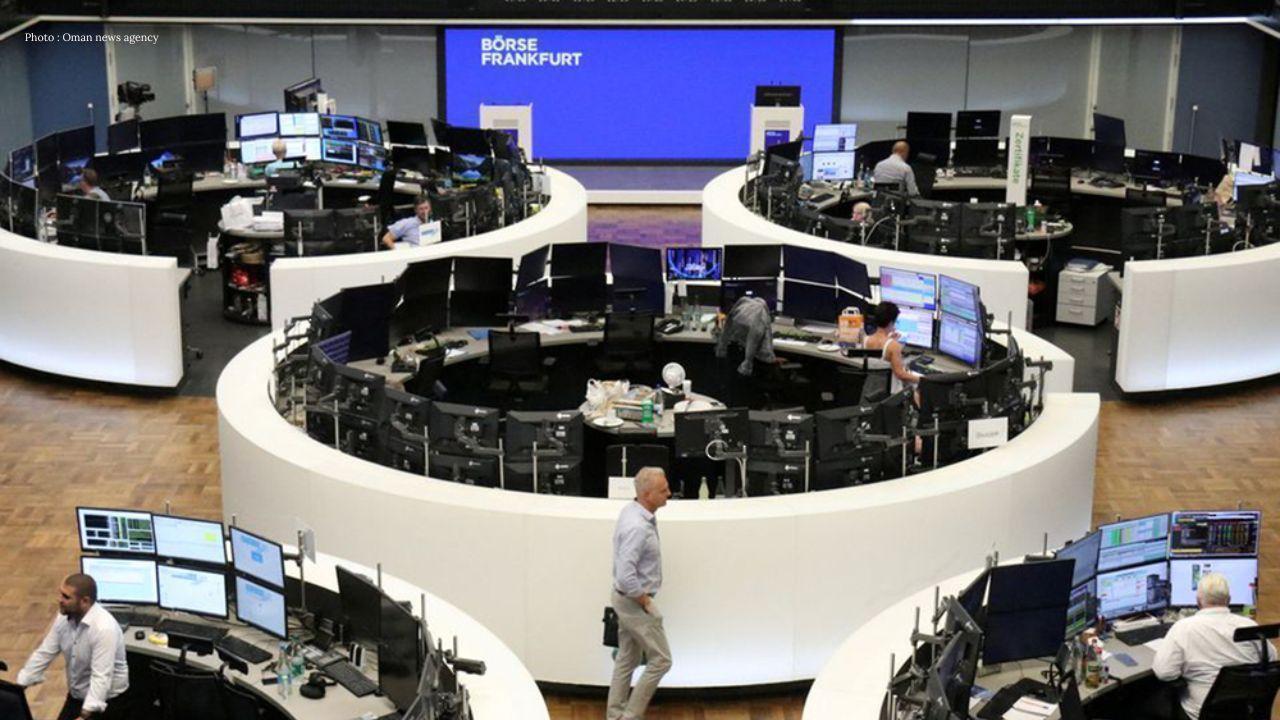
President Lee Jae Myung of South Korea has alleviated concerns regarding proposed tariffs from the United States on imported semiconductors while cautioning that such actions could lead to higher prices for American consumers. During a press briefing in Seoul, Lee emphasized that significant duties on foreign chips could elevate costs throughout the U.S. economy instead of undermining Asian semiconductor manufacturers.
This statement follows U.S. Commerce Secretary Howard Lutnick's assertion that semiconductor producers from South Korea and Taiwan might face tariffs as high as 100% unless they expand their production within the U.S. The proposal has stirred apprehensions across the global tech sector, given the dominance of South Korea and Taiwan in the semiconductor field.
According to President Lee, South Korean and Taiwanese enterprises command roughly 80% to 90% of the worldwide chip supply. He remarked that any substantial tariff imposed would most likely transfer costs to consumers, meaning American firms and consumers would ultimately pay more for electronics reliant on these chips.
Lee also pointed out that South Korea benefits from trade protections established in its agreement with the United States, which are intended to ensure fair treatment for Korean chipmakers compared to those from other nations. He reassured that Seoul would keep a vigilant eye on the situation but did not perceive an immediate risk to the sector.
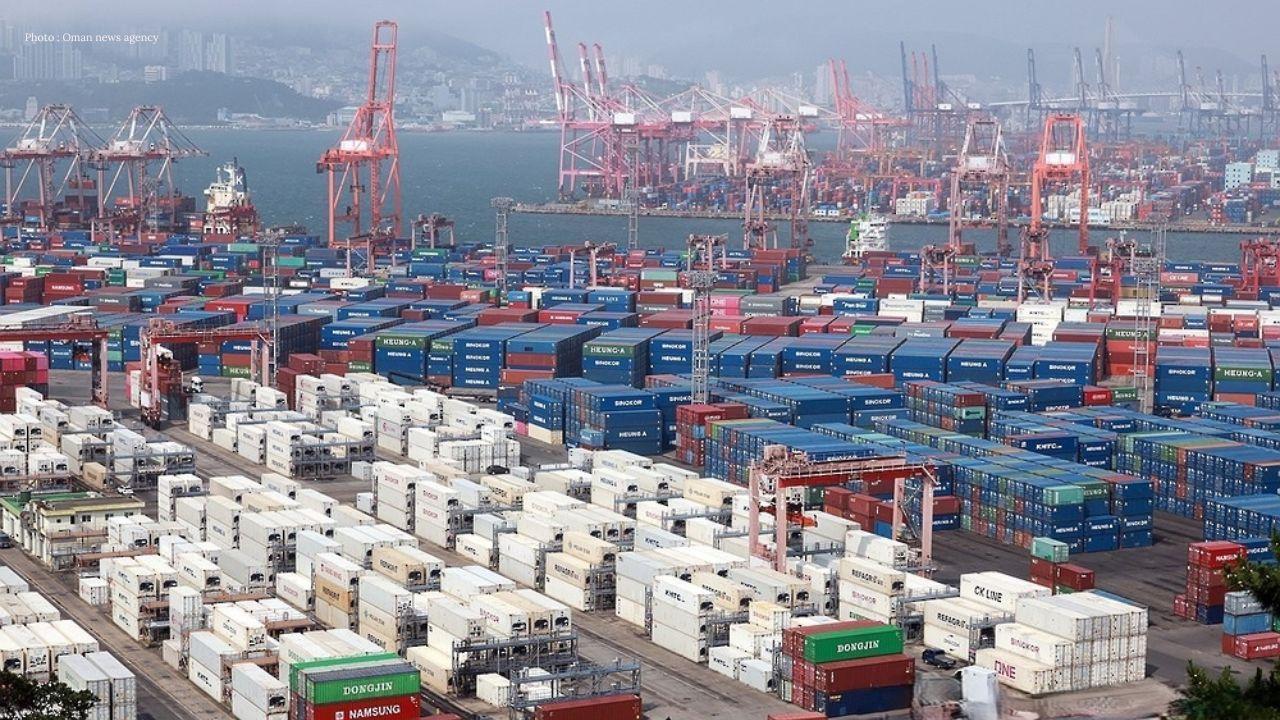
The semiconductor industry is a crucial component of South Korea's economy. The country achieved a record of $709.4 billion in exports in 2025, marking a nearly 4% increase from the previous year, with semiconductor exports soaring by 22% due to robust demand for artificial intelligence technology. Chips sent to the U.S. constitute about 8% of South Korea's total semiconductor shipments, while China remains the largest customer, followed by Taiwan and Vietnam.
In addition, President Lee discussed the depreciation of the South Korean won, noting expectations of a gradual strengthening to about 1,400 won per U.S. dollar in the coming months. Yet, he admitted that domestic policies alone cannot stabilize currency markets entirely, mentioning that the movements of the won are partially influenced by the Japanese yen and that it has performed relatively better than some of its regional counterparts.
Beyond economic matters, Lee touched on initiatives to revive dialogues between the United States and North Korea. He stated that the South Korean government is utilizing diplomatic means to foster communication, while realistically addressing Pyongyang's nuclear ambitions. Lee acknowledged that expecting North Korea to relinquish its nuclear arsenal entirely would be challenging, but halting further nuclear material production and exports would still represent a significant development.
Until now, North Korea has dismissed attempts at outreach from both President Lee and U.S. President Donald Trump, with discussions stalling since Trump’s encounters with North Korean leader Kim Jong Un in 2019 concluded without a consensus on sanctions relief or nuclear disarmament.
President Lee’s statements reflect South Korea’s delicate balancing act as it defends its pivotal semiconductor industry while striving to uphold stable relations with Washington and manage enduring security challenges on the Korean Peninsula. As the global competition surrounding chip production intensifies, the discourse on tariffs is set to remain a critical subject for both nations.


 English