Post by : Bianca
Haleem
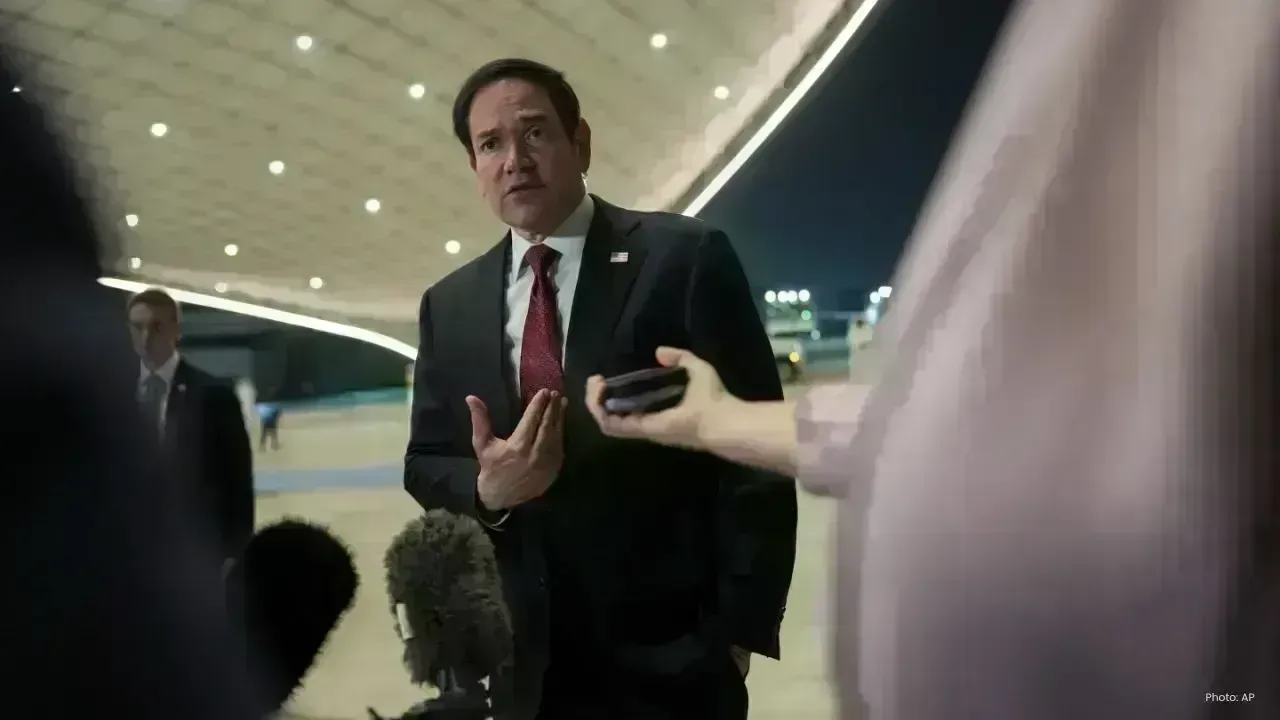
Arriving in the UAE on Tuesday night, U.S. Secretary of State Marco Rubio commenced a three-nation tour of the Gulf to reassure allies about a recently brokered deal between the U.S. and Iran aimed at mitigating tensions in the Middle East.
This visit follows two days of critical diplomatic dialogues held in Switzerland, featuring U.S. Vice President JD Vance, resulting in a notable agreement to cease regional conflict, ensure the Strait of Hormuz remains open, and offer sanctions relief for Iran. The negotiations surrounding Iran’s nuclear ambitions are expected to conclude in the next two months.
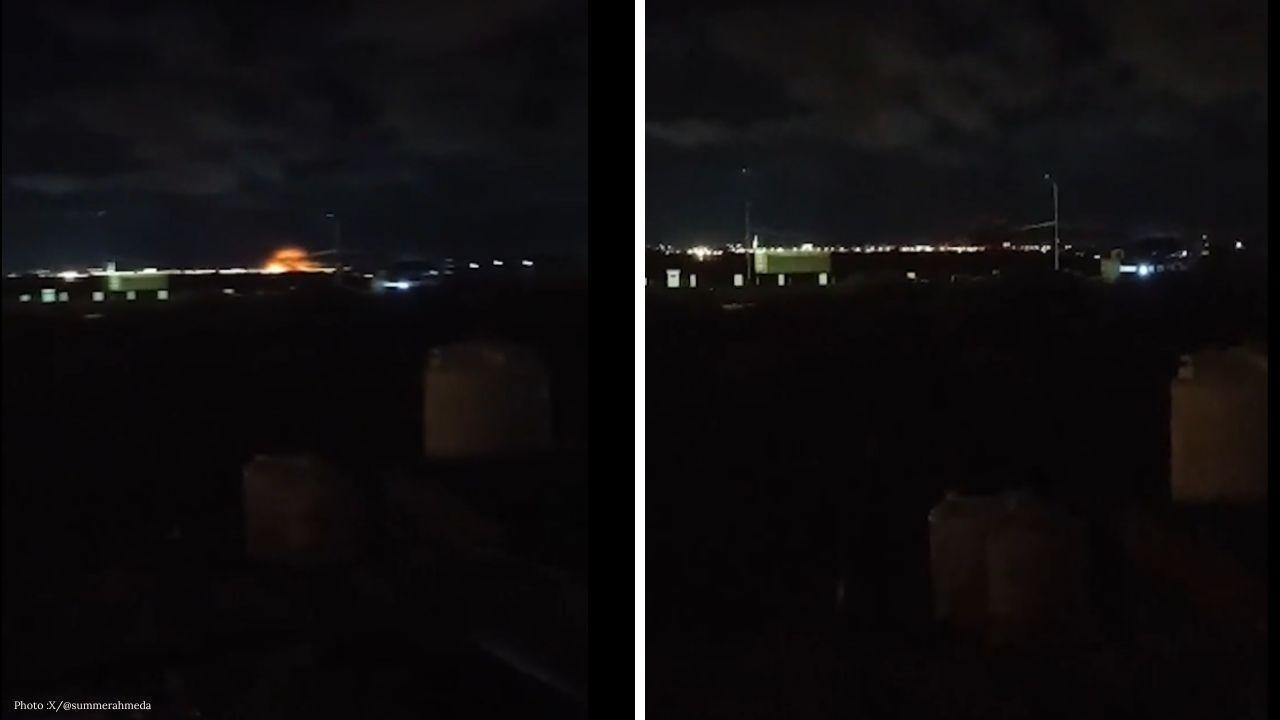
Rubio's itinerary includes the UAE, Kuwait, and Bahrain, all of which have previously experienced Iranian missile and drone assaults as retaliation for U.S.-Israeli airstrikes. Meetings with key regional figures are set to commence on Wednesday.
Several Gulf nations have articulated skepticism regarding the agreement and have recently taken a firmer stance against Iran than the previous administration led by President Donald Trump.
Upon arriving in Abu Dhabi, Rubio indicated that he aims to convey the benefits of the agreement to Gulf leaders, emphasizing that its effectiveness hinges on Iran's future actions. He highlighted a proposed investment fund for Iran worth $300 billion, which would progress only if Iranian leaders opt to act as a conventional state rather than perpetuating destabilizing initiatives.
Critics of the deal have pointed out that it fails to directly tackle Iran’s missile program, its backing of regional militant groups, and its nuclear activities, which will be scrutinized in ensuing talks.
Rubio countered this criticism by asserting that the memorandum of understanding signed last week mandates an end to regional hostilities. He stated that achieving this goal requires Iran to cease its support for groups such as Hamas in Gaza, Hezbollah in Lebanon, and the Houthis in Yemen.
According to Rubio, real and lasting peace is unattainable if Iranian-supported factions continue launching attacks or conducting operations in the region. These issues are encompassed within the broader scope of the agreement and will feature in subsequent discussions.
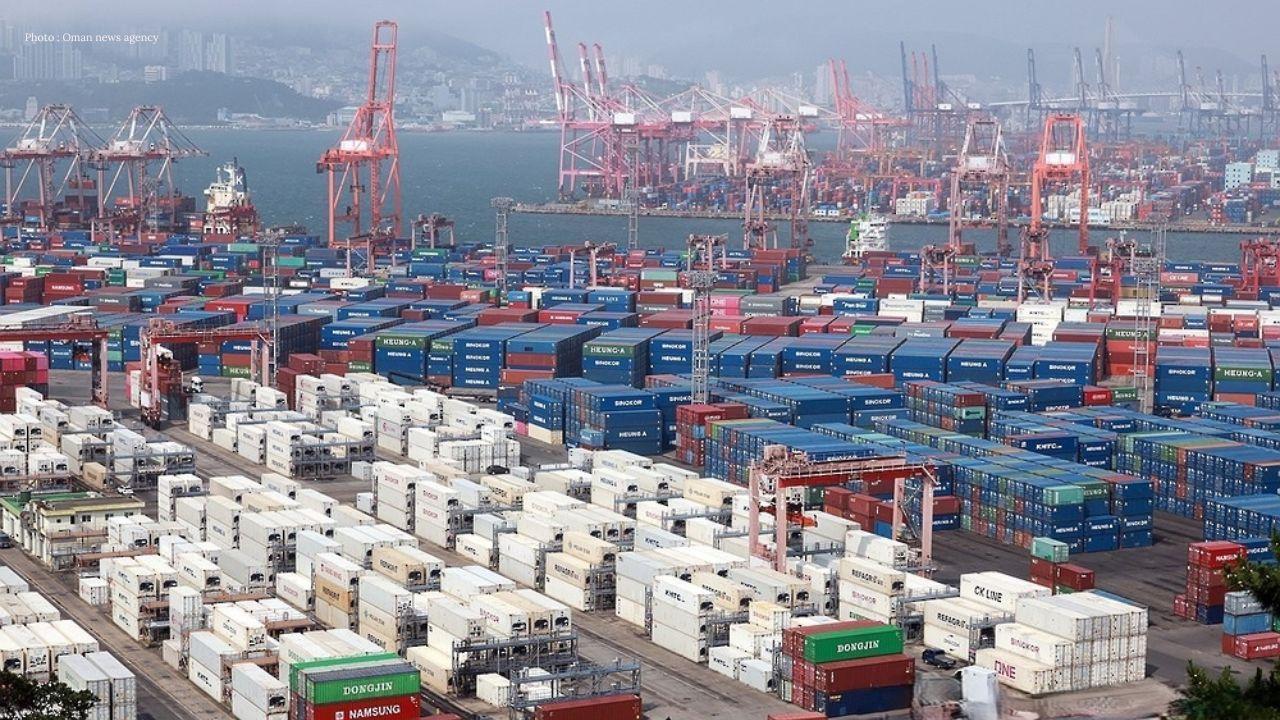
One prominent issue is the operational status of the Strait of Hormuz, a crucial maritime route. The UAE has been a strong advocate for maintaining its accessibility for international trade.
Concerns linger regarding the implications of the memorandum of understanding on navigation through the strait. While the U.S. insists on the free passage of international vessels, reports suggest that Iran is contemplating a system requiring shipping fees, seen by many as a toll.
Rubio firmly opposed such a scenario, stating that international law prohibits any country from imposing tolls for passage through international waters. He asserted the necessity of keeping the Strait of Hormuz open and unaffected by additional costs.
The Secretary believes that nations across the Gulf share the U.S. viewpoint regarding the importance of unimpeded access to this significant shipping lane.
This Gulf tour will emphasize regional security, the execution of the U.S.-Iran agreement, navigation rights in the Strait of Hormuz, and the ongoing discussions about Iran's nuclear program.
Why is Marco Rubio's Gulf tour significant?
Rubio's trip aims to clarify the new US-Iran treaty and pacify Gulf partners' worries over security and its practical implications.
What are the apprehensions of Gulf nations regarding the agreement?
Many Gulf states fear that the deal fails to adequately address Iran's missile initiatives, proxies, and various security hazards in the region.
What are the key points of the US-Iran agreement?
The pact is designed to halt hostilities, reopen the Strait of Hormuz, provide sanctions alleviation for Iran, and advance nuclear negotiations within a 60-day timeframe.
What issues arise from the Strait of Hormuz situation?
The U.S. advocates for free navigation through the Strait, while Iran may demand fees for vessels that pass through, potentially complicating international shipping.
Which countries will Rubio visit during the tour?
Rubio's itinerary includes important stops in the United Arab Emirates, Kuwait, and Bahrain.


 English