Post by : Saif
Al-Najjar
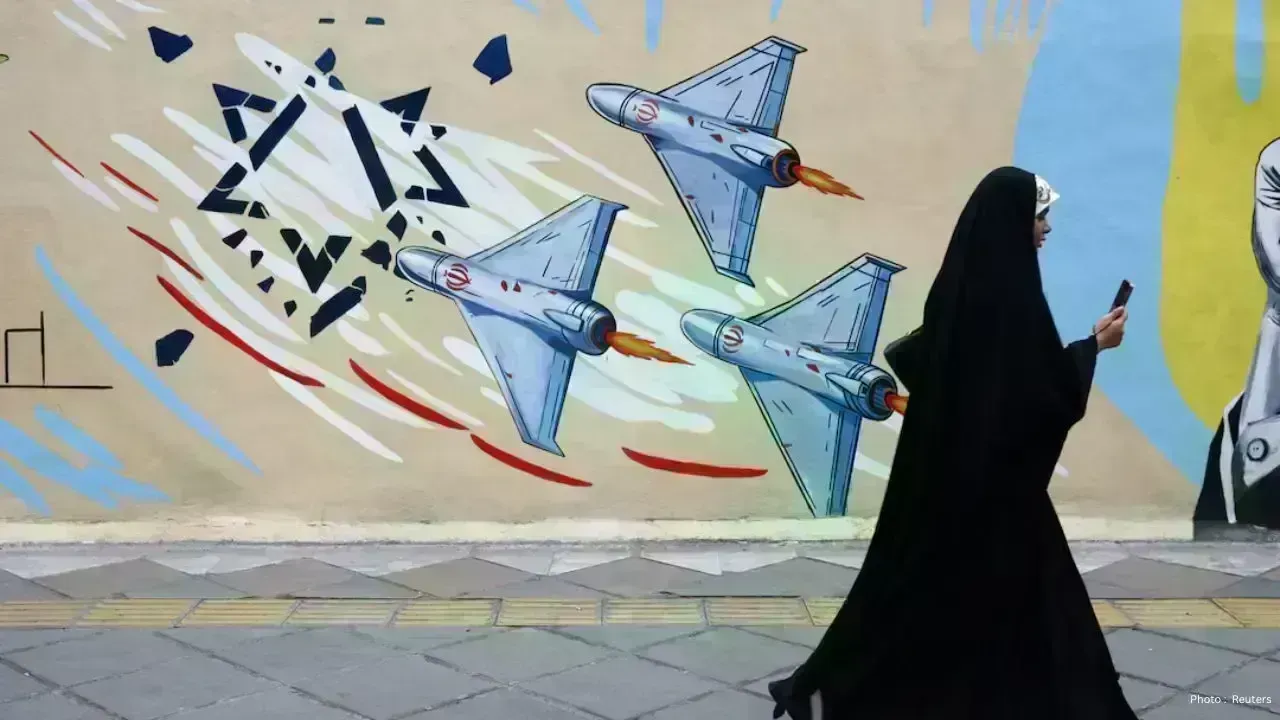
Amid rising urgency as the ceasefire between the US and Iran approaches its end, US officials are cautiously optimistic about the possibility of an agreement. Ongoing peace talks remain uncertain, stirring concerns regarding the future.
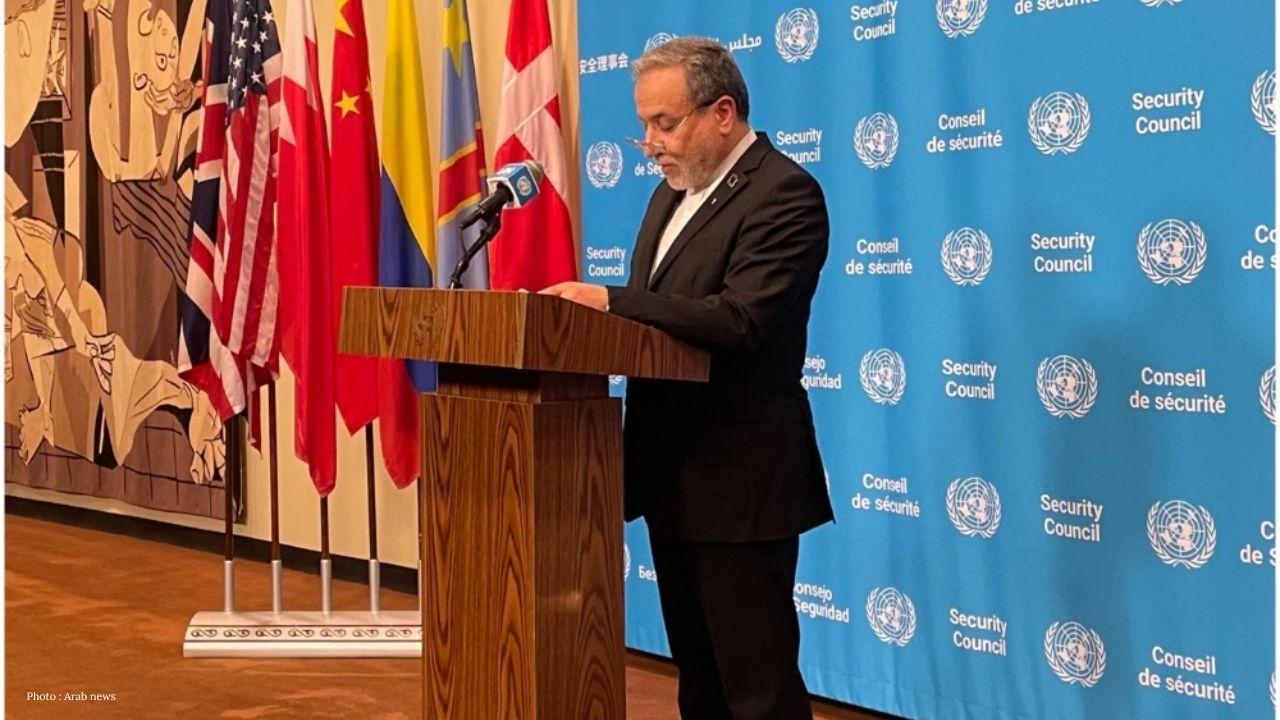
While dialogue seems plausible, final terms have yet to materialize, and the involvement of mediators, such as Pakistan, has been indicated without Iran’s explicit confirmation. Several key issues remain contentious.
The imminent expiration of the ceasefire heightens pressure on both nations to seek a diplomatic resolution before hostilities reignite. Despite the US believing there is a path forward, the current situation remains precarious.
A significant hurdle in negotiations is the ongoing lack of trust. Recent developments, including the US's seizure of an Iranian vessel, have been met with accusations from Iran of breaching the ceasefire, complicating negotiations further.
Strong rhetoric from leaders on both sides amplifies apprehensions. US officials have cautioned against Iran's nuclear advancements while hinting at potential military responses if discussions falter. In contrast, Iran has warned of possible strikes on critical infrastructure should they come under attack.
Yet, there remains a glimmer of hope, as reports suggest Iran may be open to engaging in talks, potentially paving the way for future dialogue. A successful negotiation could encompass issues like conflict reduction and the easing of sanctions, alongside regional security concerns.
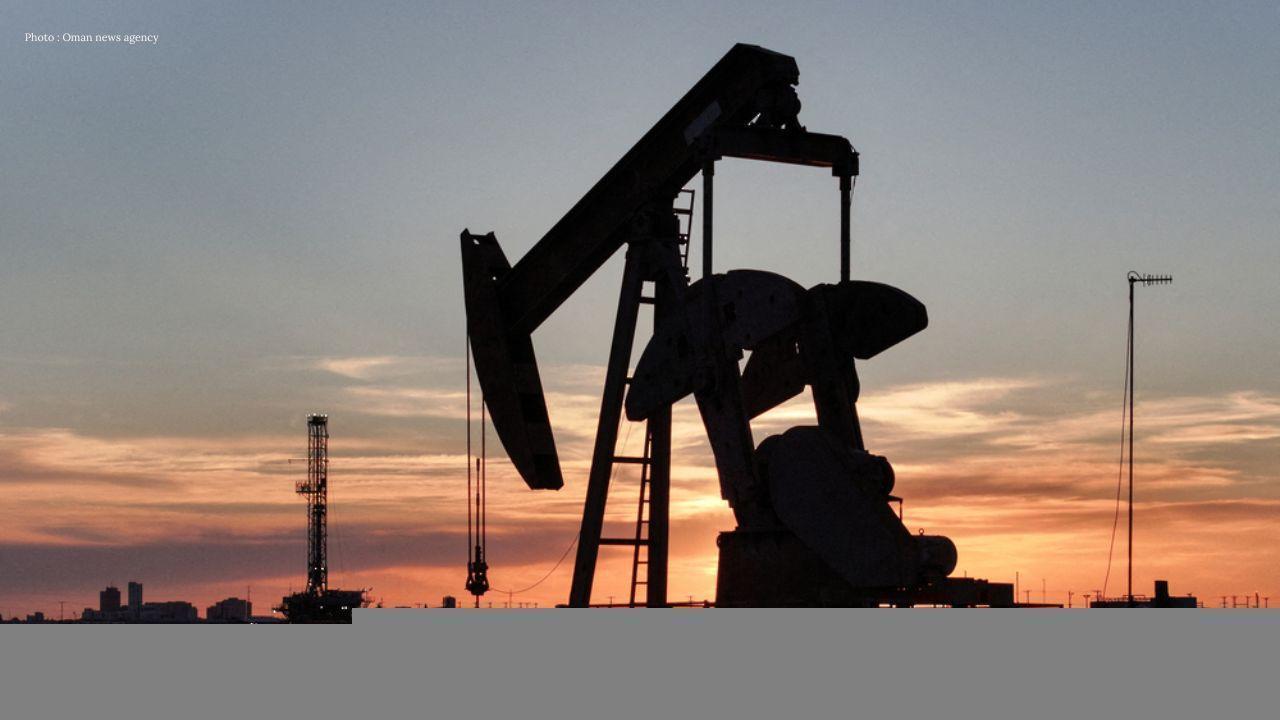
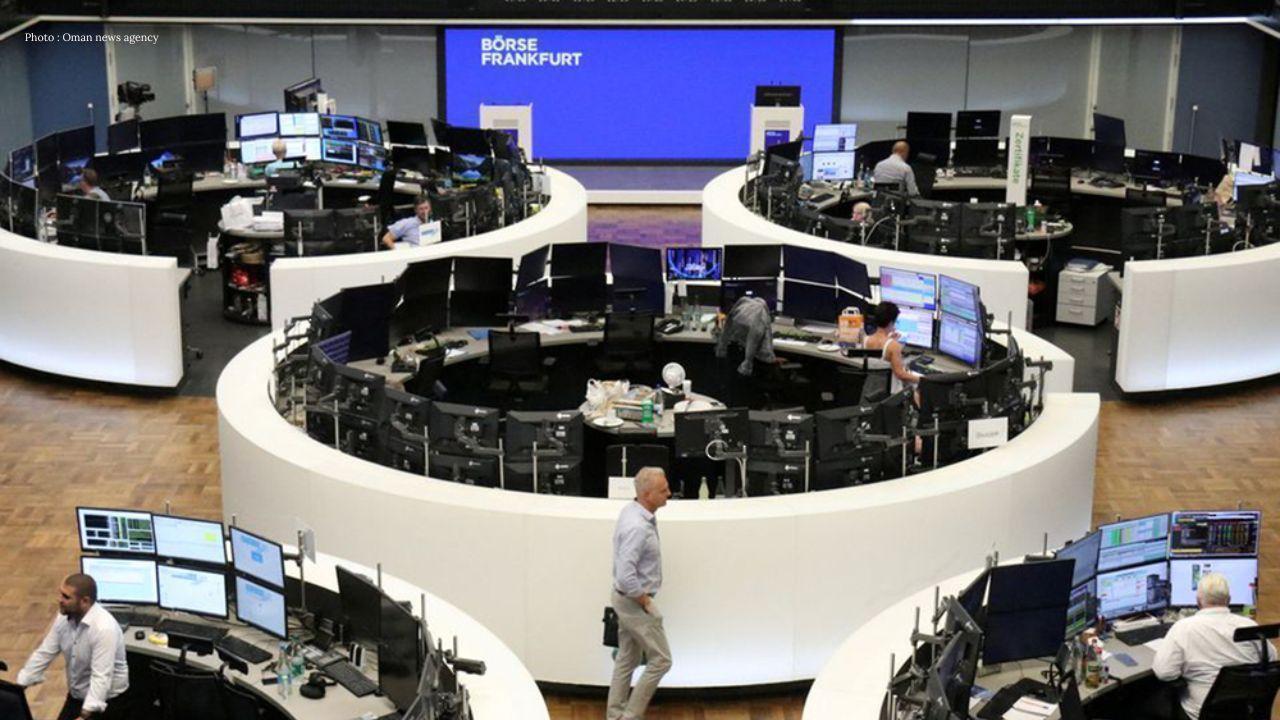
The implications of these negotiations extend globally, as markets respond to the potential for a deal. Oil prices, previously spiking due to conflict fears, have begun to decline as diplomatic hopes arise, highlighting the interconnectedness of the Middle East's stability with global economies.
Uncertainties persist—a minor misstep could derail progress, and the impending ceasefire deadline increases the stakes considerably. Mediators’ roles, particularly those of countries like Pakistan, will be critical in aligning both parties amid economic and political pressures.
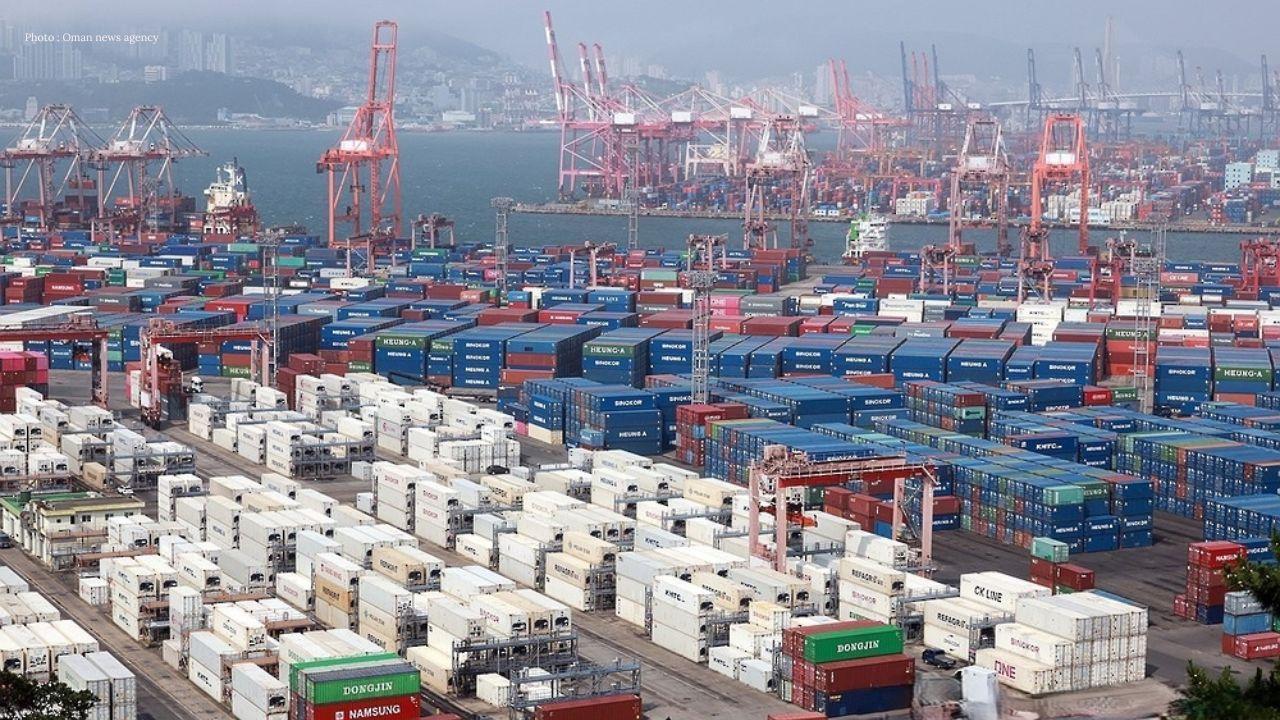
For regional populations, the consequences of these discussions are profound. A successful agreement could usher in peace and stability, while failure risks further conflict and suffering. This scenario also sends ripples through global commerce, energy supply, and international relations.
As the ceasefire deadline looms, the world watches closely to see if diplomacy can prevail. The approaching days will be pivotal in determining whether the US and Iran can navigate toward a peaceful resolution or confront another chapter of escalating tensions.


 English