Post by : Saif
Al-Najjar
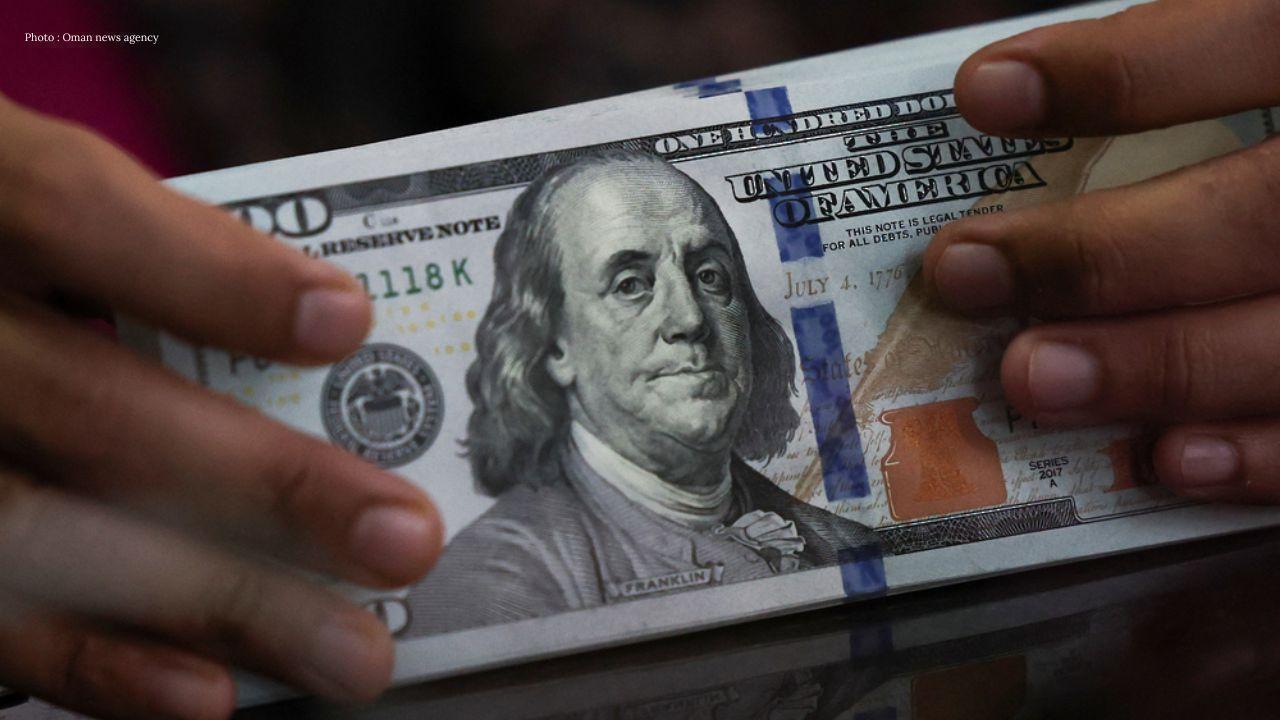
The Iranian rial is experiencing consistent pressure even as ceasefire hopes between the United States and Iran foster expectations for economic stability. This scenario indicates that while political changes may offer brief respite, substantial economic challenges often take significant time to resolve.
During periods of conflict, economies tend to suffer considerably. Trade activities diminish, investment slows, and uncertainty prevails. For Iran, these economic difficulties have directly influenced the depreciation of its currency. A weakening currency impacts daily life by escalating the prices of goods and lowering purchasing power.
The prospect of a ceasefire usually generates optimism for improved conditions. There’s an expectation that decreased tensions might bolster trade prospects and stabilize markets. Yet in Iran's case, the currency's struggles underscore that recovery isn’t an instantaneous process.
A major factor contributing to this ongoing pressure is the long-standing economic distress. Sanctions, restricted global market access, and internal fiscal dilemmas have cumulatively weakened the economy. Even with easing tensions, these underlying issues persist and continuously strain the financial landscape.
Inflation emerges as a considerable threat as the rial's value declines, resulting in escalated costs for imported goods. This inevitably leads to rising prices for basic necessities, complicating life for the Iranian populace. Effectively managing inflation presents a significant challenge for the government.
The scenario also illustrates market behavior in the face of uncertainty. Even with diplomatic dialogue, doubts linger regarding the sustainability of peace. Investors and traders typically await definitive and enduring stability before making crucial decisions, which can keep currency pressure ongoing.
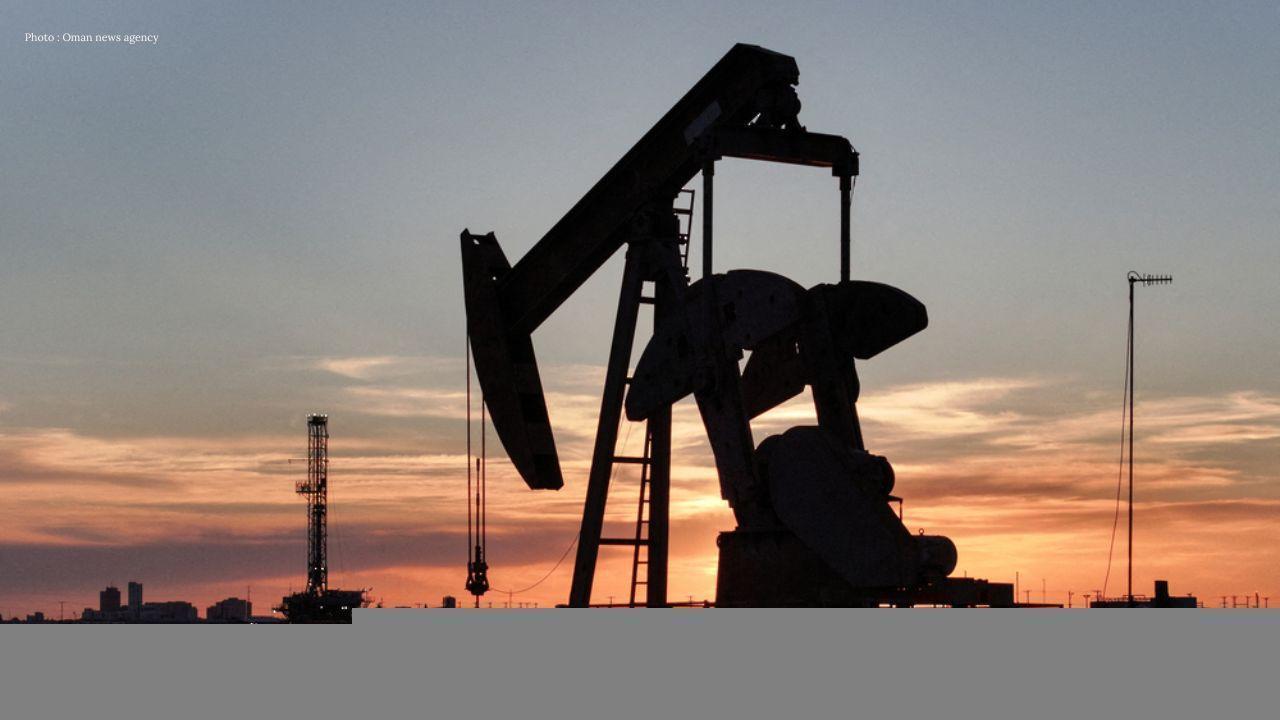
Additionally, global dynamics play a pivotal role in this equation. Fluctuations in oil prices, trade relations, and regional stability all have repercussions for Iran’s economy. Shifts in any of these spheres can directly impact currency valuation.
For the Iranian public, the repercussions are palpable and immediate. A depreciating currency diminishes savings, raises living expenses, and fosters uncertainty about the economic future, emphasizing that economic stability is as critical as political resolution.
The government may implement measures to support the rial, such as regulating exchange rates or modifying economic policies. However, these interventions typically offer only fleeting relief unless deeper systemic challenges are confronted.
The current climate illustrates that peace is not a panacea for all difficulties. While a ceasefire may mitigate conflict, revitalizing the economy necessitates time, strategic planning, and effective policies, along with regained confidence from both local citizens and international stakeholders.
Iran's situation conveys a broader message: economic recovery following conflict is a protracted journey. Establishing stability requires methodical efforts, blending political and economic solutions effectively.
As developments unfold, the spotlight will stay on Iran’s economic management and whether enhanced political circumstances can yield sustainable financial stability.


 English