Post by : Shakul
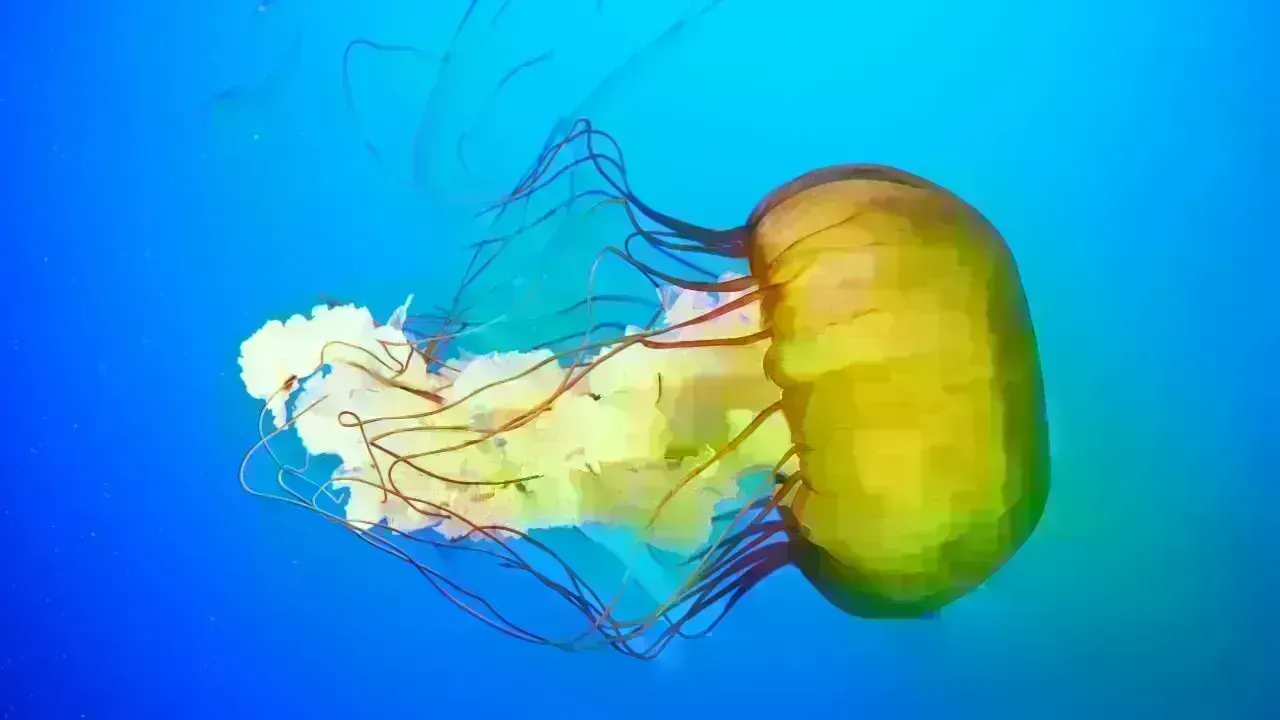
A significant marine discovery has been made with the identification of a new species of box jellyfish in the waters close to Sentosa, Singapore. This newfound species belongs to the notorious Chironex genus, known for housing some of the world’s most toxic aquatic creatures.
This important discovery was the result of collaborative efforts from researchers at Tohoku University in Japan along with the National University of Singapore’s Lee Kong Chian Natural History Museum and Tropical Marine Science Institute. It has been officially designated as Chironex blakangmati, named after the island's historical Malay term, Pulau Blakang Mati.
With this identification, the species joins only three other known species within the Chironex genus, infamous for their deadly venom that can inflict severe harm or prove fatal to humans swiftly upon stinging. Scientists reiterated that while sightings are rare at present, the species' existence in local waters indicates the pressing need for ongoing observation.
Employing advanced genetic analysis, researchers successfully differentiated the new species from the closely related Chironex yamaguchii. Distinct anatomical characteristics, such as the lack of pointed canals on the perradial lappets, confirmed its classification as a separate jellyfish species.
Moreover, during this research expedition, scientists observed the occurrence of another species, Chironex indrasaksajiae, in Singapore waters for the first time. Typically native to Thai marine areas, its surprising presence suggests a broader distribution of box jellyfish across Southeast Asia than previously recognized.
Marine specialists are warning the public to exercise caution when swimming near coastal regions, particularly around Sentosa. It’s advisable to wear protective gear, use recognizable flotation devices, and avoid any direct contact with jellyfish. Immediate medical help is recommended for stings, with vinegar suggested to counteract the venom's effects.
This discovery not only broadens scientific knowledge regarding marine life in the area but also underscores the vital need for continual ocean monitoring to safeguard public health and gain a better understanding of changing marine ecosystems.


 English