Post by : Saif
Al-Najjar
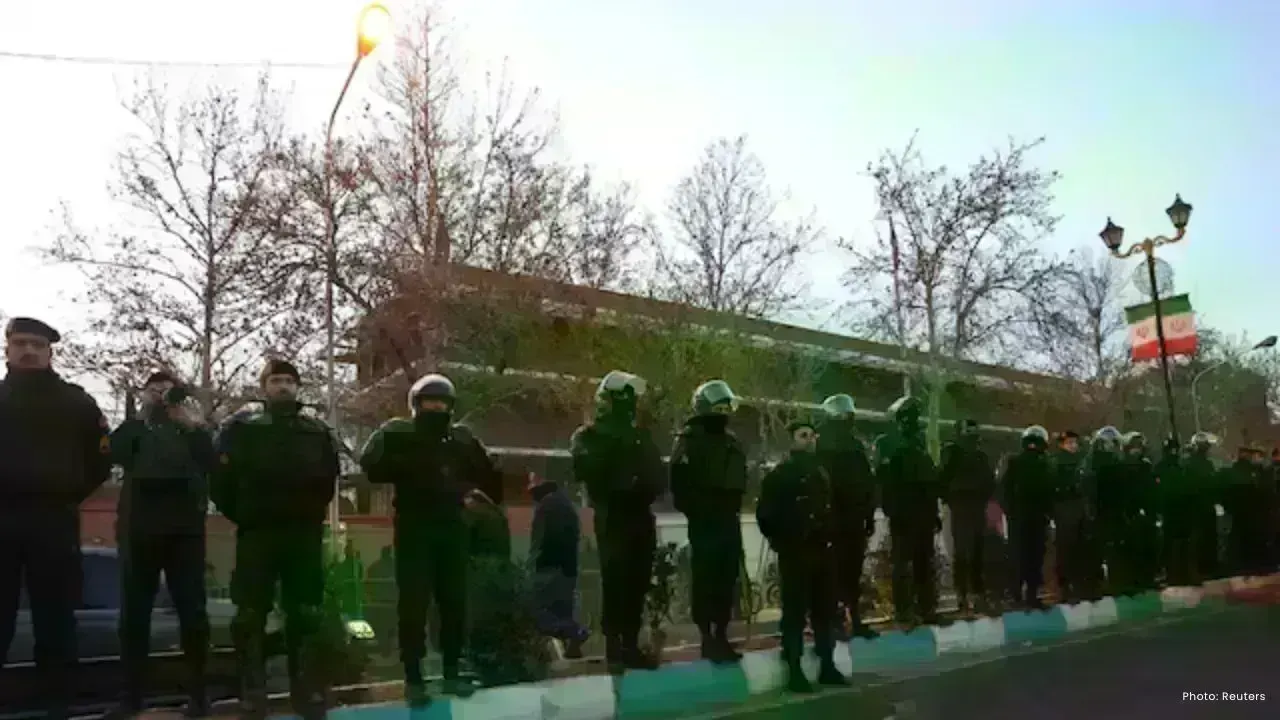
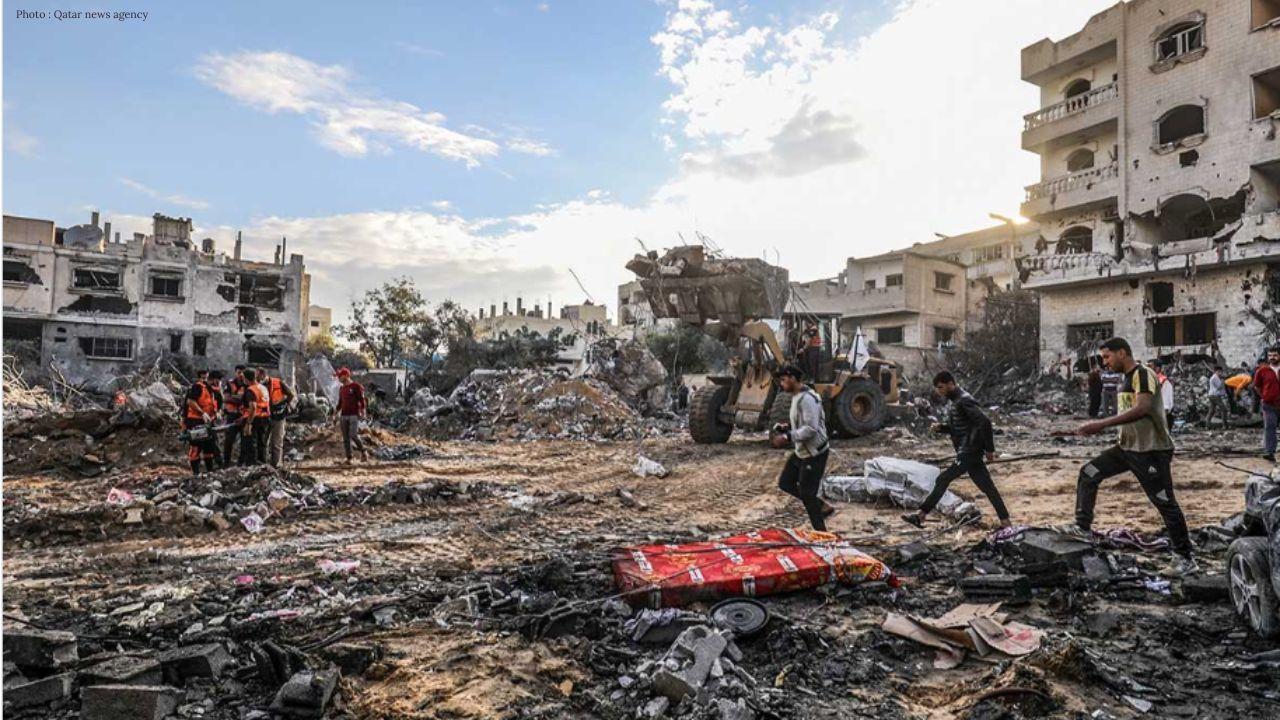
According to human rights organizations, more than 3,000 individuals have died as a result of the national protests in Iran. This unrest, which began in late December, marks one of the most lethal instances of internal strife since the Islamic Revolution in 1979.
A rights group based in the U.S. has estimated that at least 3,090 lives have been lost, including nearly 2,900 protesters. These figures have been corroborated through family reports, local testimonials, and online documentation. The fatalities occurred as security forces implemented aggressive measures to suppress the demonstrations across the nation.
The protests erupted on December 28 due to escalating prices, unemployment, and significant economic distress. As discontent grew, the movement transitioned to broader demands for political reform and an end to clerical governance. Major demonstrations took place in Tehran and other cities, leading to confrontations between protesters and security personnel.
Recently, reports indicate a quieter atmosphere on the streets. Residents in Tehran have noted a lack of major protests for several days. Surveillance drones have been observed flying above, indicating heightened security. Additionally, crowds in other cities have thinned, suggesting a deceleration in protests as a result of the crackdown.
A critical strategy employed by the authorities has been an extensive internet shutdown. Iran faced nearly eight days of a near-total blackout, complicating communication and information sharing. Internet monitoring organizations have reported a minor increase in connectivity, yet access remains significantly below normal levels. Some Iranians living abroad noted brief contact with relatives still in the country.
The international community has taken notice as violence reports escalate. U.S. President Donald Trump stated that the Iranian authorities appear to have halted planned executions of protesters, although Iran has not formally confirmed these allegations. Rights organizations continue to express concern over the risks faced by detainees.
Foreign nationals in Iran have also faced complications. Indian students and pilgrims returning home reported being largely confined indoors and were unable to reach their families during the blackout. One medical student recounted witnessing fear and anger on the streets, along with violent clashes.
The Indian government has confirmed that commercial flight services are still active and is taking measures to safeguard Indian citizens in Iran. Other nations are vigilantly observing the developments, given concerns regarding human rights and regional stability.
While the atmosphere may seem calmer, activists caution that underlying fear, arrests, and profound public dissatisfaction persist. The full ramifications of the protests may only be revealed in the upcoming weeks, leaving many Iranians grappling with profound losses that may take time to heal.


 English