Post by : Saif
Al-Najjar
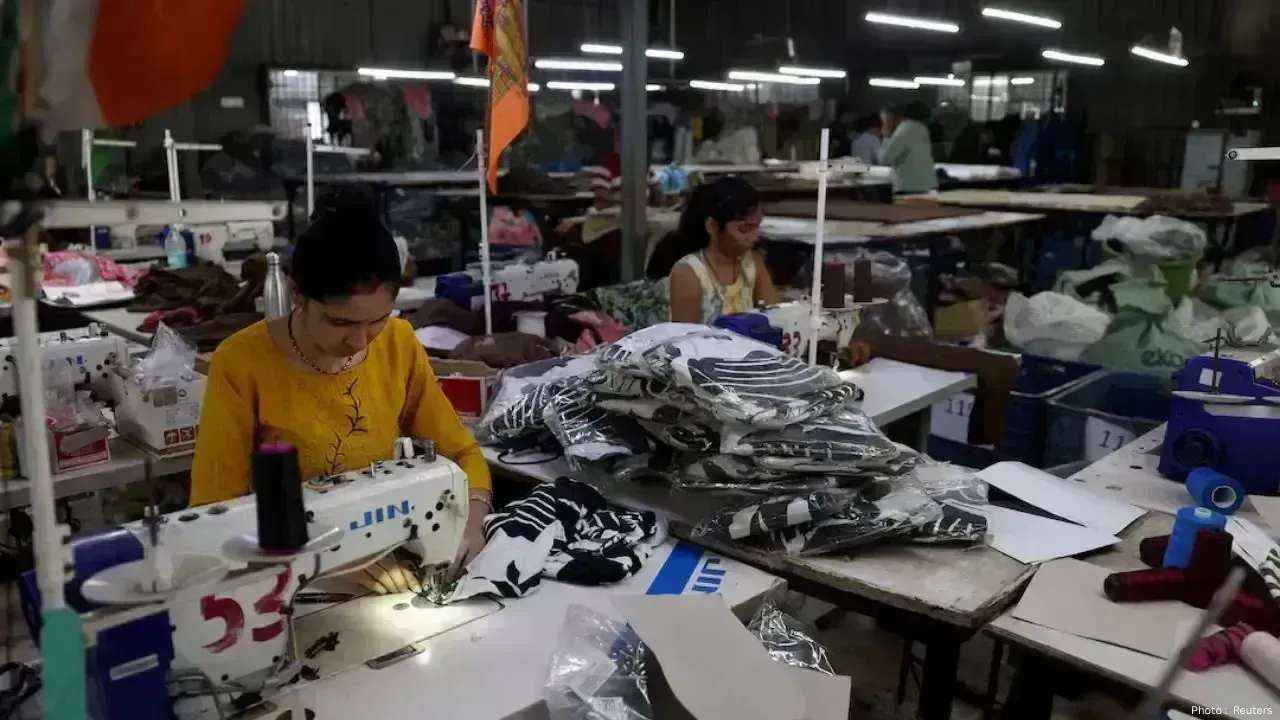
Rising tensions involving Iran are not only shaking political grounds and oil markets but are rapidly extending their influence into the global fashion scene. Asia’s textile industry, particularly the polyester sector, is now grappling with a new set of challenges crucial to the fast fashion phenomenon worldwide.
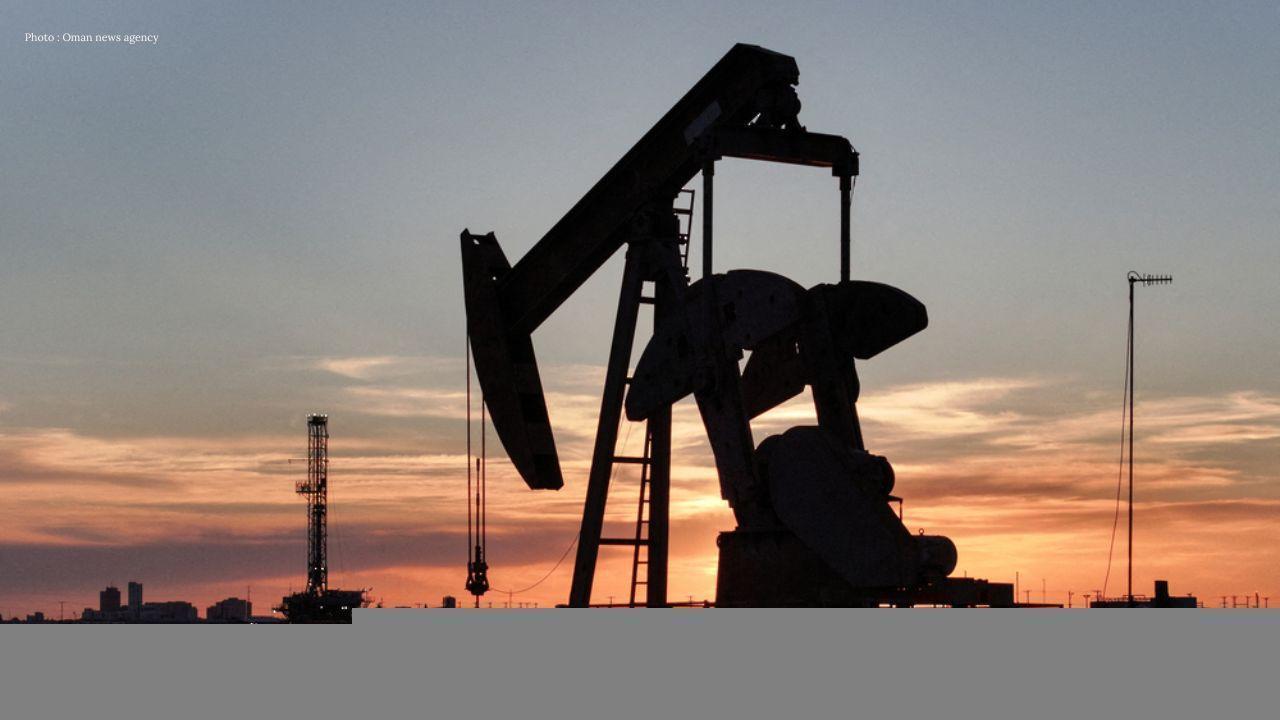
Polyester, widely used in various garments including sportswear, casual attire, and formal wear, derives from petroleum. As such, its pricing is inextricably tied to fluctuations in oil market values. The ongoing crisis has driven oil prices up, consequently pushing polyester production costs to new heights.
Key manufacturing hubs like India and Bangladesh are particularly feeling the crunch. Factories in these nations rely significantly on imported materials and consistent energy sources. With the current turmoil, both have faced escalating costs and logistical difficulties.
Reports indicate nearly a 30 percent surge in the prices of primary ingredients essential for polyester production, including purified terephthalic acid (PTA) and monoethylene glycol (MEG). This spike has prompted numerous manufacturers to reduce output or struggle to keep pace with global demand.
The repercussions extend beyond factories. An increase in costs ripples throughout the entire supply chain, affecting not just raw materials but also chemicals, dyes, and transportation. In several regions, even basic utilities like cooking gas are becoming scarce, resulting in labor shortages in crucial textile manufacturing areas.
From an editorial stance, the unfolding situation underscores the intricate interconnections of the global economy. A single conflict can have far-reaching consequences for industries located thousands of miles away. The fashion sector, reliant on rapid production and minimal costs, is especially vulnerable to such disturbances.
Fast fashion retailers like Zara and H&M, which depend heavily on Asian manufacturers for cost-effective clothing production, find themselves at a critical juncture. Faced with ballooning production costs, these companies must determine whether to absorb the financial strain or pass on the costs to consumers.
For the time being, some retailers are shielded by prior orders they placed. However, this temporary buffer may soon run out. With new orders anticipated, increased raw material costs are poised to elevate retail prices, potentially impacting consumers globally.
This evolving crisis also poses challenges for related sectors that are dependent on petrochemicals. Common products ranging from footwear to packaging materials rely on oil-based constituents. As oil prices continue to climb, the production expenses for these items are rising as well, contributing to overall inflationary pressures across various markets.
A pressing concern is the long-term stability of the polyester market, which constitutes approximately 59 percent of all fibers used worldwide. Such a heavy reliance implies that any disruption in oil supply could dramatically influence the entire fashion landscape.
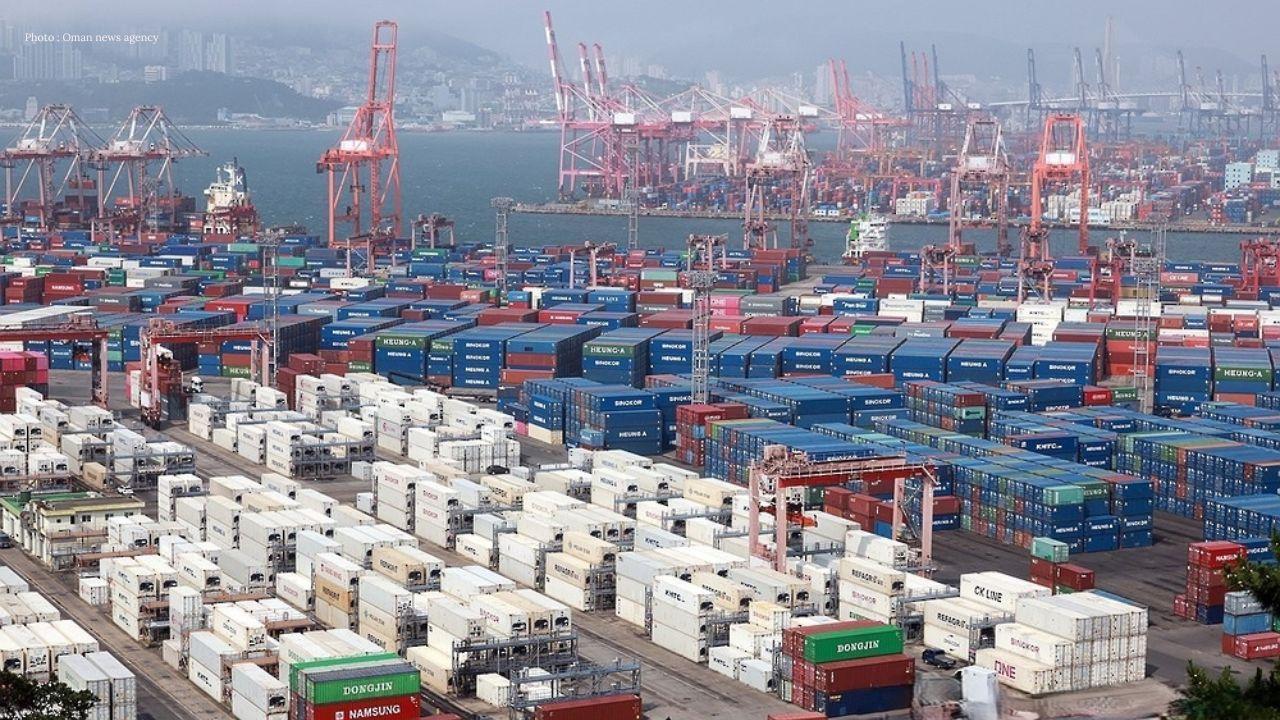
This scenario further exposes the fragility of limited supply routes. The Strait of Hormuz, crucial for oil shipments, plays a pivotal role in this crisis, as any interruptions there could have repercussions not just on energy markets but also on industries reliant on petroleum derivatives.
For many Asian nations, the stakes are even higher, as they depend predominantly on Middle Eastern oil for their industrial operations. Disruptions in supply can lead to reduced production, escalating costs, and hindered economic growth.
The unfolding crisis raises critical inquiries about the future of global supply chains. Businesses may soon need to reconsider procurement strategies and adopt risk management measures. Diversifying supply chains and seeking alternative materials might become increasingly vital as the landscape evolves.
This current predicament is a potent reminder that industries like fashion operate within an interconnected global framework, influenced by geopolitical events and energy fluctuations. With ongoing tensions, the textile sector is likely to face continuous pressure.
The upcoming months will be pivotal. If the situation persists, the fallout could deepen, leading to steep price hikes, diminished production capacity, and a potential slowdown in the global fashion marketplace.


 English