Post by : Anis
Al-Rashid
Repercussions of Global Conflicts
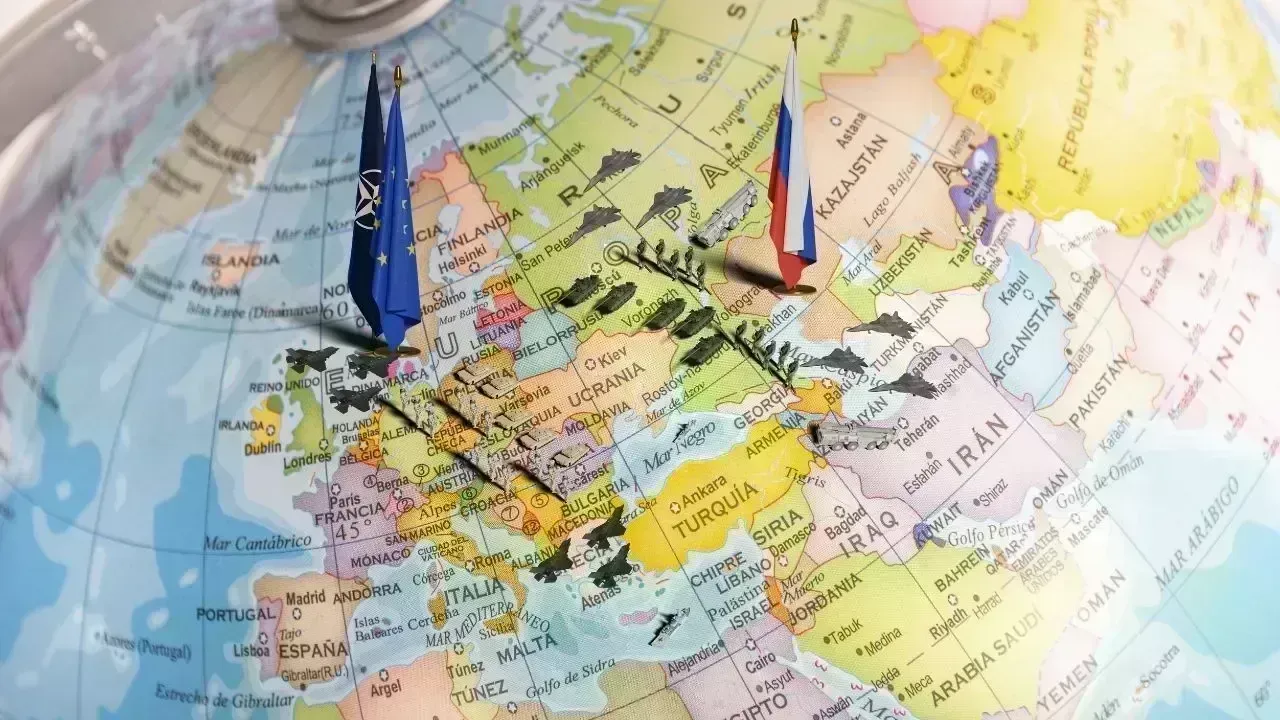
Geopolitical conflicts are no longer just topics discussed by experts; they now have a direct impact on our daily lives. A conflict far away can lead to higher prices at the gas station. Issues between major economies can drive up costs for essentials like food, smartphones, and medications.
In recent times, global politics have become intertwined with personal life. Crises, sanctions, and trade disruptions are not just abstract concepts but are affecting economic choices, consumer habits, and mental well-being.
Rising Living Costs from Global Instability
One of the most immediate effects of geopolitical tensions is the rise in living expenses. Prices for energy, food, and transport are particularly susceptible to international instability.
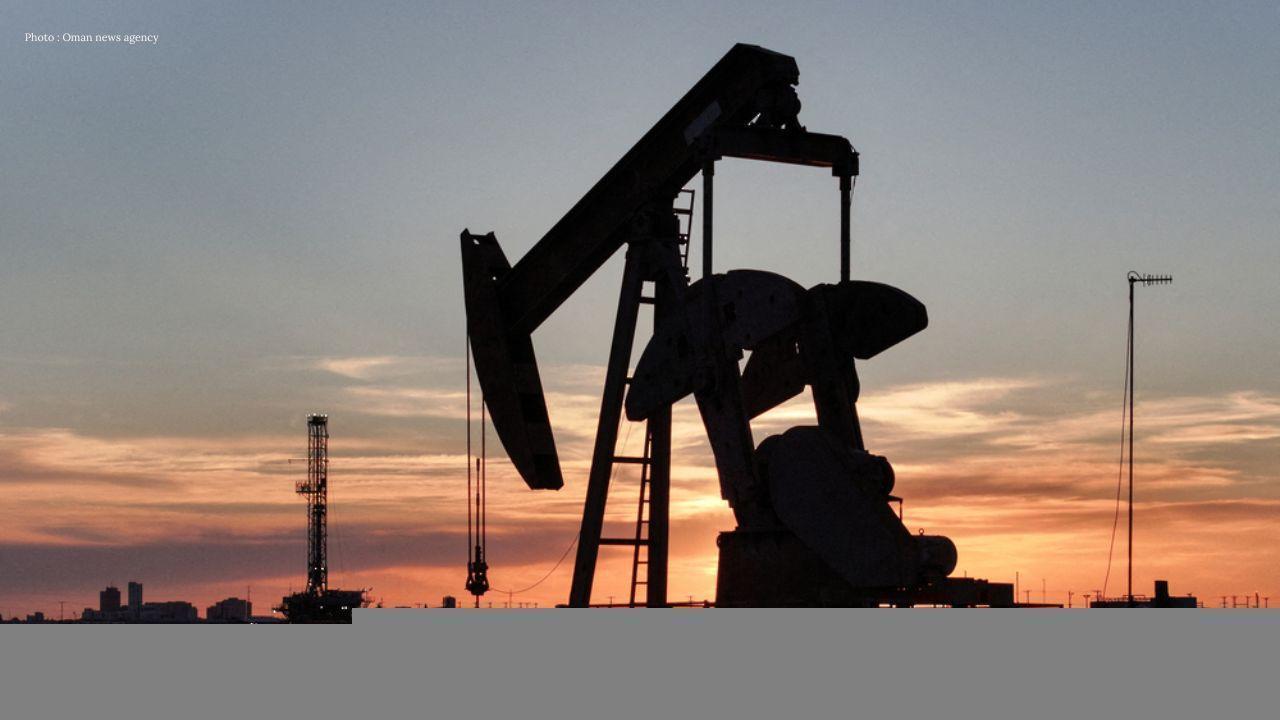
Conflicts disrupting key oil-producing regions or vital trade routes typically lead to increased fuel prices, which ripple through the economy. Households often experience these changes before policymakers can react.
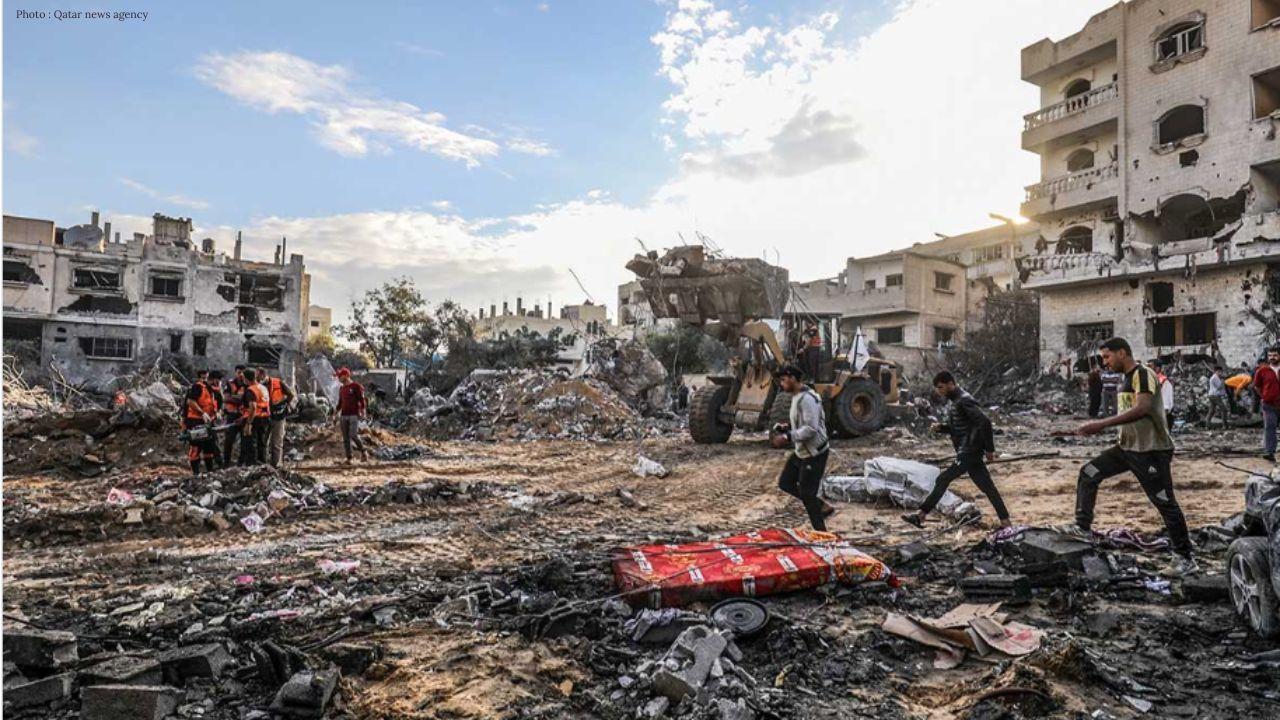
Instabilities in areas like the Middle East or Eastern Europe repeatedly highlight how price stability can be easily disrupted, even by the mere threat of escalation.
Food Security and Supply Chain Vulnerabilities
Food security has emerged as a significant victim of geopolitical uncertainty. Modern food systems are heavily reliant on global trade for essential resources like grains and fertilizers. Interruptions due to conflict lead to shortages and price hikes.
For instance, the ongoing war in Ukraine has starkly illustrated how reliant global markets are on a few key agricultural suppliers, resulting in price increases felt worldwide.
This creates financial strain for families, necessitating budgeting changes and diet adjustments. For lower-income households, rising food prices can escalate into more severe crises.
Employment and Business Stability
Employment prospects and business sustainability are also at risk due to geopolitical issues. Industries like manufacturing and technology are particularly vulnerable to changing political landscapes.
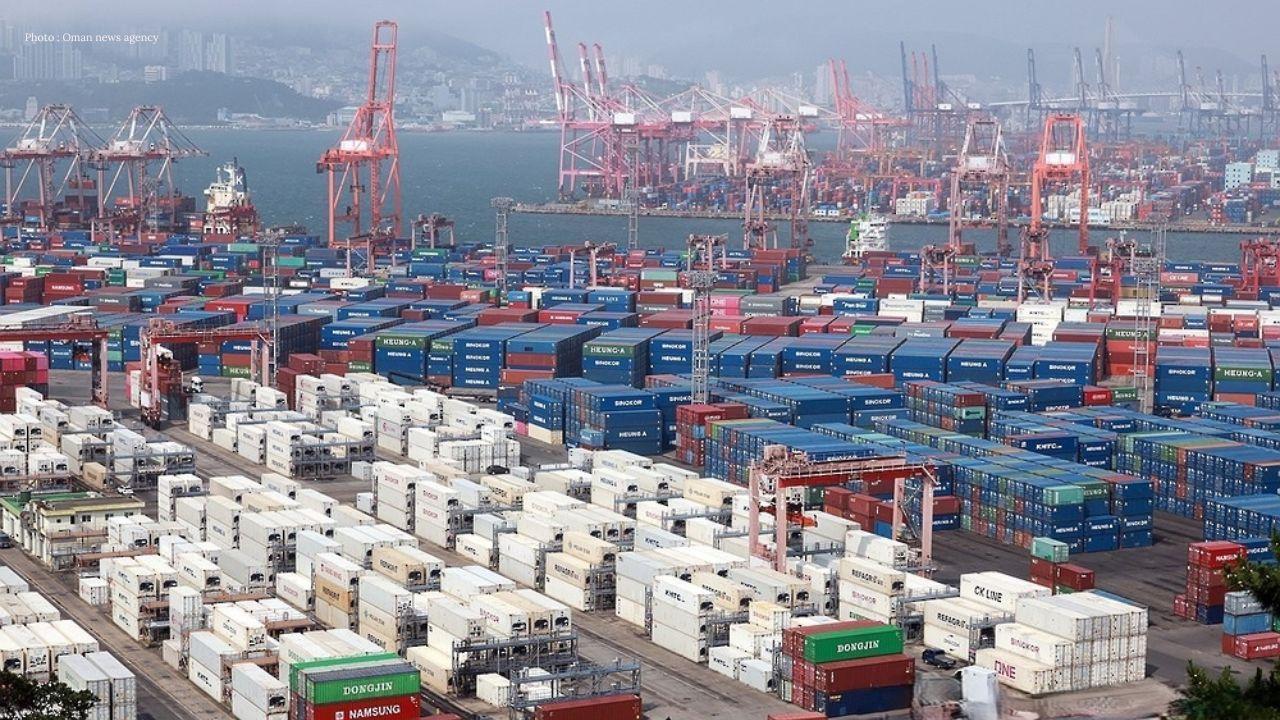
Sanctions and deterioting trade relations may result in restricted access to markets, resources, or technology, leading to job freezes, layoffs, or stalled investments. Companies may feel the impact even without direct ties to conflict areas, as weakened consumer demand can disrupt supply chains.
This financial uncertainty trickles down to workers, creating job insecurity and inhibiting wage growth, presenting a particularly sharp challenge for younger professionals.
Travel and Tourism Altered by Global Tensions
Travel has become significantly more complicated amid geopolitical strife. Issues like airspace restrictions and security concerns affect flight availability and pricing.
Tourism industries feel the strains of global tensions as families postpone trips, students reconsider overseas studies, and professionals face hurdles for international work.
Visa regulations and changing diplomatic relationships greatly influence travel opportunities, making mobility feel increasingly precarious.
Energy Costs and Consumer Decisions
Energy is one of the most politically charged commodities today. Conflicts in oil-producing regions pose significant concerns for both governments and consumers alike.
Higher energy costs directly affect household budgets and business operations, often resulting in higher prices for consumers. In colder regions, fluctuations can pose serious challenges for survival rather than mere inconvenience.
Discussions around renewable energy sources and energy autonomy are increasing, but such transitions take time, thereby leaving consumers vulnerable in the meantime.
Mental Health Amid Ongoing Crises
The psychological toll of constant geopolitical shifts is significant. Prolonged exposure to information regarding instability leads to heightened anxiety about future safety and well-being.
This ongoing tension impacts mental health, especially among young people growing up in an era marked by financial crises and conflicts.
An escalating concern about uncontrollable global events contributes to feelings of emotional fatigue and helplessness.
Technology and Digital Security Challenges
Geopolitical rivalries extend into the realm of technology. Issues such as data privacy and cybersecurity are now personal concerns rather than purely corporate matters.
As geopolitical tensions influence technology access and popularity of services, individuals encounter direct consequences, from increased prices for devices to service limitations.
Cybersecurity fears rooted in international conflicts have made it essential for everyday users to prioritize their online safety.
The Politicization of Daily Life
Today's political climate has resulted in everyday decisions being filtered through a geopolitical lens. Choices about purchases, travel, and information consumption are informed by global tensions.
People are increasingly cognizant of how geopolitical dynamics shape their lives, creating a reality where isolation is no longer an option.
Adapting in an Uncertain World
While the nature of geopolitical tensions fluctuates, their effects are lasting. Markets are slow to adapt, and eroded trust is hard to restore.
For individuals, this means cultivating financial prudence, emotional resilience, and global awareness. While most people cannot influence international politics, they must navigate its consequences.
Navigating today's world involves coping with uncertainty—learning to plan and hope in an era where stability is no longer a given.
Conclusion: Personal Implications of Global Politics
Geopolitical conflicts, once the concern of policy experts, increasingly shape our daily realities through impacts on costs, job security, and personal well-being. The global is now unequivocally personal.
As power dynamics shift and conflicts remain unresolved, individuals must adapt and comprehend how geopolitical variables influence their lives.
Disclaimer:
This article serves informational purposes only. The complexities of geopolitical developments mean their impacts can differ significantly across various regions.


 English