Post by : Bianca
Haleem
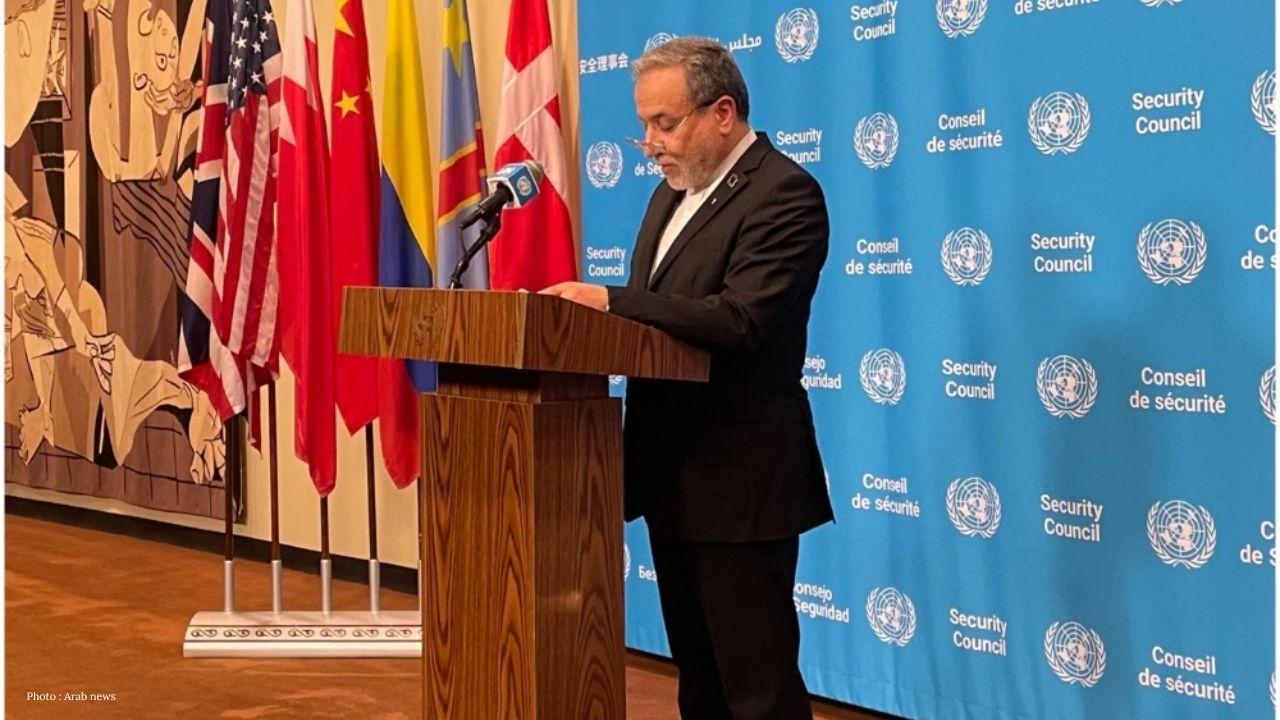
Reports indicate that the United States and Iran are nearing a significant ceasefire agreement designed to ease tensions in the Middle East and resume discussions about Iran's nuclear activities. It is believed that both parties have reached a memorandum of understanding (MoU) that would prolong the fragile ceasefire for an additional 60 days while formal negotiations proceed.
Nevertheless, US Vice President JD Vance stated that final approval from President Donald Trump is still pending. He noted during a press conference that dialogue is ongoing regarding certain aspects of the agreement's wording.
Iranian media outlets have also observed that the document is not yet finalized. Sources familiar with the Tehran negotiations claimed that any official declaration would have to come directly from Iran rather than through US announcements.
If sanctioned, the agreement is set to act as a foundational framework for broader discussions focusing on Iran’s nuclear endeavors, US sanctions, and long-term regional peace.
Key Elements of the Proposed Agreement
Strait of Hormuz and Shipping Activities
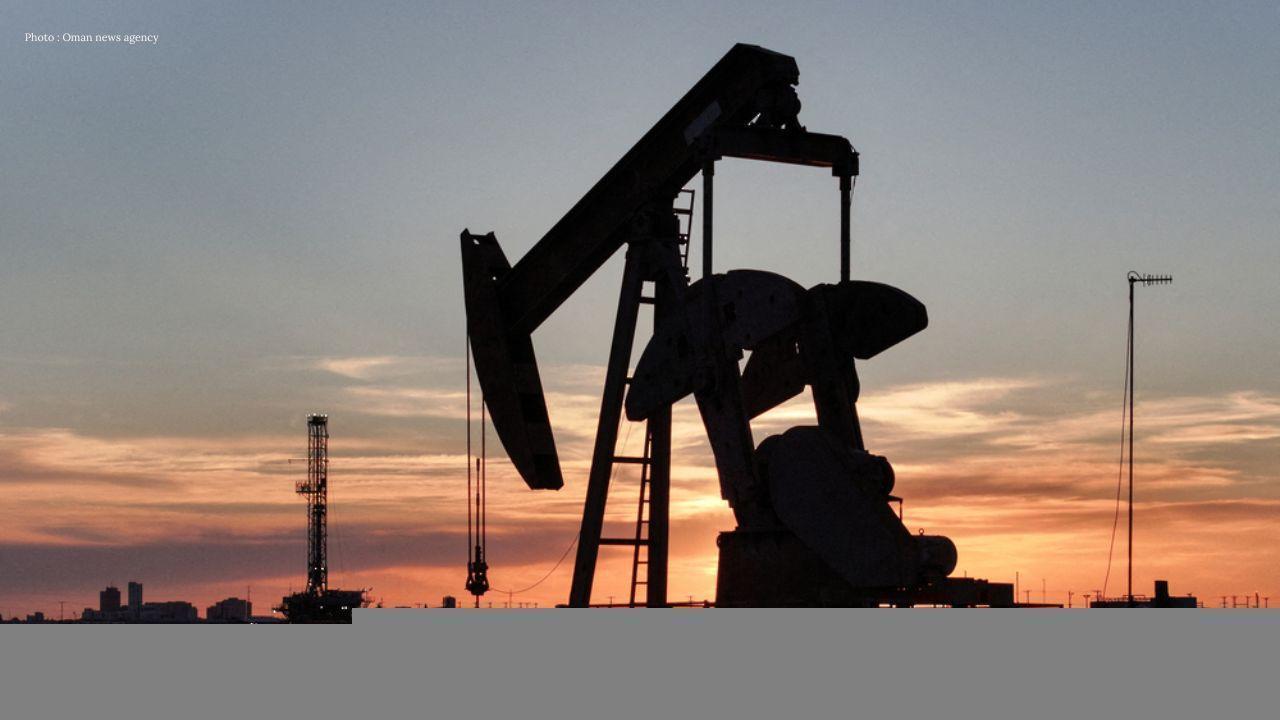
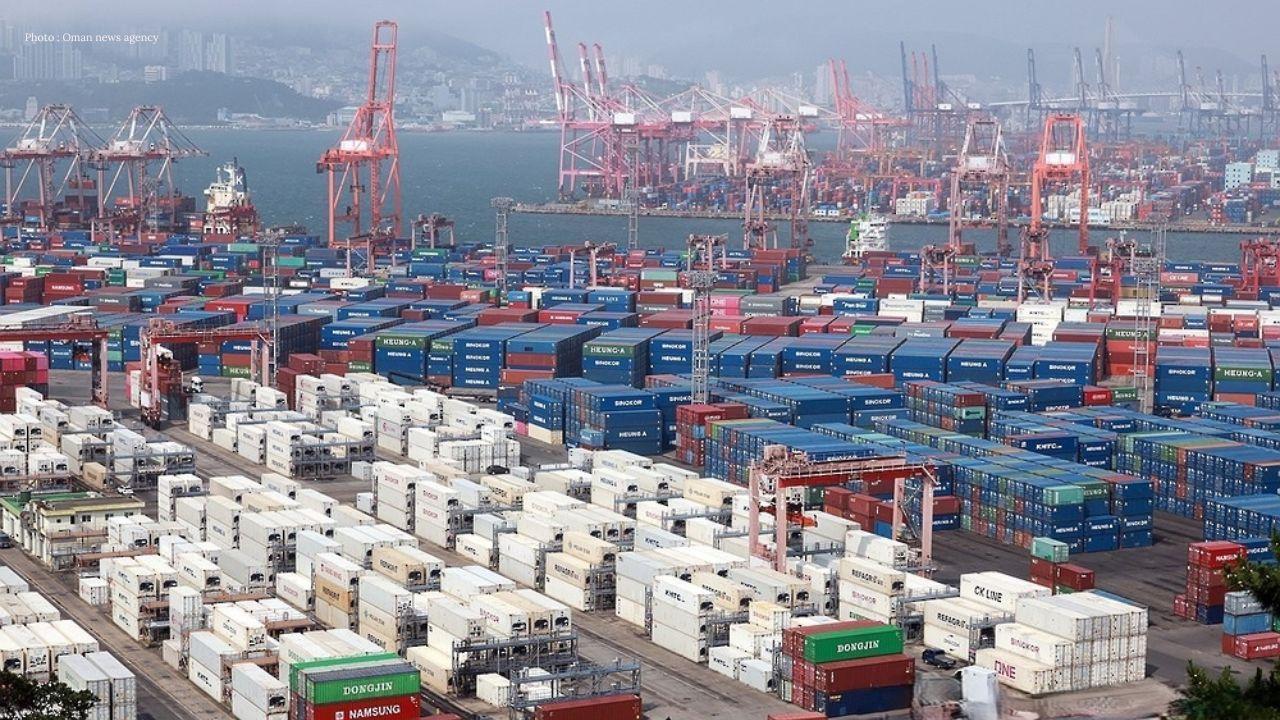
One key element of the proposal concerns the Strait of Hormuz, an essential maritime route for oil and gas shipments worldwide.
As per the draft terms:
-
Iran would eliminate naval mines from the region within 30 days.
-
Commercial vessels would be permitted to transit freely without harassment or additional charges.
-
The US would gradually ease its naval blockade following the resumption of regular commercial traffic.
However, discrepancies between the two nations regarding the timeline for lifting the blockade still persist.
Iran’s Nuclear Initiative
The agreement additionally includes provisions to initiate talks concerning Iran’s nuclear initiatives.
As per reports:
-
Iran would agree to refrain from the pursuit of nuclear weaponry.
-
Both nations would engage in discussions regarding the status of Iran’s enriched uranium stockpile.
-
Negotiators would establish protocols for uranium enrichment and nuclear oversight.
Reports indicate that Iran is currently in possession of approximately 970 pounds of highly enriched uranium, along with several tons of lower-enriched materials that need to be addressed in negotiations.
US Sanctions and Released Assets
The proposed accord also contemplates discussions surrounding the alleviation of US sanctions against Iran.
Expected topics for dialogue include:
-
Potential sanctions relief.
-
Accessibility to Iranian assets frozen abroad.
-
Mechanisms for humanitarian aid and supply.
Iran is estimated to have around $24 billion held in foreign banks and seeks access to a substantial fraction of these funds.
Lebanon and Regional Dynamics
An additional crucial aspect of the proposal pertains to the conflict between Israel and Hezbollah in Lebanon.
The framework reportedly includes measures to diminish any aggression and avert escalations on multiple fronts throughout the negotiation phase. This matter has recently caused tensions between US President Donald Trump and Israeli Prime Minister Benjamin Netanyahu.
$300 Billion Investment Initiative
One noteworthy component of the reported deal is an international investment plan for Iran.
Sources claim:
-
The US may assist in creating a $300 billion fund for reconstruction and investment, contingent upon the achievement of a final peace accord.
-
Iran has expressed openness to allowing US companies in the oil and energy sector to invest through partnerships and joint ventures.
Diplomats have labeled this proposal a prospective long-term economic strategy that would proceed only if broader negotiations are fruitful.
Significant Unresolved Issues
Despite advances, several critical disagreements linger unresolved.
Reports highlight that:
-
It remains uncertain whether both parties are referring to the same draft of the memorandum.
-
Conflicts exist over how the ceasefire should be defined and its duration.
-
Iran is seeking a formal declaration to conclude hostilities across all fronts during the negotiation process.
-
The US favors a temporary ceasefire connected to ongoing discussions.
Further disagreements also pertain to the timeline for lifting restrictions in the Strait of Hormuz and the prerequisites Iran must fulfill.
For the interim, mediators from Pakistan and Qatar are facilitating ongoing negotiations as both nations strive for a final agreement that could transform security and diplomacy in the Middle East.


 English