Post by : Anis
Al-Rashid
Gold Futures: A Complex Landscape Ahead
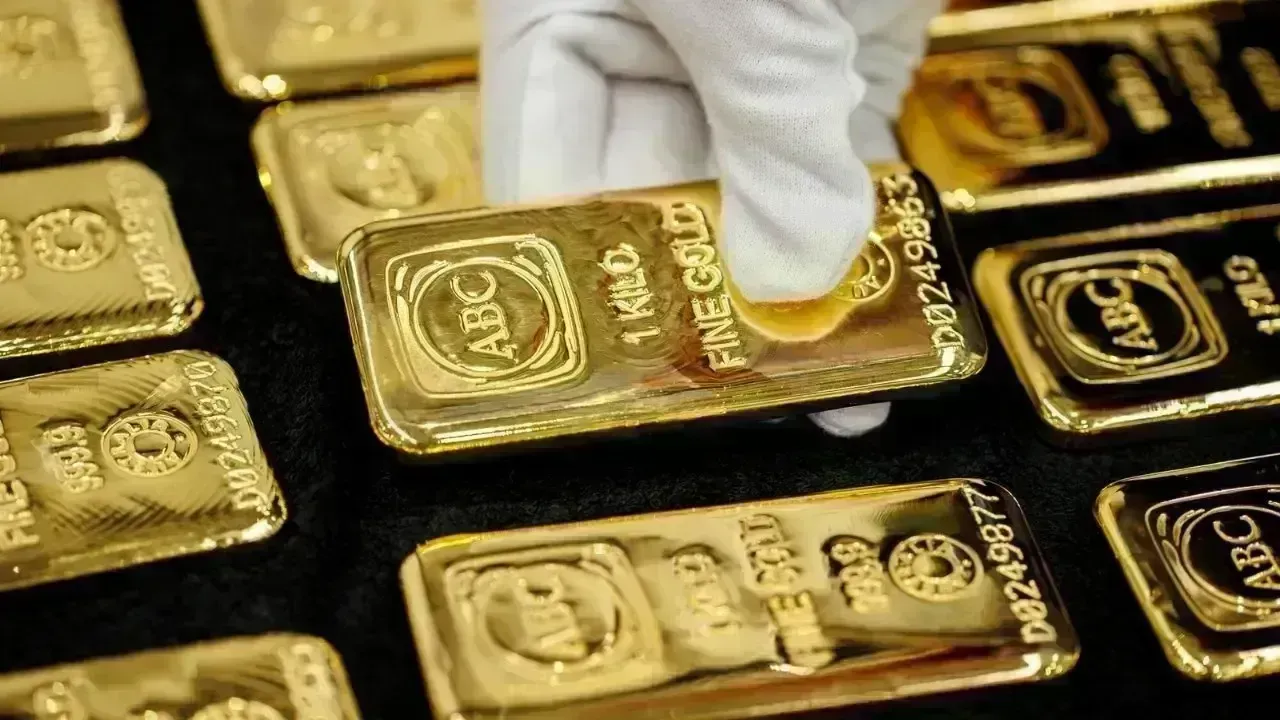
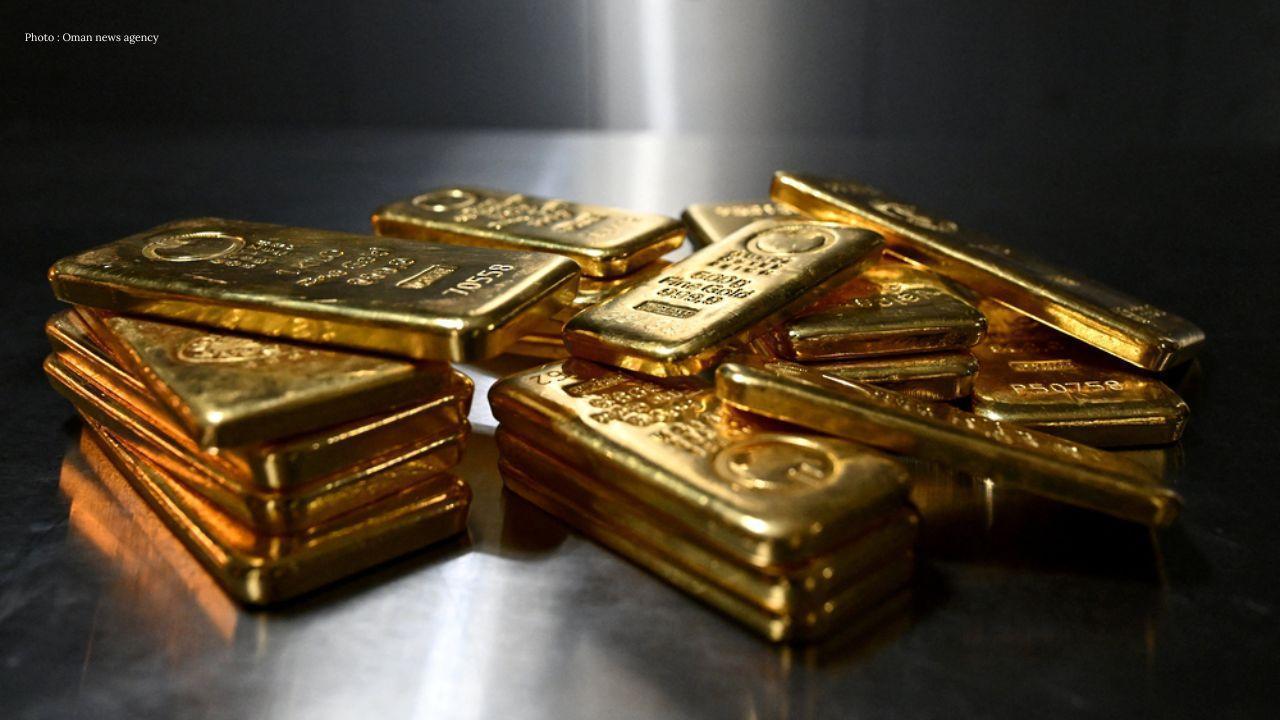
Gold futures — contracts enabling predictions about the future pricing of gold — find themselves under scrutiny in the early months of 2026. Once regarded as a safe haven, gold now faces a mix of economic challenges and political pressures that threaten to steer its price in unexpected directions. Key factors include inflation worries, geopolitical unrest, uncertainty around U.S. Federal Reserve policies, and macroeconomic trends that add layers of risk to the gold market.
Amid a backdrop of mixed signals — with a stronger U.S. economy supporting the dollar, yet political uncertainties shaking confidence in central bank independence — traders must navigate dual forces influencing gold prices. This article delves into the factors shaping inflation perceptions, political dynamics, and the overall risk surrounding gold futures in 2026.
What Is Influencing Inflation Concerns and Safe-Haven Demand?
Inflation Projections and Real Yields
Inflation remains a key element driving gold price forecasts — as prices for goods and services increase, purchasing power diminishes. When fears of inflation grow, real yields (returns adjusted for inflation) usually decline, amplifying gold's allure since it offers no interest but retains fundamental worth. Analysts have highlighted a global surge in inflation expectations, bringing gold back into focus as a hedge against currency devaluation and escalating living costs.
However, inflation trends are not isolated; they are shaped by central bank policies, currency strength, energy costs, and broader global economic conditions. If inflation continues its upward trajectory while central banks opt for loose monetary strategies, gold may thrive. In contrast, if inflation subsides and rate hikes loom, the appeal of gold could diminish.
Macro Forces and Safe-Haven Investments
Gold's reputation as a safe haven typically shines during uncertain times — whether economic, financial, or political. Current reports indicate that geopolitical disturbances and political events have heightened interest in gold and other precious metals as investors pursue trusted assets in times of turmoil. Gold's historical role as a monetary asset reinforces its importance in safeguarding purchasing power in stressful market conditions.
For instance, rising concerns about global instability — stemming from U.S. political news and tensions in the Middle East — have bolstered gold's safe-haven appeal. Such dynamics heighten investor demand during volatile times, exerting upward pressure on futures prices despite mixed economic indicators.
Political Influences Intensifying Market Ambiguity
Central Bank Independence and Investor Trust
A prominent political narrative shaping gold markets in early 2026 involves discussions surrounding the independence of major central banks, especially the U.S. Federal Reserve. Reports of a criminal investigation into the Federal Reserve Chair in mid-January 2026 have heightened concerns about political interference, leading to significant market shifts: the U.S. dollar weakened and gold hit new highs as investors recalibrated their perspectives on monetary risk.
Central bank independence is vital for maintaining trust in monetary policy. If political motives appear to sway rate decisions — prioritizing political agendas over economic indicators — uncertainty about future interest rates and inflation could arise, impacting currency values and commodities, including gold.
Geopolitical Instabilities and Policy Changes
Political events, beyond central bank independence, also significantly influence gold markets. Global geopolitical tensions — in regions like the Middle East, Eastern Europe, or Asia — often act as triggers for safe-haven investments. Increased military threats, sanctions, or diplomatic spats can entice investors towards gold, driving futures prices upwards.
Additionally, trade strategies and tariff choices from major economies, particularly the U.S. and China, can also influence gold price trajectories by affecting inflation expectations and exchange rates. Such anticipations can inject volatility into precious metals markets.
Technical and Structural Market Dynamics
Price Trends Alongside Rangebound Activity
Recent trading activities show that gold futures maintain a rangebound pattern, signaling market hesitation to make decisive price movements. Analysts observe that while gold has tested new highs, prices remain within set technical limits that reflect a precarious balance of bullish and bearish factors. This compression in price that traders experience indicates a quest for clearer signals before making robust positions.
Directional risk here pertains to uncertainty about whether gold will experience a significant price uptick or downturn. With prices at vital technical thresholds — such as support and resistance levels — market shifts could quickly occur based on forthcoming data or market triggers.
Volatility Patterns and Market Momentum
Insights from market structure also highlight volatility patterns. Tighter volatility bands often suggest a consolidation stage, frequently preceding dramatic price shifts once volatility returns. Momentum indicators gleaned from price movements help traders gauge whether gold futures are set for sustained trends or reversals. Analysts propose that gold's subdued momentum, assessed alongside volatility dynamics, implies that risk profiles remain clearly defined, even if directional conviction is low.
Interconnected Market Forces: Currency, Rates, and Commodities
Dollar Trends and Interest Rate Predictions
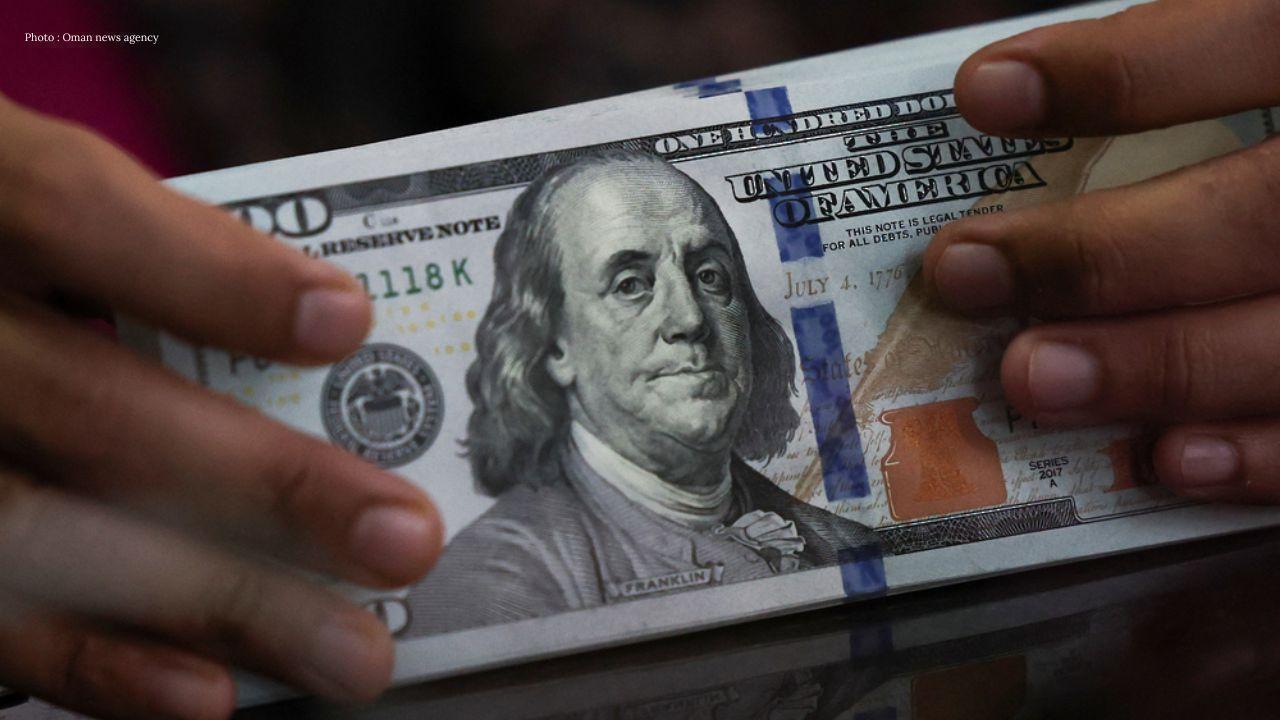
A crucial relationship exists between the U.S. dollar and gold: historically, a firmer dollar negatively affects gold prices, while a weak dollar supports them. Recent developments, including robust economic data strengthening the dollar and reducing rate-cut expectations, have contributed to gold price corrections even amidst resilient safe-haven demand. Traders keenly observe the dollar index, as its fluctuations significantly impact gold's international pricing.
Interest rate trends set by the Federal Reserve and other major central banks are equally critical. Prospective rate cuts generally favor gold, decreasing the opportunity cost of holding non-yielding investments. On the other hand, strong economic performance that delays rate cuts can bolster real yields and hinder potential gold price increases.
Stock Market Relations and Risk Attitudes
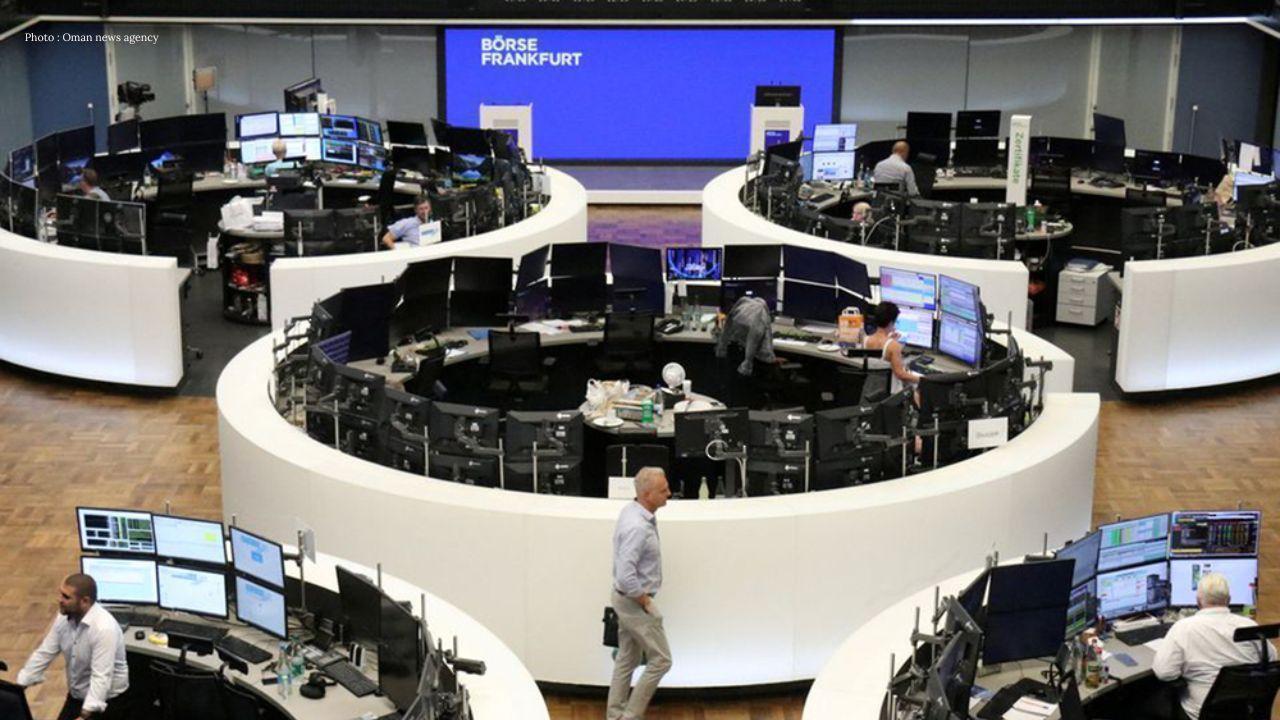
Gold and equity markets frequently exhibit opposing movements: if equities rise due to optimistic growth forecasts, gold may lag; conversely, if stocks fall due to risk aversion, gold usually performs better as investors seek safer instruments. Events that negatively affect stocks — be it political upheaval or disappointing earnings reports — can indirectly enhance gold’s attractiveness. Analysts conclude that fluctuations in stock market indices will likely influence gold futures by shifting broader risk attitudes.
Investment Perspectives and Risk Strategy
Positioning Amid Uncertainty
For those considering gold futures, comprehension of the factors behind directional risk holds immense importance. With inflation expectations, geopolitical dynamics, and central bank strategies influencing pricing, employing multi-faceted approaches for risk management becomes critical. Traders often integrate technical insights, macroeconomic indicators, and geopolitical updates into their market entry and exit strategies.
Diversification serves as a vital risk management mechanism. Despite gold’s traditional inclusion in diversified portfolios, notable shifts in correlations can occur during intense hedging scenarios as markets aggressively pursue safety and liquidity.
Long-Term vs. Short-Term Investment Views
Long-term investors might perceive gold as a safeguard against inflation, currency depreciation, and external systemic risks. Historically, gold has maintained purchasing power over lengthy periods, albeit with defined volatility. On the flip side, short-term traders often prioritize immediate market catalysts — such as central bank decisions or political contexts — using futures or options to exploit anticipated volatility.
Conclusion: Charting the Course through Gold Futures Market Risks
Currently, gold futures are at a pivotal crossroads in 2026, with inflation expectations, geopolitical challenges, and political changes converging to present considerable risk. While traditional demand for gold as a safe haven remains strong, stronger economic signals and shifting central bank policy expectations can introduce counterarguments that might temper price surges. Therefore, traders and investors need to navigate these dynamics to identify the most likely outcomes in an increasingly intricate market landscape.
With market indicators continuing to suggest a consolidation phase, the next larger movement in gold futures will likely hinge on clear economic reports, policy adjustments, or significant geopolitical developments. Understanding how these elements interact is vital for navigating gold’s trajectory in 2026.
Disclaimer:
This analysis is provided for informational purposes and should not be regarded as investment advice. Future market movements are unpredictable, and readers are encouraged to conduct their own research or consult a qualified financial expert before making investment choices.


 English