Post by : Saif
Al-Najjar
With the ceasefire in Gaza advancing into its second phase, many Palestinians find that life remains exceedingly difficult. Although the term “ceasefire” suggests hope, locals assert that what is promised on paper often fails to translate to tangible relief.
This phase aims to manage Gaza’s daily operations and initiate the lengthy process of rehabilitation. A newly formed administrative group of professionals is tasked with overseeing services and reconstruction. While this initiative sounds promising to numerous families, there exists a significant distrust as previous agreements did not yield lasting improvements.
A primary concern for residents is their access to the outside world. Border crossings are still heavily monitored, hindering the supply of food, medications, fuel, and construction resources. Many individuals in need of medical attention continue to struggle to exit Gaza for treatment, and humanitarian aid often trickles in slowly.
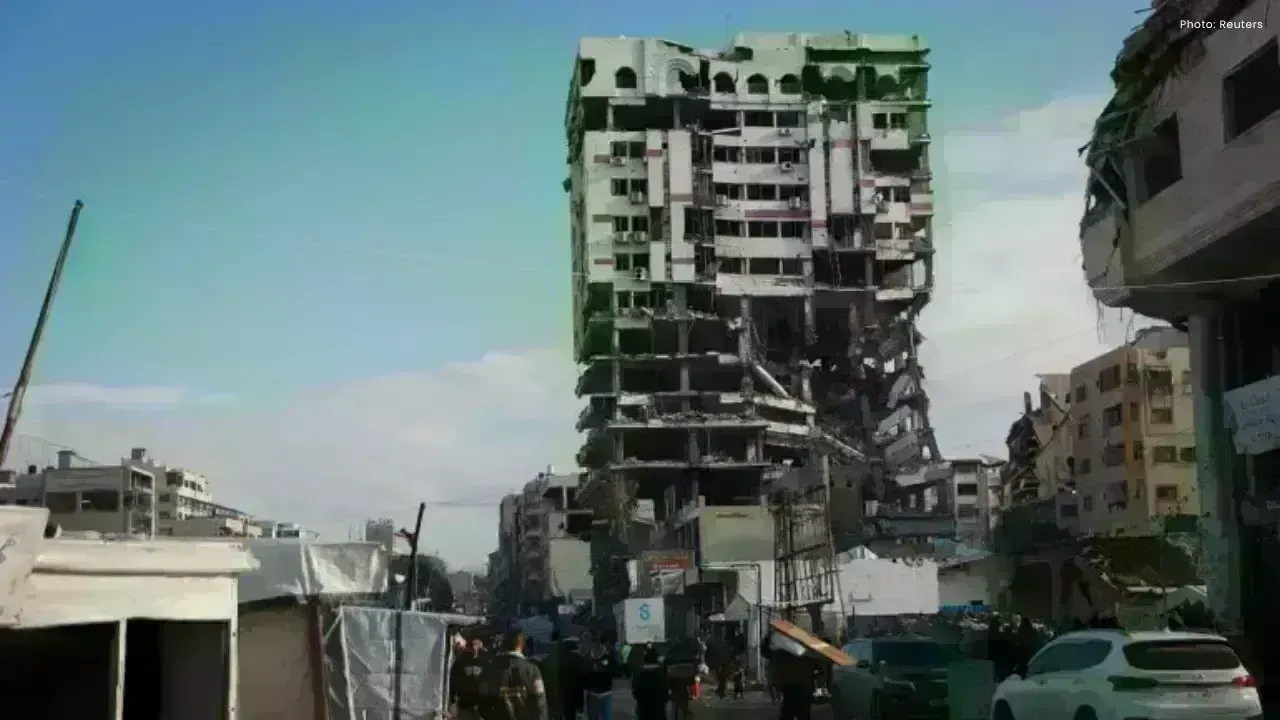
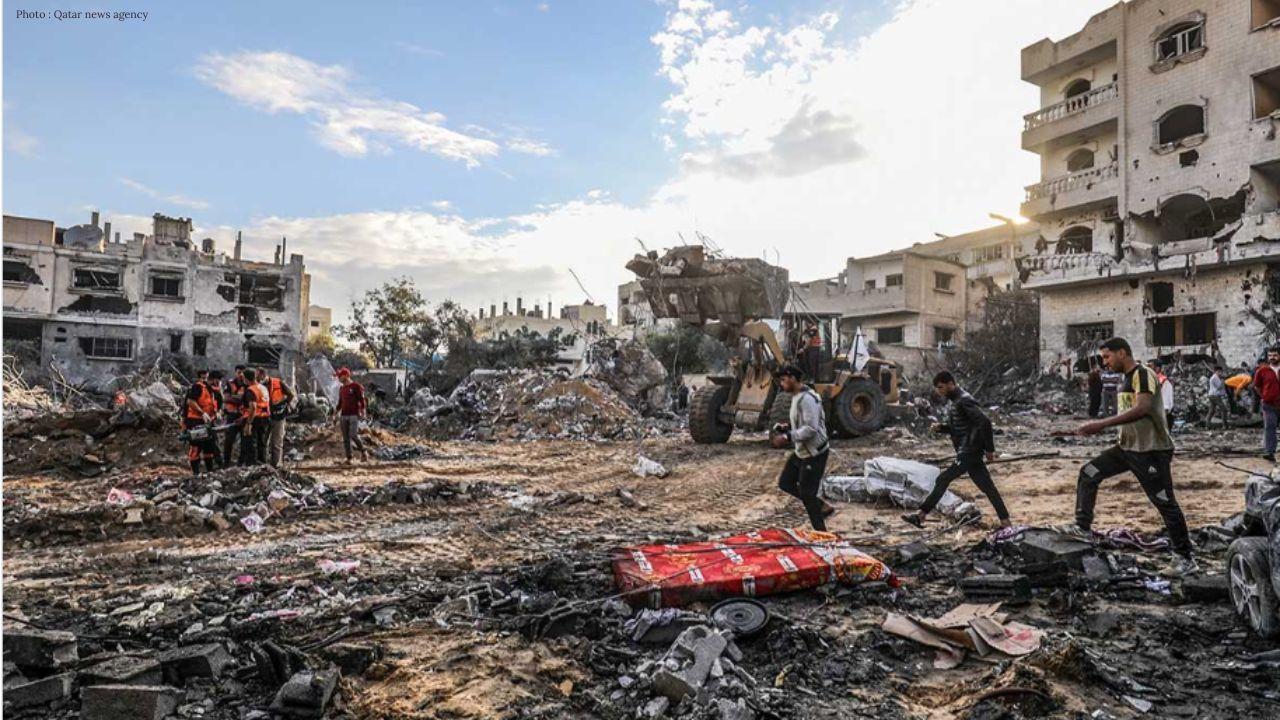
Much of Gaza remains devastated. Homes, schools, hospitals, and roads that suffered damage during the conflicts await reconstruction. Thousands continue to reside in temporary shelters or damaged properties. For these families, the notion of rebuilding seems distant, especially when even basic necessities like clean water and electricity are unreliable.
Security remains a worry among Gaza's populace. Although major combat has subsided, anxiety lingers. Parents are uncertain if their children are genuinely safe, and many fear a resurgence of violence at any moment. This atmosphere of fear complicates family planning.
Additionally, there is skepticism regarding political assurances. Numerous Palestinians express that they have heard robust promises before, yet tangible improvements remain scarce. Without specific actions—like unrestricted humanitarian aid access, freedom of movement, and enduring guarantees—hope stays precarious.
Nevertheless, the desire for peace persists among Gaza’s inhabitants. They aspire to restore their homes, ensure their children’s education, and lead normal lives devoid of fear. The second phase of the ceasefire represents a critical test. Should it yield genuine relief, trust may gradually be rebuilt; otherwise, disappointment may deepen.
At present, Palestinians in Gaza remain observant, awaiting to see if this phase will deliver authentic change or transform into yet another unfulfilled opportunity in a history rife with dashed hopes.


 English