Post by : Sami
Al-Rahmani
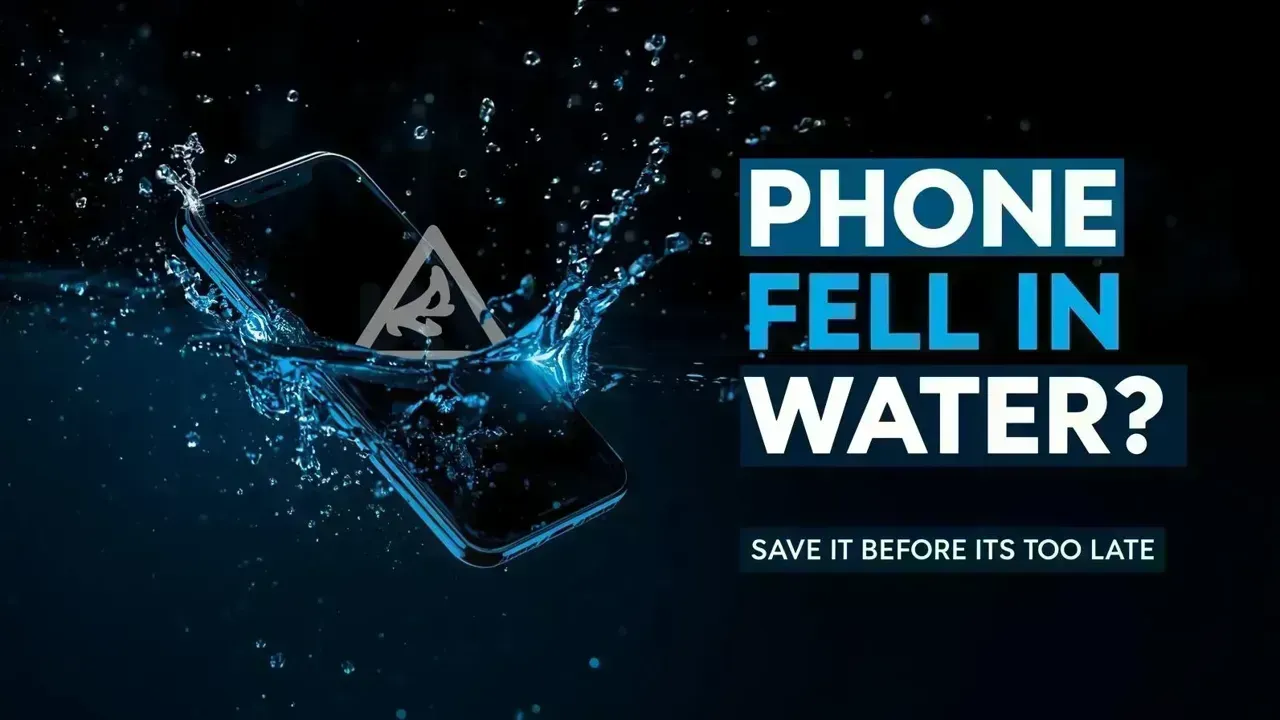
Submerged Your Smartphone? 5 Essential Tips to Rescue Your Wet Device
Accidentally dropping your smartphone in water can lead to panic. Whether it falls into a bucket, a sink, or gets drenched in rain, the moments following the incident are crucial. Many believe their device is beyond saving, but many water-damaged phones can be restored—if appropriate actions are taken swiftly.
Today’s smartphones boast innovative water resistance features, yet this doesn’t equate to being completely waterproof. Even a tiny amount of moisture in the wrong area can severely harm internal components, including circuits, batteries, and displays. Compounding the issue, much of the damage isn’t immediate—it can manifest over time if not addressed correctly.
It’s not just a matter of acting quickly, but acting correctly. Common “quick fixes” can often exacerbate the situation. Knowing the proper steps—and the mistakes to avoid—can mean the difference between salvaging your smartphone or sealing its fate.
Tip 1: Power Off Immediately and Resist the Urge to Check
As soon as your phone comes into contact with water, the foremost action is to power it off. This is the most critical step that many overlook, tempted to check if it still functions.
Why is this step so vital? Inside your device are delicate circuits running electrical currents. Water can create unexpected connections between these circuits, resulting in a short circuit that might damage the motherboard, a costly component to fix.
Even if the phone seems operational after the exposure, leaving it on can escalate internal damage. The safest course is to:
- Shut down the device immediately
- Avoid pressing buttons unnecessarily
- Do not attempt to unlock or access apps
Many individuals make the error of continuously testing the device—turning it on and off, checking screens, or trying to use it. This only increases the risk of damage. Remember: even if the phone survives the water exposure, it might not endure being used while still wet.
If your phone powers down on its own, do not attempt to restart it until you’re certain it’s completely dry.
Tip 2: Remove All Removable Parts for Airflow
Once off, the next step is to detach all external and detachable components. This not only prevents additional damage but also aids the drying process.
Take care to remove:
- SIM card
- Memory card (if applicable)
- Protective case
- Any attached accessories such as earphones or cables
(Removing these components creates openings in the device, enhancing airflow and aiding in evaporation.) Protecting data on the SIM and memory card is also crucial.
Oftentimes, users forget to take off the phone case, which can trap water against the device, prolonging the drying process.
If your phone allows for battery removal, take it out promptly to eliminate power and reduce the risk of electrical interference.
Tip 3: Gently Dry the Device—Avoid Common Errors
Next, gentle drying is necessary. The goal is to eliminate visible water without forcing moisture deeper within the device.
Use a soft, clean cloth or tissue to pat the phone dry, particularly on:
- The screen
- Charging port
- Speaker outlets
- Edges and corners
Avoid vigorous rubbing, as this may push water into crevices. Furthermore, resist the urge to shake the phone—while it might feel like a good idea, doing so can distribute moisture to previously unaffected areas.
A significant mistake is employing heat for drying. Never use:
- Hair dryers
- Heaters
- Microwaves (yes, some attempt this)
- Extended direct sunlight
Heat can damage internal elements, dissolve adhesives, and worsen the situation. Controlled, natural drying tends to be the safest method.
Tip 4: Use Moisture Absorbers—But Choose Wisely
You’ve likely heard that placing a wet phone in rice can help. Although rice absorbs some moisture, it isn’t the most reliable solution and carries its own drawbacks.
A superior alternative is silica gel packets, specifically designed to absorb humidity. These can be found in electronic packaging or shoe boxes. Place your phone inside an airtight container with several silica gel packets for optimal results.
If silica gel isn’t available, rice can serve as a backup. Just remember:
- Prevent rice grains from entering ports
- Use a sealed container for improved effectiveness
- Avoid direct contact with loose rice dust
Leave your phone in this dry environment for at least 24 to 48 hours, as patience is key. Even if the outside feels dry, moisture could linger internally.
Rushing this process often leads to software issues down the line. Many users turn on the device prematurely, jeopardizing all recovery efforts.
Tip 5: Wait to Restart and Inspect Closely
After allowing ample time for drying, you may safely attempt to switch your phone back on—but proceed with caution.
Before turning it on:
- Look for any visible moisture
- Ensure all components are thoroughly dry
- Reinsert SIM and memory card
Upon powering up, observe any unusual behaviors such as:
- Flickering screen
- Overheating
- Issues with sound or microphone
- Problems with charging
If everything appears to function normally, you’ve likely salvaged your device. If not, minimize use and consider consulting a professional technician.
Understanding Long-term Water Damage Risks
Water damage effects can be delayed. Even if your phone works after drying, corrosion can set in later, causing issues days or weeks afterward.
Thus, be sure to:
- Monitor your phone’s functionality
- Backup crucial data immediately
- Steer clear of further moisture exposure
Common Errors That Can Wreck Your Device
Many phones that could have been saved suffer damage due to simple errors. Some common pitfalls include:
- Recharging immediately after exposure
- Using heat for quick drying
- Shaking the device forcefully
- Repeatedly turning it on to “check” its status
Avoiding these errors is as critical as taking the correct steps.
Water Resistance vs Waterproofing Explained
Today's smartphones often advertise water resistance, though this doesn't equate to complete safety against water damage.
Water resistance often protects against:
- Minor splashes
- Rain exposure
- Brief accidental contact with water
However, it does not ensure protection against:
- Prolonged submersion
- Saltwater exposure
- Contact with dirty or soapy water
Even water-resistant smartphones warrant careful handling post-exposure.
Final Thoughts
While dropping your phone in water might seem catastrophic, it doesn’t always spell doom for your device. Your response during those critical moments greatly influences the outcome.
Swift action, mindful avoidance of errors, and allowing sufficient drying time can significantly boost recovery chances. Staying calm, following the proper techniques, and exercising patience are paramount.
A moment of panic can lead to more harm than the water itself, yet a considered approach can preserve both your smartphone and your vital data.
Disclaimer
This article is designed for informational purposes. Outcomes may differ based on device type and the degree of water exposure. For substantial damage, consult a professional technician.


 English