Post by : Saif
Al-Najjar
The recent naval confrontation between the United States and Iran in the Strait of Hormuz has stirred significant worries about escalating conflict across the Middle East, which could jeopardize global oil supplies and international trade. This strategic maritime route is vital for energy flow worldwide.
Almost 20% of the world’s oil passes through the Strait of Hormuz, making it a crucial artery linking key oil-producing nations in the Gulf to global markets. Disruptions here can swiftly impact oil prices, transportation expenses, and the broader economy.
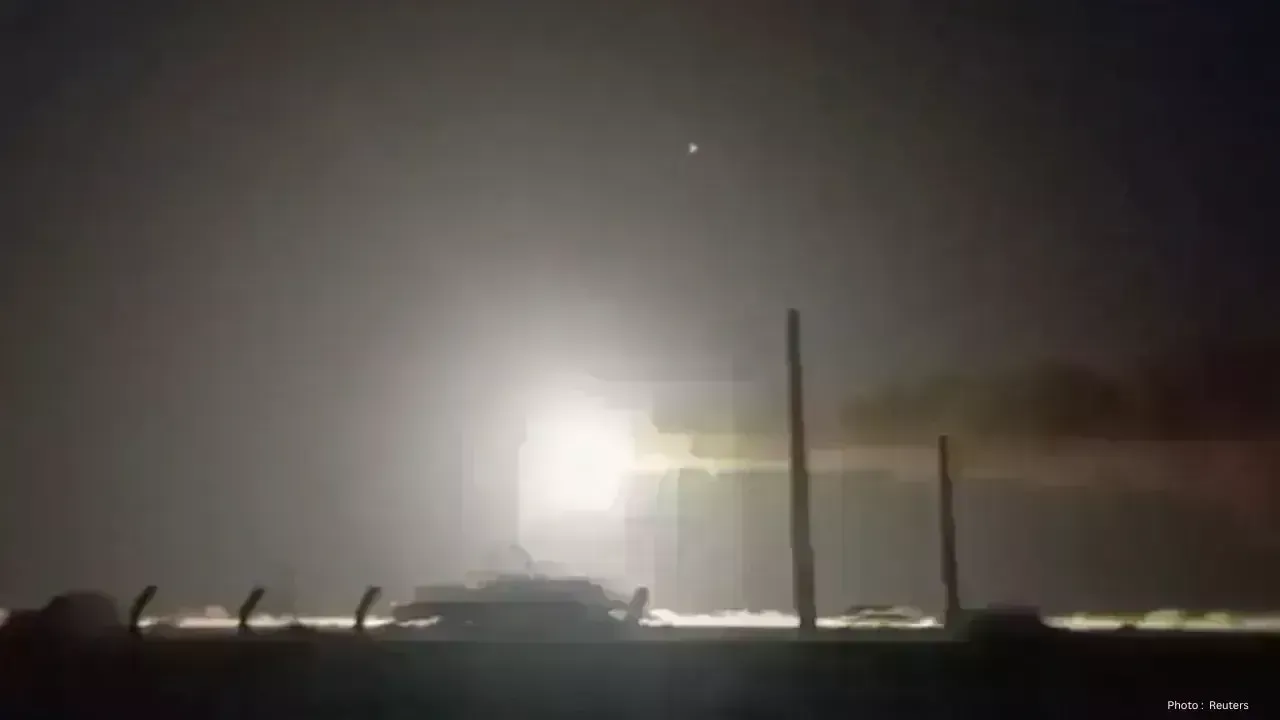
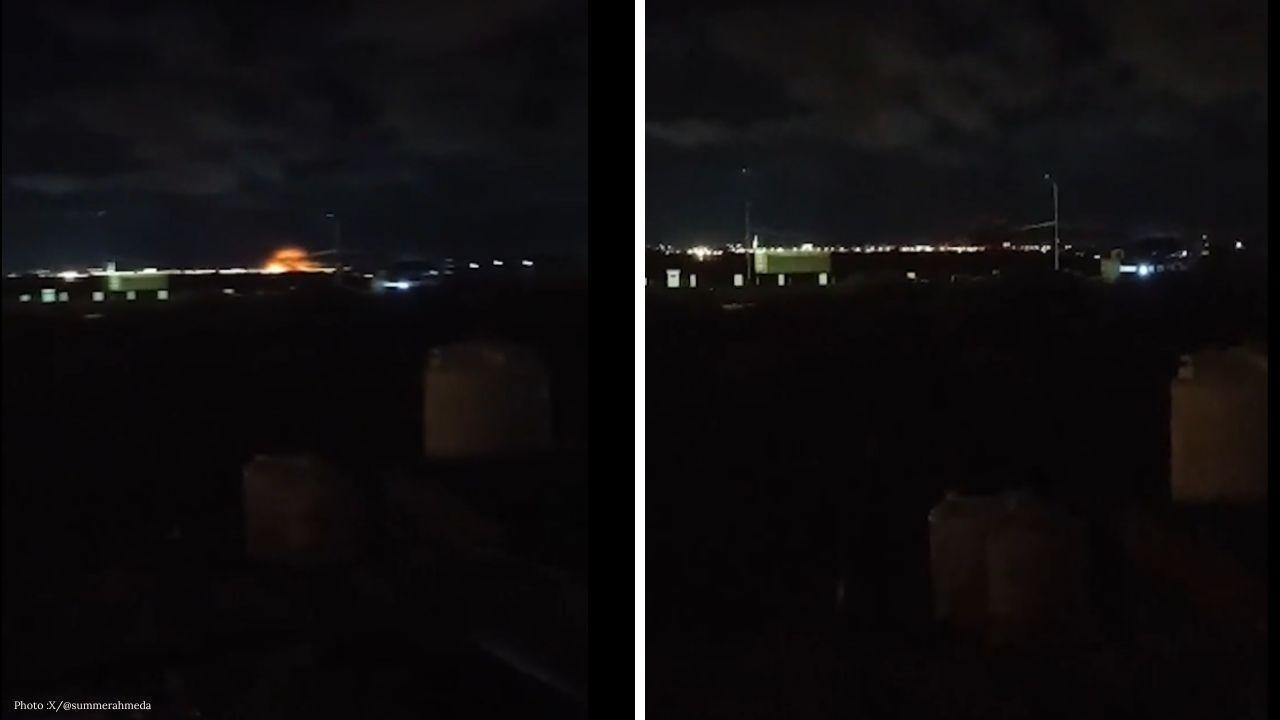
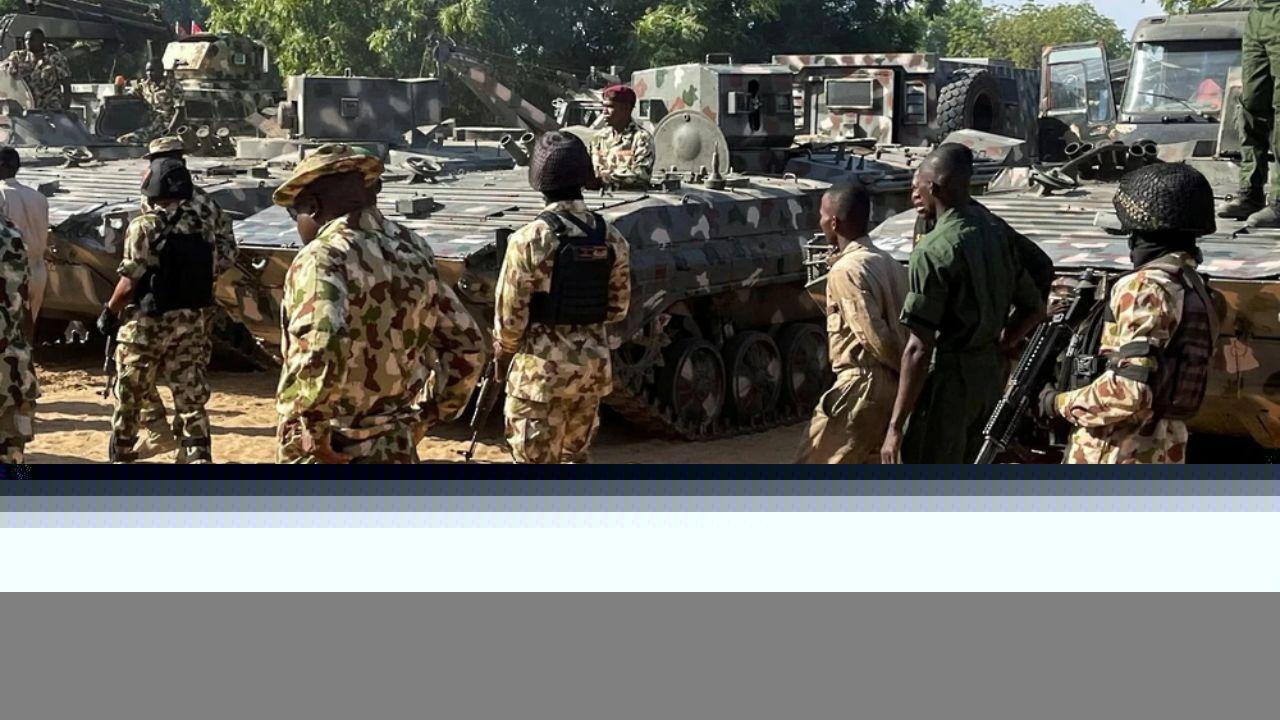
Initial reports indicate that recent military maneuvers occurred between US and Iranian forces close to this important waterway. Both nations have leveled accusations at one another, but detailed information is still emerging. Even minor clashes in this area can trigger considerable global alarm.
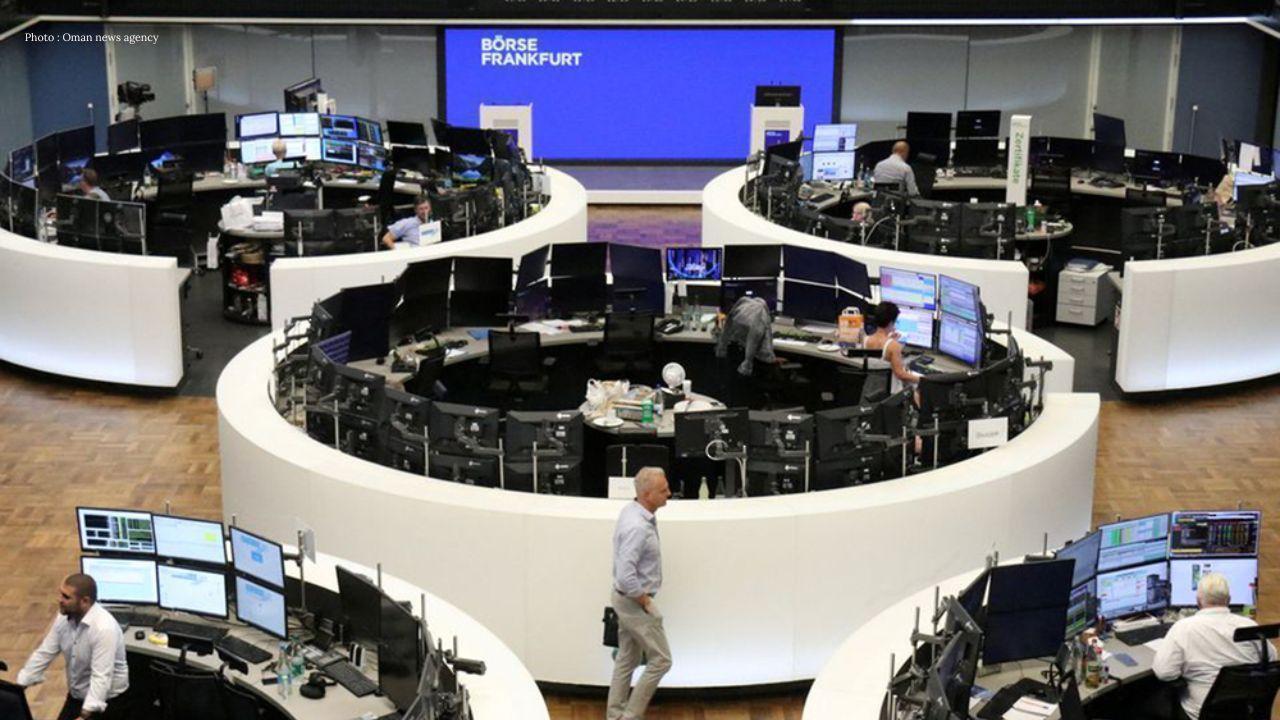
Following the incident, oil markets reacted swiftly, with traders expressing concerns about potential supply chain disruptions. Typically, crude oil prices surge amid heightened tensions in the Middle East, as investors become anxious over the safety of energy transportation and production.
The longstanding conflict between the US and Iran spans decades, revolving around issues like nuclear programs, sanctions, military leverage, and regional security concerns. Such enduring disputes contribute to making the Gulf a notably volatile geopolitical hotspot.
Iran consistently opposes foreign military operations in proximity to its waters, while the US maintains that it is safeguarding global shipping lanes and ensuring the safety of trade routes. This contrasting stance has repeatedly led to heightened tensions and clashes.
Experts caution that the current predicament is particularly precarious, given the multitude of existing conflicts in the region. A direct escalation between the two nations could have destabilizing effects not only for the Middle East but for global markets as well.
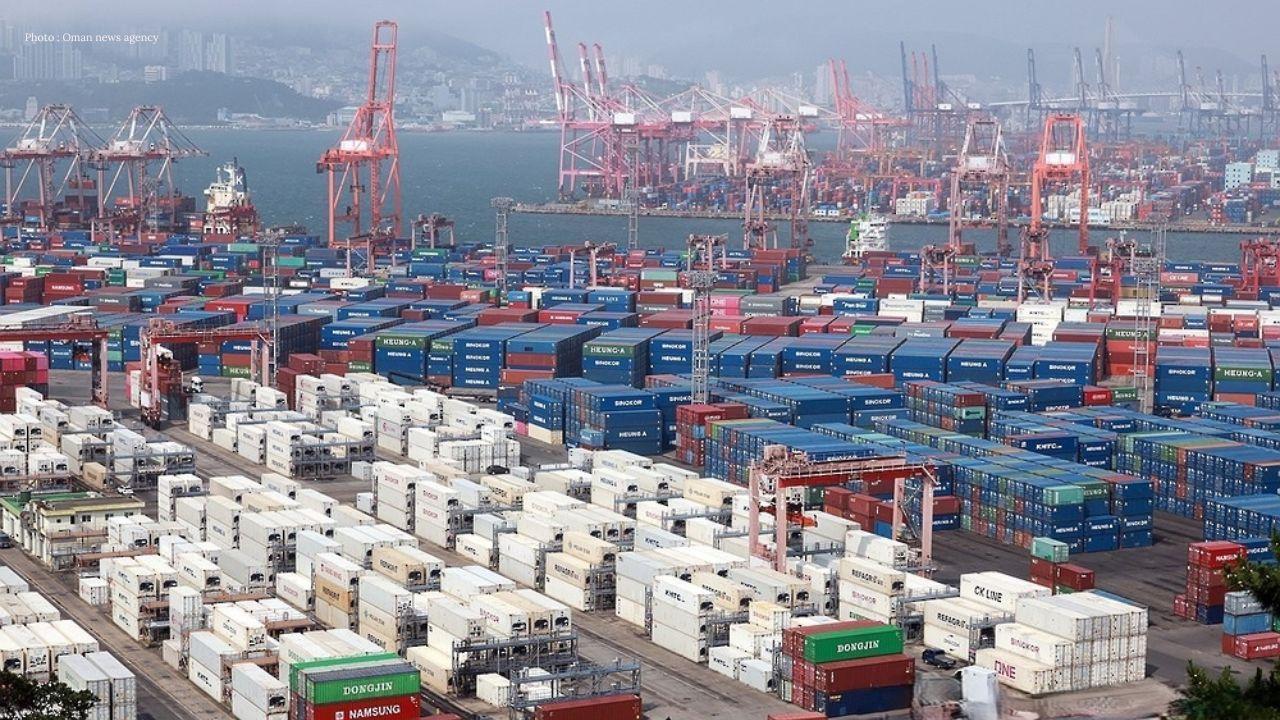
Countries reliant on oil imports are observing the developments keenly. Rising oil prices can spur inflation, increase transport costs, and influence the prices of everyday goods worldwide, from groceries to fuel.
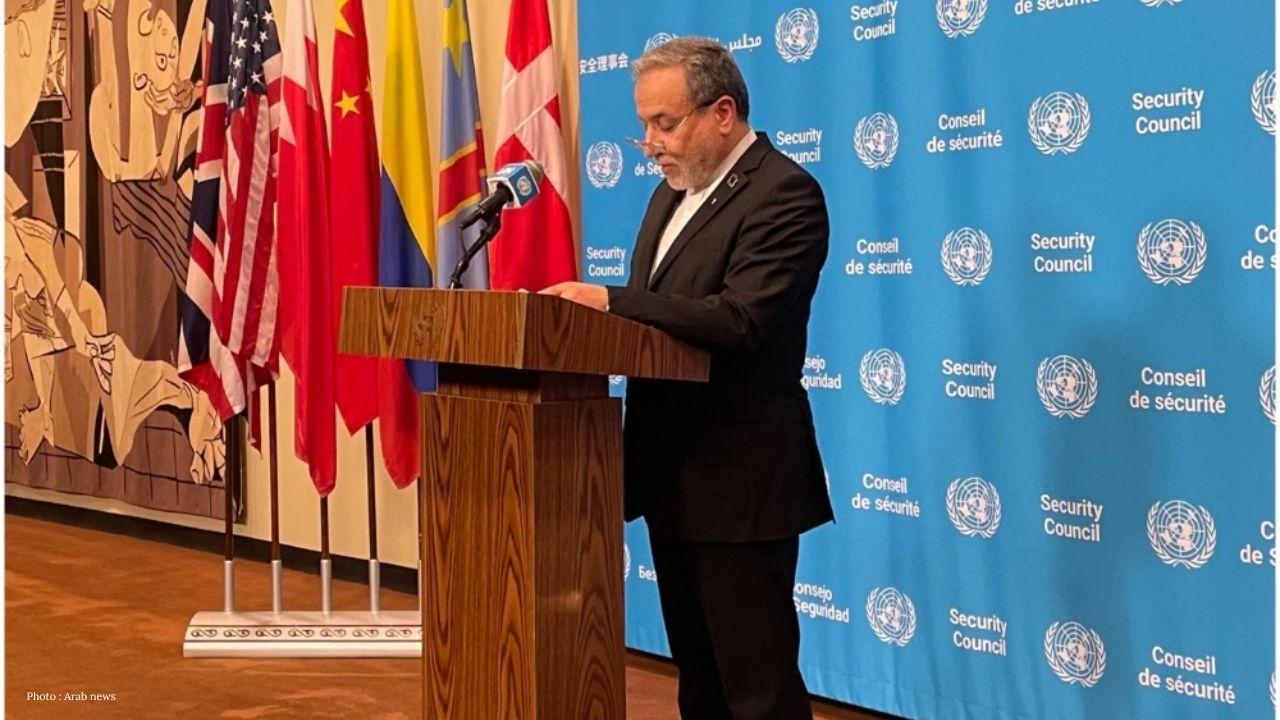
International figures have called for restraint, urging both parties to de-escalate tensions. There are ongoing calls for diplomatic efforts to prevent the situation from spiraling into a broader military crisis.
The Strait of Hormuz remains one of the globe's most critical chokepoints. Even minor incidents in this area can lead to significant economic repercussions worldwide.
As tensions persist, the international community is closely monitoring whether diplomatic interventions might alleviate the risk of conflict, or if the situation will deteriorate further in the upcoming days.


 English