Post by : Saif
Al-Najjar
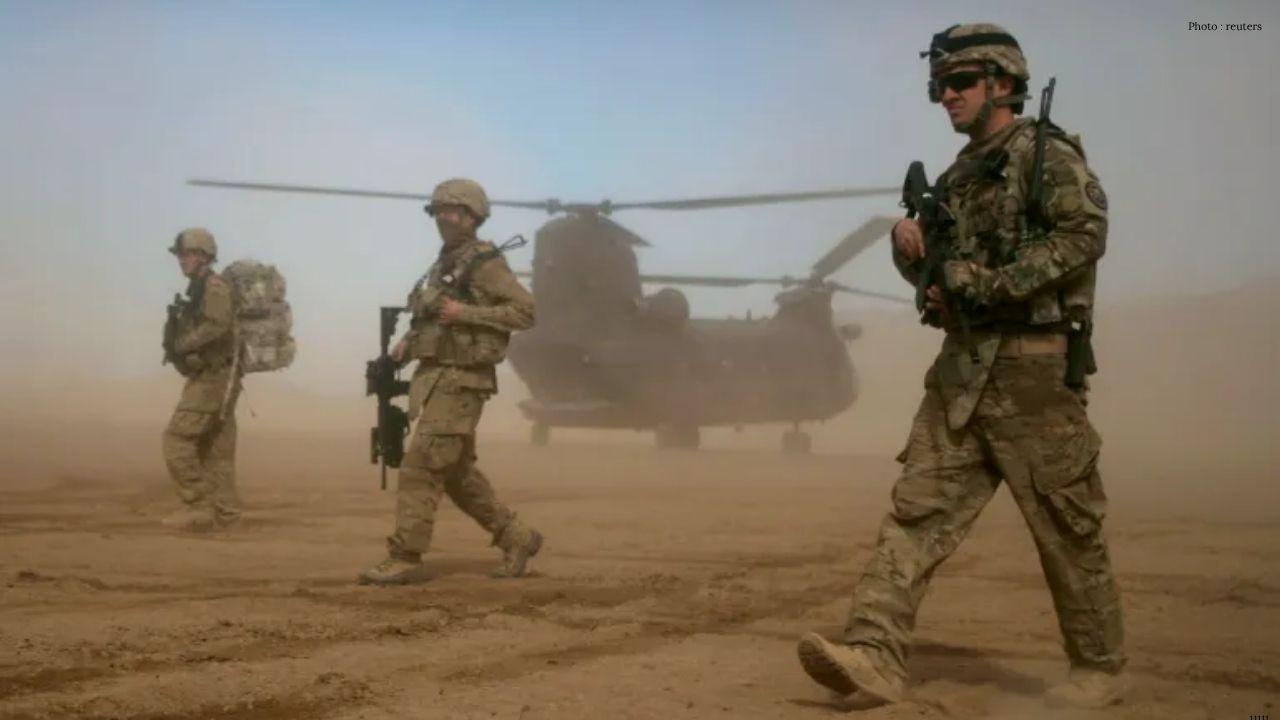
Following real combat involvement in last year’s conflict with India, Pakistan's military industry is garnering significant global interest for its fighter jets, drones, and weaponry. This engagement has enhanced the credibility of Pakistan’s arms, leading to serious discussions with numerous international buyers.
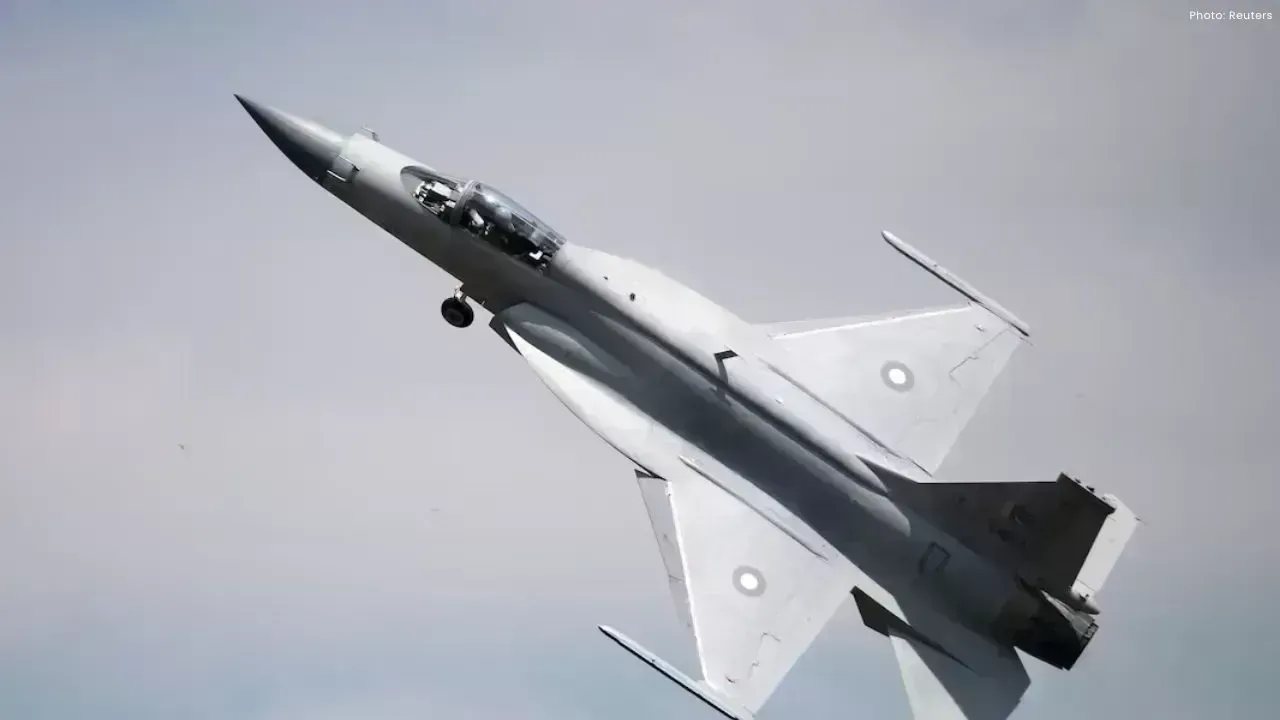
Sources within the defence sector indicate that talks are currently underway with about 13 countries regarding potential arms transactions. With six to eight of these discussions reaching advanced stages, the negotiations encompass the JF-17 Thunder jets, jointly developed with China, along with training aircraft, drones, missiles, and a variety of other military systems.
The JF-17 has established itself as a cornerstone of Pakistan’s export strategy. Its deployment during the conflict demonstrated its capabilities in real-world scenarios, making its “combat-tested” status attractive for countries seeking reliable systems at more reasonable prices than those asked by Western dealers.
Additionally, global supply chain issues stemming from conflicts in Ukraine and the Middle East have intensified interest in alternative suppliers able to meet urgent demands. This circumstance positions Pakistan’s military offerings as timely and cost-effective solutions.
Countries in the Middle East, Africa, and Asia—from Sudan to Saudi Arabia, Indonesia to Morocco, and Nigeria to Iraq—are among those expressing interest. Established military and diplomatic relationships with Pakistan streamline the path for collaboration.
Among the crucial negotiations is one with Bangladesh, covering a range of military equipment including fighter jets, drones, air defence frameworks, and training aircraft. A successful agreement could significantly bolster Pakistan's stature as a defence supplier.
To fulfill the upsurge in demand, Pakistan is gearing up to enhance its production capacity. Officials report that output for JF-17 jets could notably rise by 2027 with factory upgrades, while private firms are contributing more in drone manufacturing, producing hundreds annually for military purposes.
Nevertheless, challenges persist. Some prospective deals may encounter political hurdles, particularly regarding international arms regulations. The approval from China remains pivotal due to its role in various defence projects. Experts warn that despite robust interest, not all discussions may culminate in formal contracts.
Regardless, the upward trend in Pakistan’s defence exports illustrates how real combat experience, competitive pricing, and adaptable partnerships are propelling the nation into a significant position within the global arms market.


 English