Post by : Shweta
Having secured a commanding majority, Mark Carney is now poised to navigate a critical phase in his leadership—revising Canada’s trade dynamics with the U.S. under Donald Trump. With enhanced political stability, Carney is better positioned to engage in negotiations, even if it involves making hard choices.
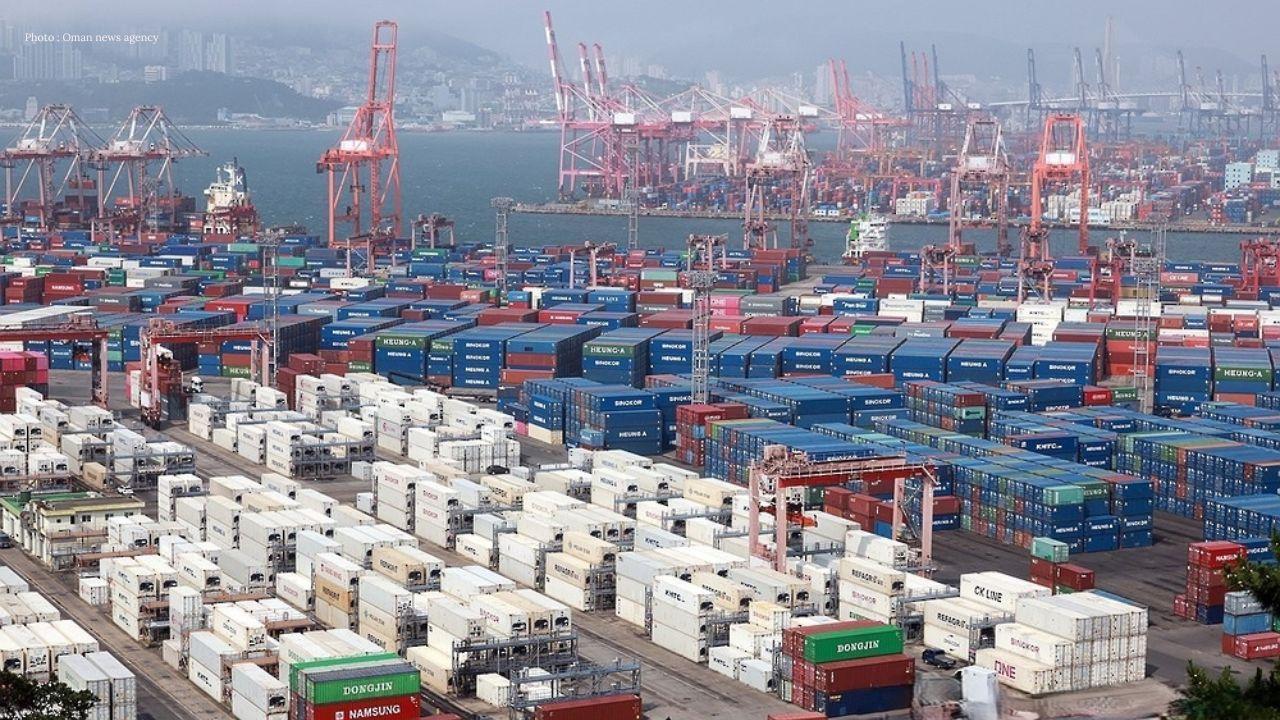
A significant deadline looms on July 1 for the North American trade agreement between Canada, the U.S., and Mexico. The nations must determine whether to maintain the current terms, renegotiate them, or implement annual reviews until 2036. Carney is anticipated to advocate for a restructured deal, aiming specifically at addressing tariffs on Canadian steel, aluminum, and automobiles that continue to trouble local industries.
Carney previously claimed that his majority would empower him to tackle trade disputes with the U.S. more effectively. Now armed with this mandate, both political analysts and the public have heightened expectations. There is a widespread belief that Canadians desire substantive outcomes, particularly in reducing tariffs and enhancing domestic economic conditions.
Despite Carney’s proactive global diplomacy and the signing of multiple international deals recently, Canada’s economy is still heavily reliant on the United States, with nearly 70% of exports going there. This dependency has led to worries within his administration, prompting Carney to label it a “weakness” that necessitates correction. His overarching strategy aims to diversify trade with other nations, but addressing U.S. trade issues remains a pressing concern.
Experts posit that Carney’s majority enables him the political latitude to ponder concessions that would have been difficult under a less stable government. Such concessions might involve easing restrictions on Canada’s protected dairy sector or modifying provincial trade policies. However, he may encounter domestic pushback from industries and local leaders.
In parallel, critics, including Pierre Poilievre, have rebuked Carney for his slow response to U.S. tariffs and for delaying formal negotiations in recent months. Detractors argue that while Carney’s efforts on the global stage are commendable, he must now refocus on urgent domestic economic issues.
Canadians are increasingly concerned about economic challenges. Recent statistics indicate a rise in unemployment and food inflation, making the cost of living a priority issue. Analysts caution that while Carney may not be solely responsible for these economic difficulties, public patience could wane if improvements are delayed.
In the forthcoming months, Carney's leadership will be scrutinized on two fronts—securing a favorable trade agreement with the U.S. and addressing domestic economic turmoil. His majority government offers a chance to act assertively, but it also heightens public expectations for visible progress.


 English