Post by : Saif
Al-Najjar
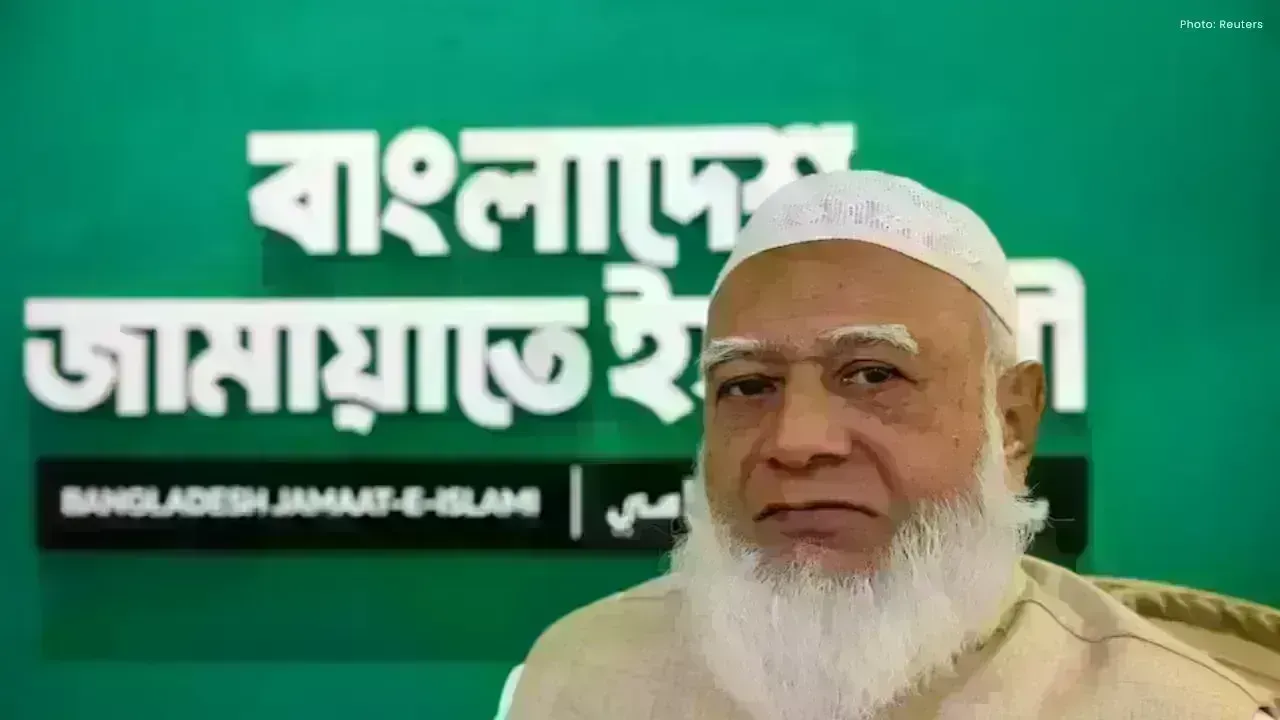
As Bangladesh gears up for its pivotal parliamentary elections next month, a notable political shift is unfolding. Jamaat-e-Islami, the leading Islamist party, is experiencing a surge in public approval following years of political isolation. While many voters perceive it as a viable alternative, this expanding support is alarming moderates and minority groups.
Jamaat-e-Islami carries a contentious history, having opposed Bangladesh’s independence in 1971 and facing accusations of serious offenses during that era. Under the leadership of former Prime Minister Sheikh Hasina, numerous Jamaat leaders faced imprisonment or even execution. The party was subsequently barred from participating in elections in 2013 due to its conflicting ideology with Bangladesh’s secular constitution.
The political landscape shifted dramatically following a student-led revolt that ousted Hasina in August 2024. Her party found itself banned, resulting in a political vacuum that Jamaat seized upon to re-establish itself, adopting an image of discipline, transparency, and commitment to public service.
Jamaat leaders now claim to practice “welfare politics,” highlighting initiatives like medical camps, flood relief efforts, and support for families impacted during protests. The party’s chief, Shafiqur Rahman, emphasizes their aim to restore public trust in politics through service.
Recent surveys indicate Jamaat's popularity has surged, with some polls suggesting it is nearly on par with the Bangladesh Nationalist Party. Many citizens express fatigue with ongoing corruption and are considering giving Jamaat an opportunity.
In efforts to improve their image, the party has recently nominated a Hindu candidate and has spoken out against discrimination of minorities. Additionally, they have allied with a youth-driven political faction that emerged during the protests, hoping to attract a younger demographic.
Nevertheless, skepticism lingers among critics. No women candidates have been nominated for prominent parliamentary positions, and activists express doubt over the party's commitment to gender equality, citing past remarks from leaders about limiting women’s working hours.
Minority groups are particularly alarmed. Since the governmental shift, there has been a rise in attacks on Hindu temples, Sufi shrines, and cultural celebrations. Incidents targeting women’s sports and musical presentations have also increased. Although the interim government has pledged strong measures against such violence, many minority communities continue to feel insecure.
Moderate voices caution that a government led by Jamaat could steer Bangladesh toward stricter religious enforcement. Some minority leaders describe the current climate as the most distressing they have encountered in years.
Jamaat denies any endorsement of violence or intolerance, asserting a commitment to democracy influenced by Islamic principles. The party also seeks balanced international relations, aiming not to align preferentially with any single nation.
As election day approaches, Bangladesh confronts a significant crossroads. Jamaat-e-Islami’s ascendancy symbolizes the public’s frustration and the yearning for change, yet it raises critical questions regarding the nation’s future direction, social cohesion, and the safeguarding of rights. The upcoming vote promises to significantly shape Bangladesh’s trajectory in the years to come.


 English