Post by : Saif
Al-Najjar
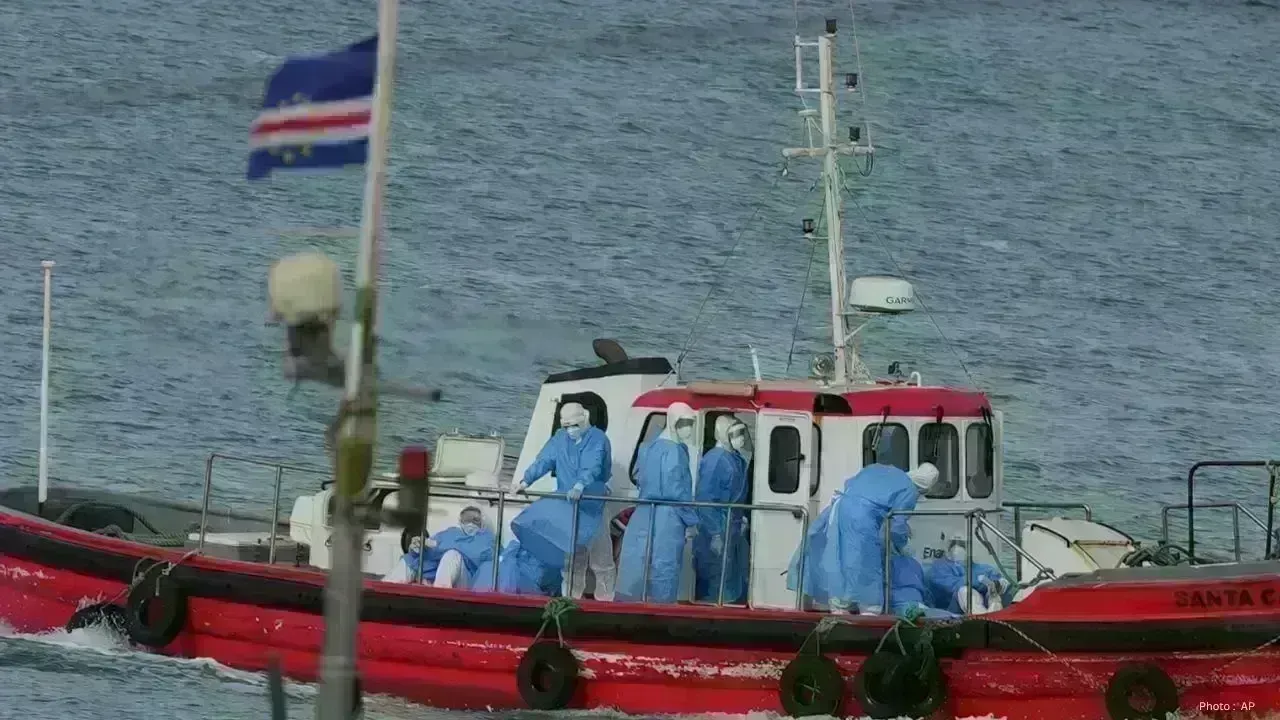
A notable hantavirus outbreak on a cruise ship crossing the Atlantic has sparked global health alarm after infections emerged and at least three individuals succumbed. Authorities from different nations are actively tracking passengers and their contacts to curb further transmission of this rare virus.
The incident occurred on the Dutch-operated MV Hondius, which was transporting approximately 150 individuals from South America to Europe. Following investigations, it was revealed that the infections were associated with the hazardous Andes strain of hantavirus, typically found in South America.
The outbreak has raised international concerns, given that the Andes strain is among the few hantaviruses capable of limited human-to-human transfer. Experts acknowledge that these cases are quite rare, yet the situation has intensified fears surrounding the spread of infectious diseases through global travel.
Health professionals reported that several passengers experienced severe respiratory issues during the voyage. Some were evacuated for urgent treatment, while others stayed isolated in their cabins as the ship progressed toward Spain’s Canary Islands.
Worsening the situation, three deaths have been tied to the outbreak. A Dutch passenger was the first to pass away aboard the ship, followed by his wife, who died after being transferred to a hospital in South Africa. Another passenger also lost their life amid the outbreak, raising alarms among health authorities.
Authorities in South Africa confirmed that two passengers tested positive for the Andes strain of hantavirus. Experts indicate that this strain is prevalent in Argentina and Chile, where it is often associated with rodent populations.
The hantavirus is usually contracted through exposure to infected rodent droppings, urine, or saliva. Infection can occur via inhaling contaminated particles in enclosed spaces. It is important to note that human-to-human transmission is rare, which has drawn significant global medical scrutiny to this cruise ship outbreak.
The World Health Organization has acknowledged the severity of the hantavirus outbreak but cautions against drawing parallels with the COVID-19 pandemic. Officials clarified that hantavirus spreads at a much lower rate compared to COVID-19, and affirmed that the overall public risk is still minimal.
This outbreak underscores the rapidity with which health crises can transform into global challenges in today’s interconnected world. Passengers had traveled through numerous countries prior to displaying symptoms, prompting health officials in South Africa, Switzerland, Germany, the Netherlands, Spain, and the United Kingdom to initiate contact tracing efforts.
Authorities have identified numerous individuals who were potentially in contact with infected passengers. Some travelers who have returned home reportedly opted for self-isolation as a precaution. Initial medical screenings in various nations have yielded negative results for many close contacts.
Investigators believe that the outbreak may have originated before the cruise began. Medical experts consider the possibility that a Dutch couple might have been exposed to infected rodents while bird-watching near Ushuaia in Argentina prior to boarding the ship. This region occasionally registers hantavirus infections.
The incident aboard the cruise ship has reignited discussions about disease control measures on international liners. The confined nature of cruise ships often complicates the management of infectious diseases, as passengers from diverse backgrounds spend extended periods in close quarters.
During the COVID-19 pandemic, cruise ships exemplified how swiftly illnesses could proliferate through international travel avenues. While hantavirus differs significantly from COVID-19, experts assert that this outbreak still reveals vulnerabilities in global health monitoring systems.
Another crucial issue is the prolonged incubation period associated with hantavirus. Initial symptoms may not manifest until weeks after exposure, hindering quick identification of infected persons. Common early signs include fever, fatigue, headache, muscle pain, and coughing. In severe situations, individuals may experience respiratory failure, necessitating intensive medical care.
Currently, there is no specific treatment for hantavirus infections. Medical professionals primarily provide supportive care, including oxygenation and intensive management. Early detection and timely medical intervention are key factors that can enhance the chances of survival.
Experts caution that climate and environmental fluctuations might increase the likelihood of future hantavirus outbreaks. Changes in weather patterns could impact rodent populations, thereby elevating the potential for virus transmission in specific regions of South America.
International health organizations are closely monitoring the hantavirus outbreak aboard the MV Hondius. Governments are attempting to reassure the public that the overall risk remains low, yet this incident highlights the speed at which rare diseases can escalate into global issues owing to modern travel and tourism.
While it is hoped that the outbreak can be managed without broader implications, it serves as a stark reminder of the necessity for robust global health infrastructure, swift medical responses, and collaborative efforts during infectious disease crises.


 English