Post by : Saif
Al-Najjar
Tensions between the United States and Iran have surged as U.S. forces executed another strike on Iranian military assets. This comes in the wake of Tehran reportedly stepping up its attacks on commercial tankers navigating the Strait of Hormuz, a pivotal passage for global energy supplies.
The rising conflict poses significant risks to international shipping and the overall stability of the region, especially given the ongoing stagnation of diplomatic negotiations.
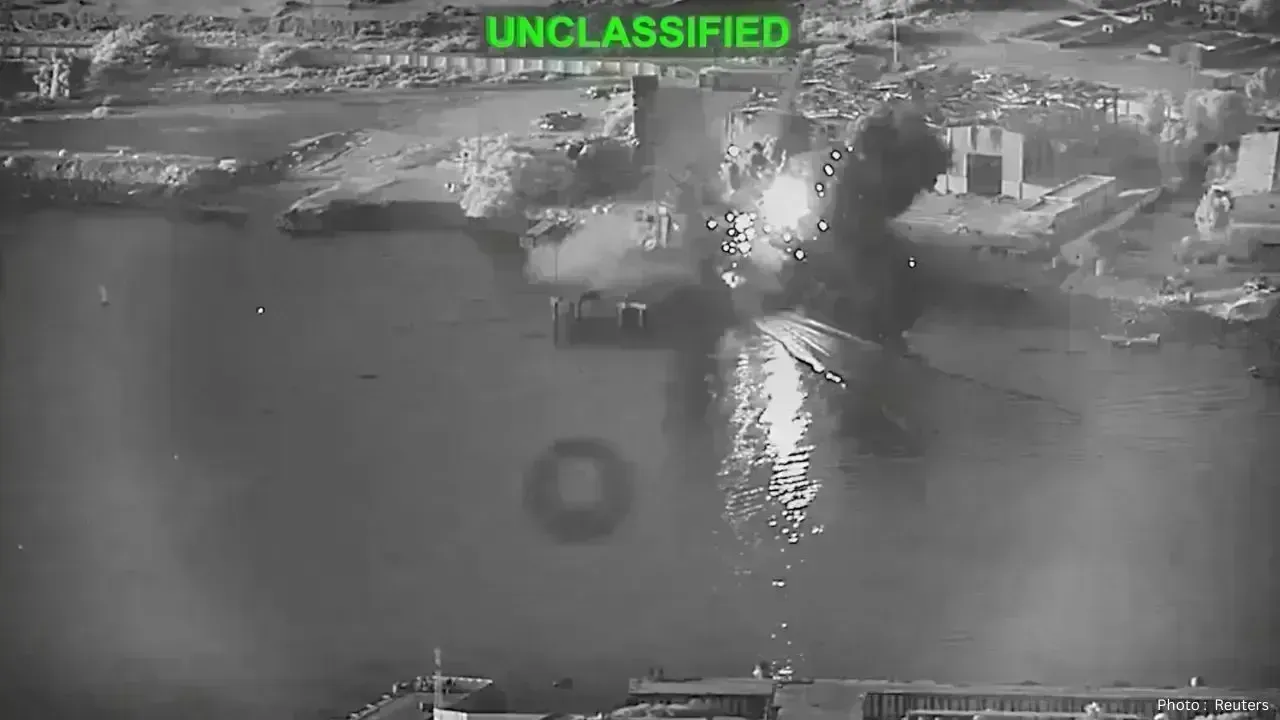
American Forces Carry Out Targeted Strikes
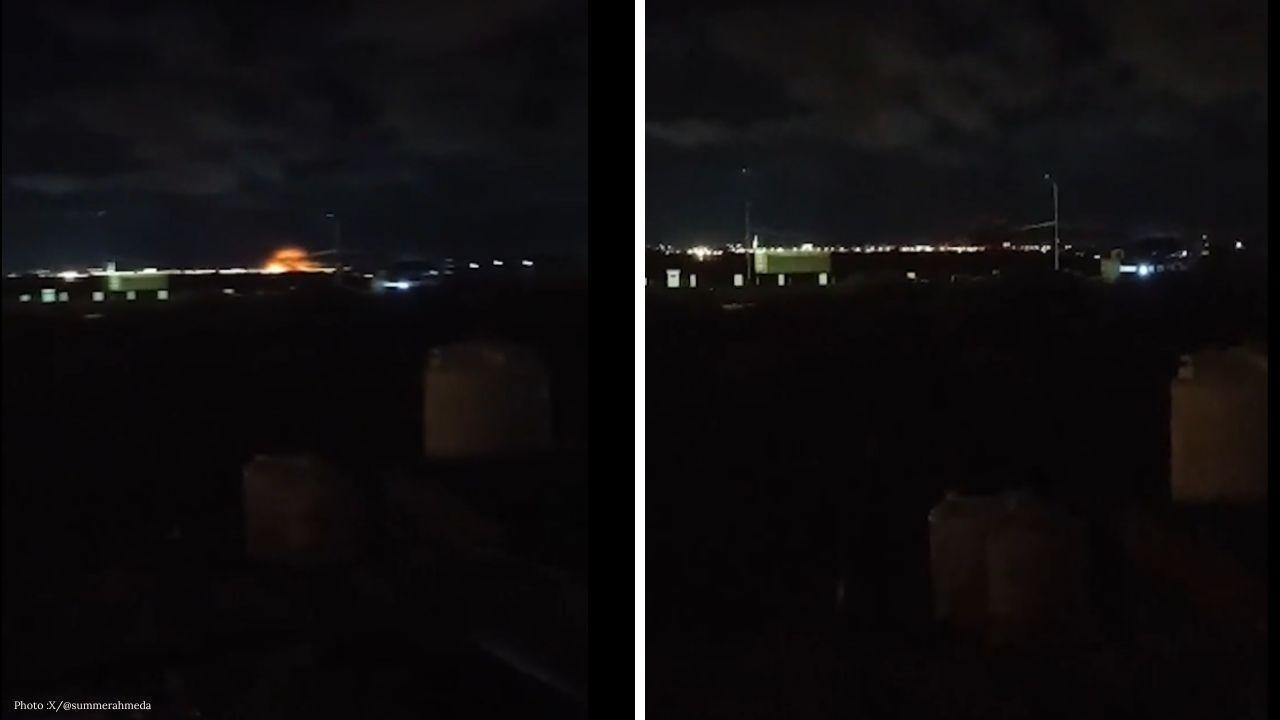
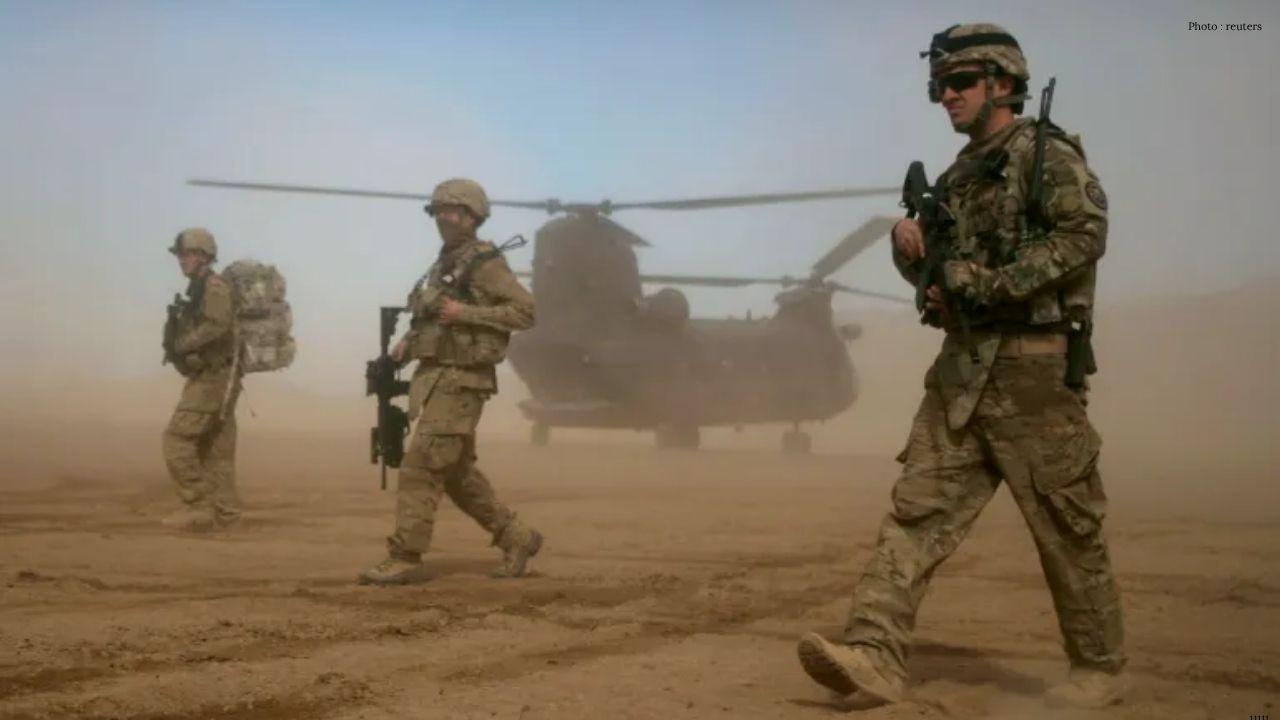
U.S. military officials confirmed that the recent operations included precision strikes on various Iranian military installations, with a particular emphasis on missile launch platforms and drone facilities determined to threaten regional security.
According to Washington, these actions aim to ensure the safety of maritime trade and uphold stability within international waterways.
Iran's Response: More Attacks on Tankers
In retaliation, Iran has intensified its assaults on additional commercial vessels traversing the strategic Strait of Hormuz, which links the Persian Gulf to the wider international market and is vital for oil and liquefied natural gas shipments.
Shipping operators are keeping a vigilant eye on developments due to growing concerns over the safety of their assets in this sensitive region.
Market Reactions to the Escalation
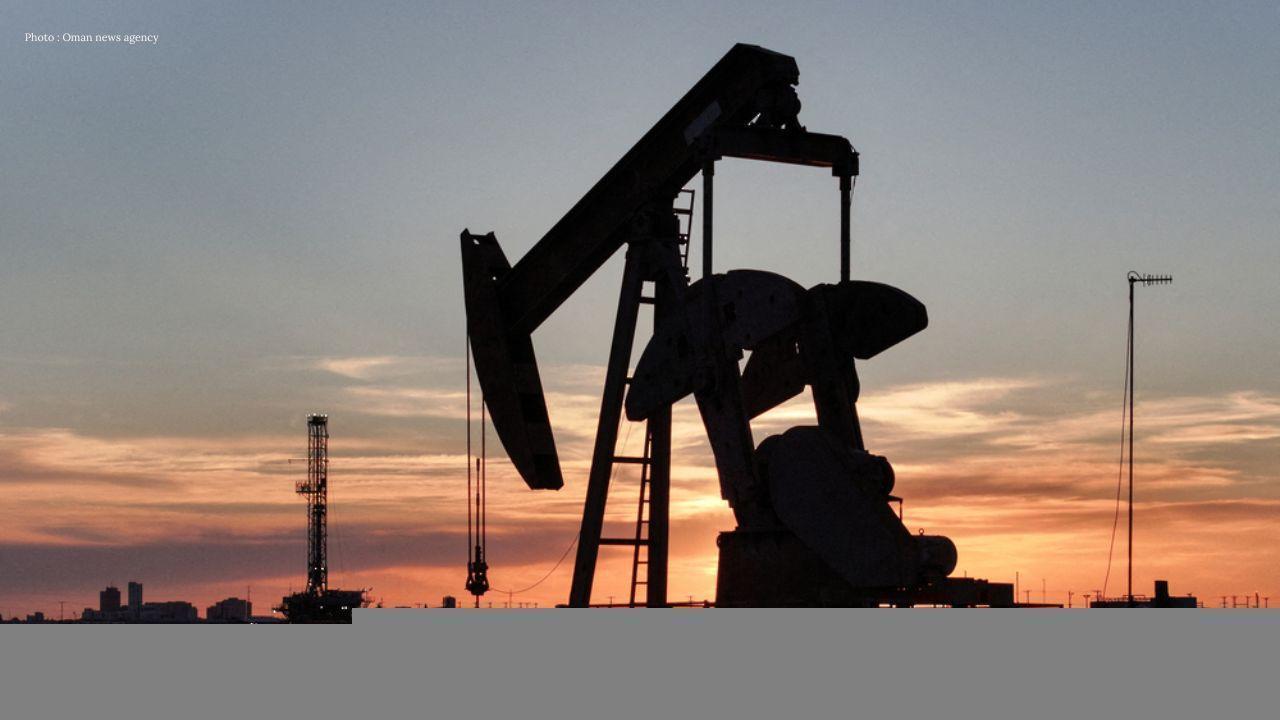
This military escalation has reignited apprehensions about potential disruptions to international energy supplies.
Analysts indicate that ongoing instability in the Strait of Hormuz could lead to increased costs for shipping, affect oil exports, and contribute to fluctuations in global crude prices.
Numerous nations have urged for prudence, cautioning that further conflict could exert adverse effects on global trade and economic stability.
Push for Diplomatic Solutions
International governments and organizations continue to call for immediate de-escalation, emphasizing that ongoing military engagements risk further destabilization in the Middle East.
Experts in security maintain that safeguarding shipping routes will remain imperative, even as diplomatic channels are pursued alongside military initiatives.
The situation is evolving rapidly, with nations, businesses, and financial marketplaces carefully observing the unfolding events in the Gulf.


 English