Post by : Saif
Al-Najjar
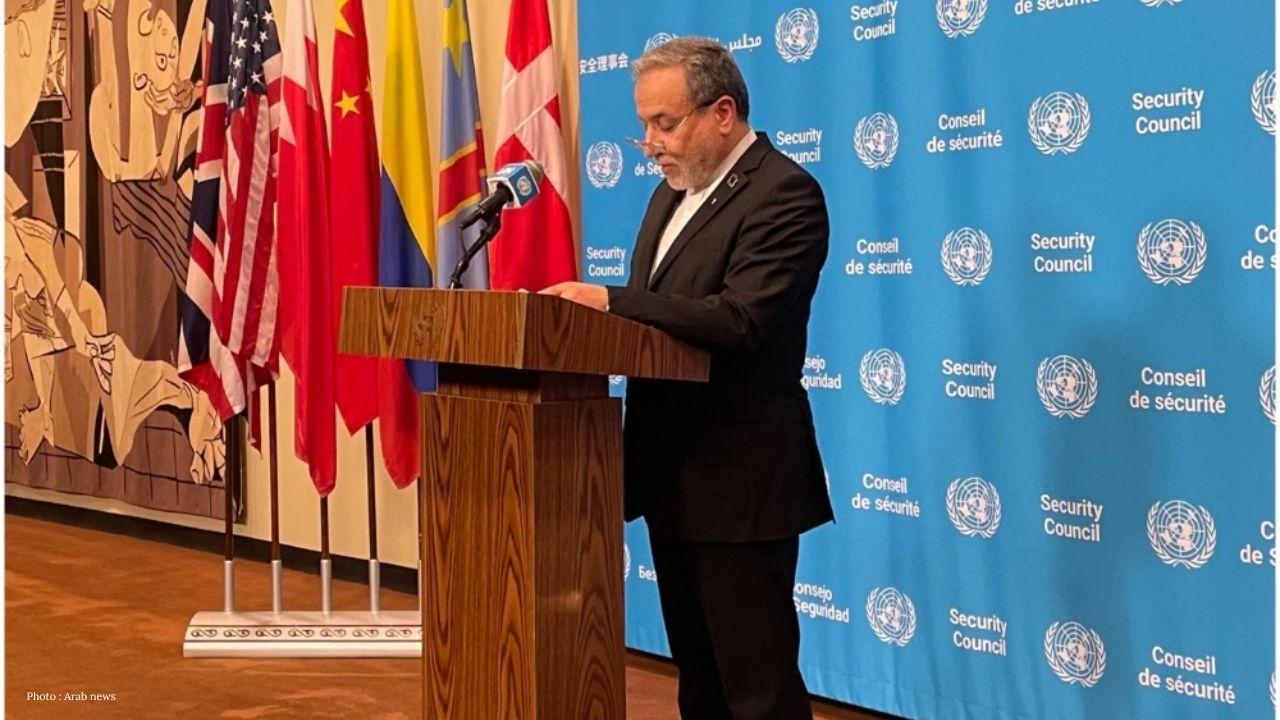
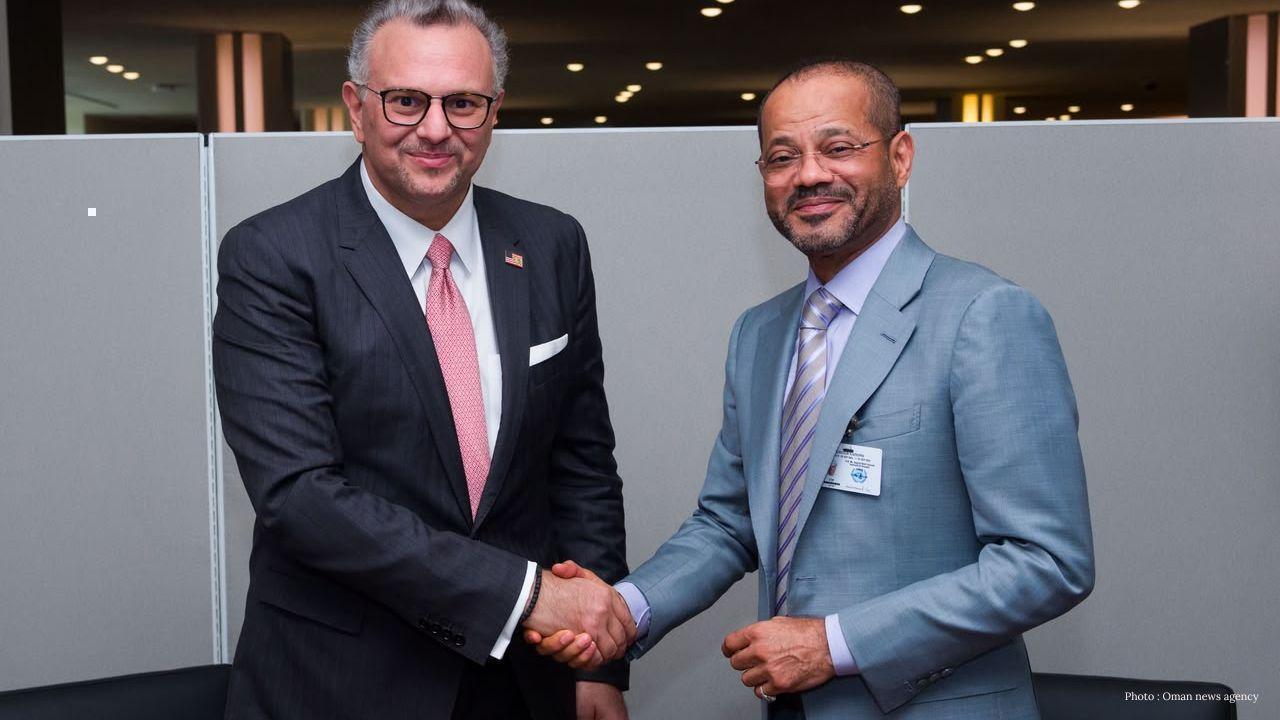
Recent developments in the dialogue between the United States and Iran have sparked interest surrounding a potential agreement that may involve restrictions on enriched uranium and temporary maritime access connected to stability in the region. Analysts are closely following these discussions due to their implications for energy markets and geopolitical dynamics within the Middle East.
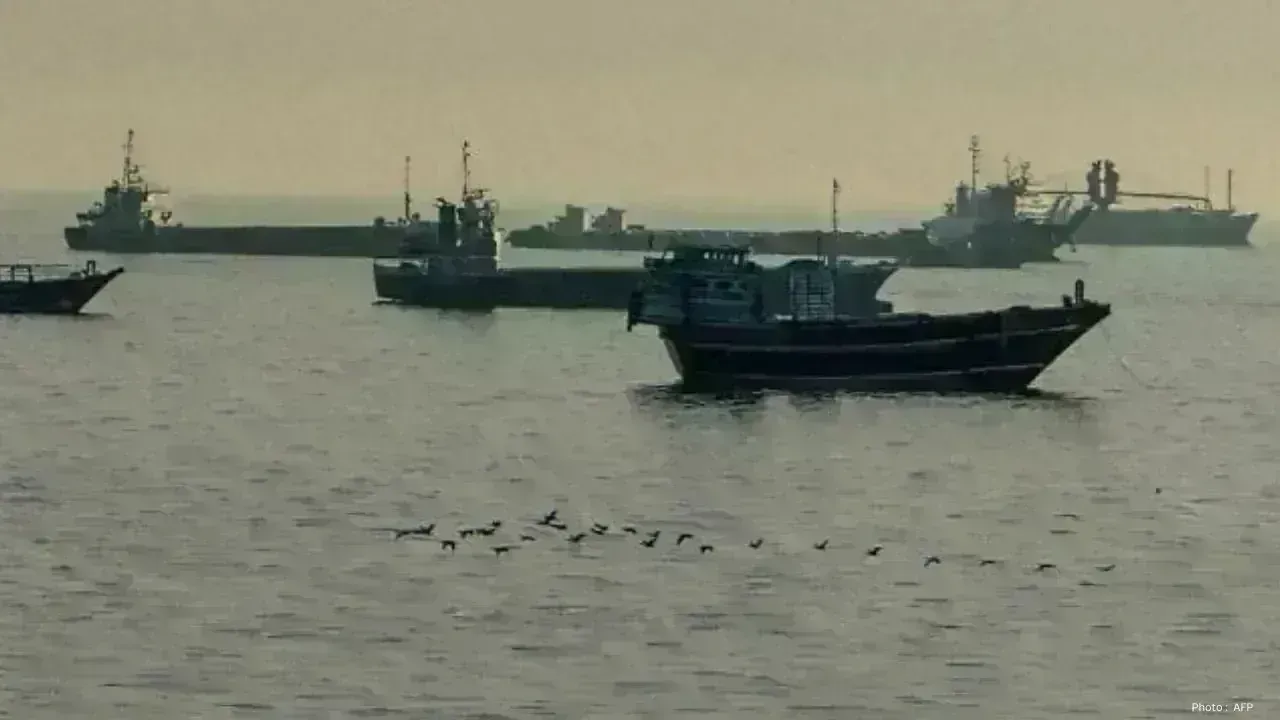
Sources reveal that the talks are centered on limiting enriched uranium as a strategy to diminish tensions between the two nations. Additionally, proposals regarding short-term arrangements for a pivotal maritime route are reportedly being evaluated to maintain order within the Gulf region.
This dialogue comes amid extended indirect negotiations aimed at addressing the contentious issues of sanctions, nuclear oversight, and regional security, following months of mediated conversations. Although no formal agreement has been disclosed, expectations are rising for potential compromise solutions.
Enriched uranium remains a sensitive topic, as Western nations have consistently voiced apprehension over Iran’s advancing nuclear capabilities. Conversely, Iranian officials assert that their nuclear program is purely for peaceful purposes such as energy generation and scientific exploration.
Any accord related to uranium limitations would have significant global ramifications, given that the nuclear discourse has been a longstanding source of tension between Tehran and Western states. Previous negotiations have struggled against political discord, deep mistrust, and shifting regional conditions.
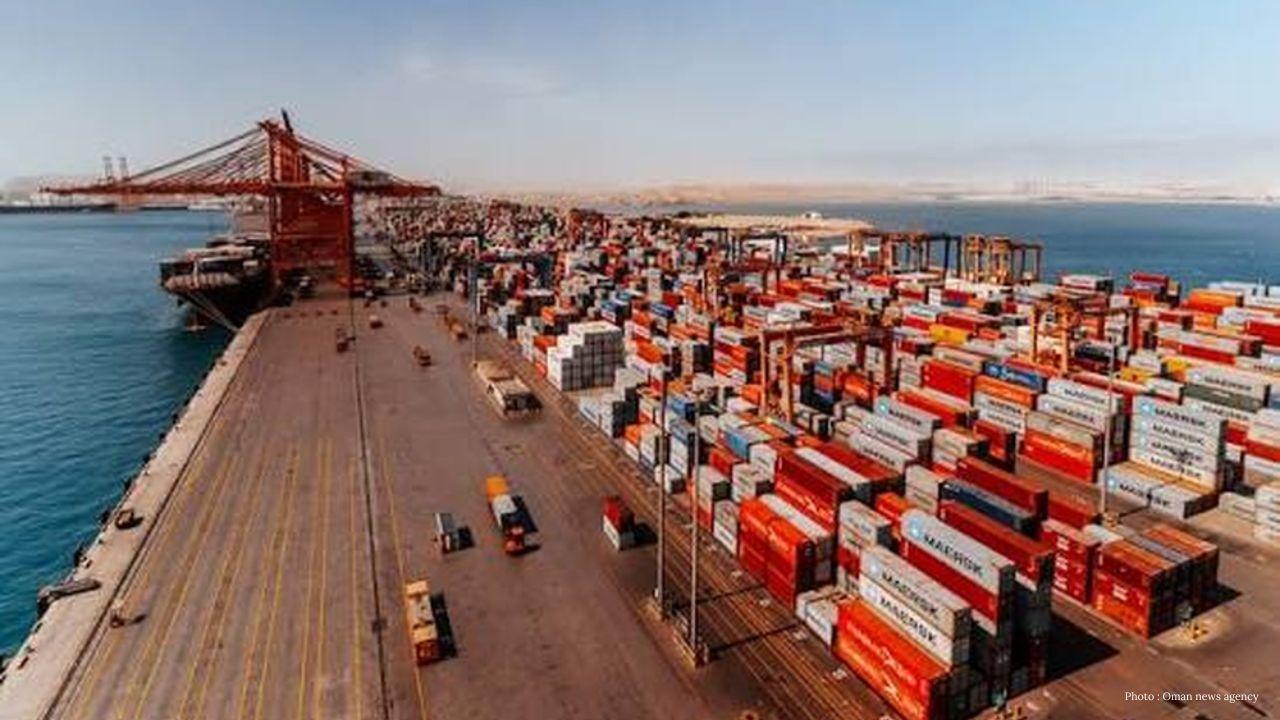
The conversations regarding maritime access are also drawing significant international scrutiny, as these shipping lanes in the Gulf are vital for global energy supplies. Developments affecting the security of these waterways can directly impact oil prices and trade dynamics throughout various regions.
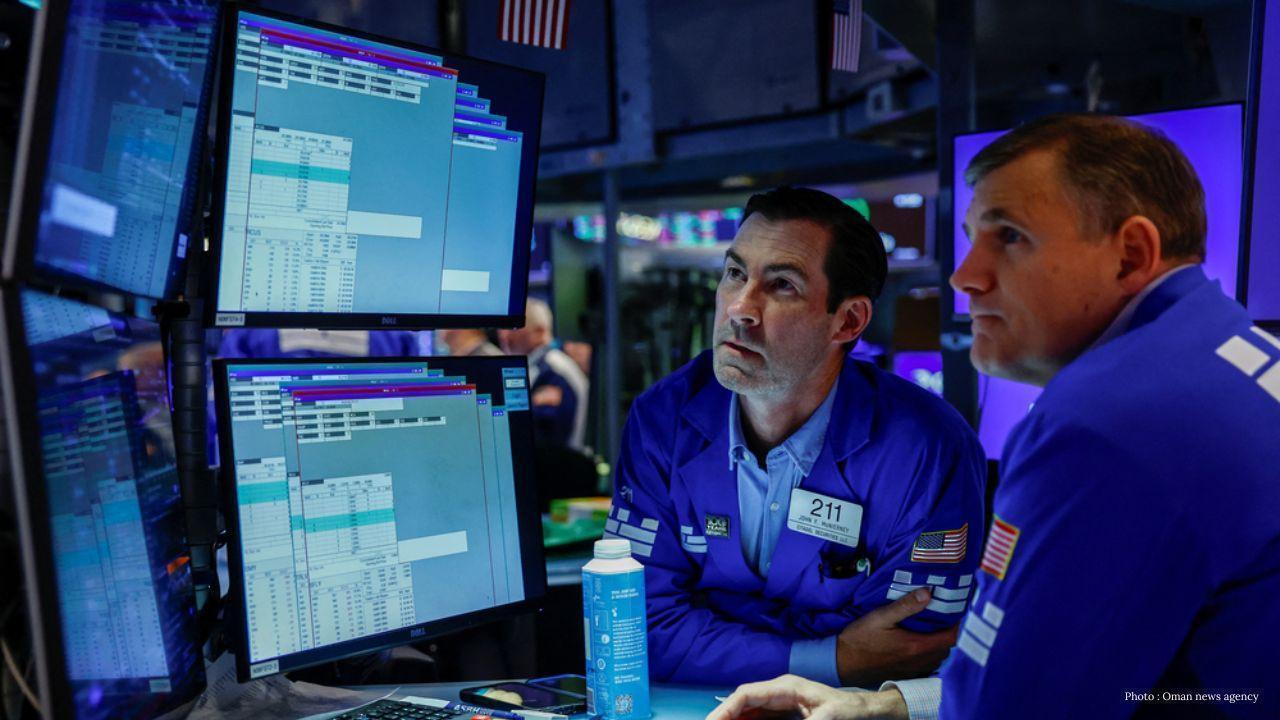
Energy stakeholders are closely monitoring the ongoing talks. A relaxation of hostilities between the two nations could potentially reshape oil export patterns and influence global crude supply expectations. Historically, even minor progress in diplomacy tends to sway market perceptions.
Regional leaders are vigilantly observing these conversations, as any significant breakthrough could alter political alliances and security strategies in the Middle East. Many nations have advocated for diplomatic avenues to mitigate the likelihood of conflict and sustain regional security.
However, significant hurdles still loom, including disputes over sanction relief, compliance verification, and long-term agreements for future adherence. Persistent political pressure from hardliners in both countries continues to complicate the path forward.
Experts believe that building trust will be essential before any comprehensive agreement can be reached. Years of political discord and economic sanctions have fostered profound mistrust between Washington and Tehran, making each negotiation phase critically sensitive.
Despite prior setbacks, recent reports suggest that diplomatic channels remain open. Analysts perceive that smaller agreements or provisional arrangements could pave the way for substantial negotiations in the future.
Economic factors also play a role in these discussions, as Iran grapples with sanctions impacting its trade, banking, and oil revenues, while global powers are preoccupied with regional volatility and energy security. Alleviating tensions could bolster economic growth and market confidence across the area.
The potential for a diplomatic thaw has garnered international interest from governments, investors, and security experts. While uncertainties linger, current developments suggest that the US-Iran negotiations are in a critical phase, with consequences that could reach far beyond the confines of the Middle East.


 English