Post by : Bianca
Haleem
A report by The Wall Street Journal has indicated that the United Arab Emirates conducted airstrikes inside Iran as a response to the US-mediated ceasefire announced in April. This information unveils a more significant Emirati role in the ongoing conflict, potentially altering perceptions of the UAE's influence in regional security matters.
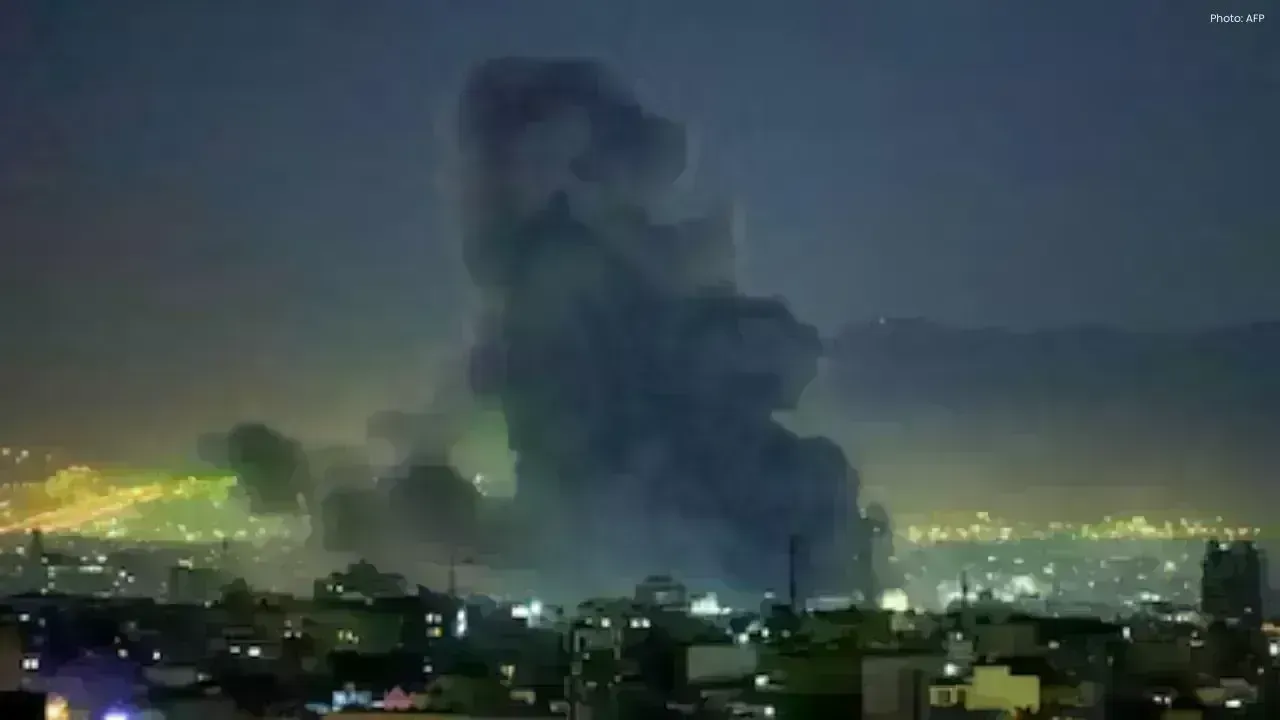
The military operations reportedly struck several key locations in Iran, such as a refinery on Lavan Island, facilities on Qeshm and Abu Musa Islands adjacent to the Strait of Hormuz, Bandar Abbas, and Asaluyeh's major petrochemical center.
One of the most noteworthy strikes targeted the Asaluyeh energy complex, drawing considerable international scrutiny due to its criticality to Iran’s energy industry. This escalation has raised alarm over possible interruptions of regional energy supplies, prompting the US to persuade Israel to halt operations against Iranian energy sites.
According to sources cited by The Wall Street Journal, the UAE coordinated closely with the United States and Israel as part of a comprehensive military initiative directed at Iran. Despite a ceasefire announcement, this campaign reportedly persisted for weeks, reflecting the intricate dynamics involved in managing the conflict.
These military actions indicate a significant shift from the typically reserved strategies that Gulf nations adopt during periods of increased regional tensions. Prior to the outbreak of conflict, many Gulf states had expressed that their airspace would not support military activities against Iran for fear of retaliation.
The report also suggests that tensions arose among Gulf allies during the conflict. UAE President Sheikh Mohammed bin Zayed Al Nahyan expressed dissatisfaction with Saudi Crown Prince Mohammed bin Salman, who chose not to partake in the anti-Iran operations during the early phases of the crisis.
Saudi Arabia later raised alarms with Washington, indicating that the Emirati strikes could provoke Iranian attacks on vital Gulf infrastructure, including oil facilities and transportation networks. The kingdom asked for US assistance to mitigate the risk of further escalation.
Financial Toll for the UAE
The broader conflict has reportedly caused substantial damage to the UAE, with Iran launching extensive campaigns using ballistic missiles and drones. Over 2,800 projectiles were reportedly unleashed, targeting a nation that remains a crucial ally of the US in the region.
Despite the presence of advanced American air-defense systems like THAAD and Patriot, some attacks succeeded in breaching defenses, resulting in casualties and material damage.
The reported toll includes at least 13 deaths, comprising two Emirati military personnel and ten expatriate workers, alongside more than 224 injuries.
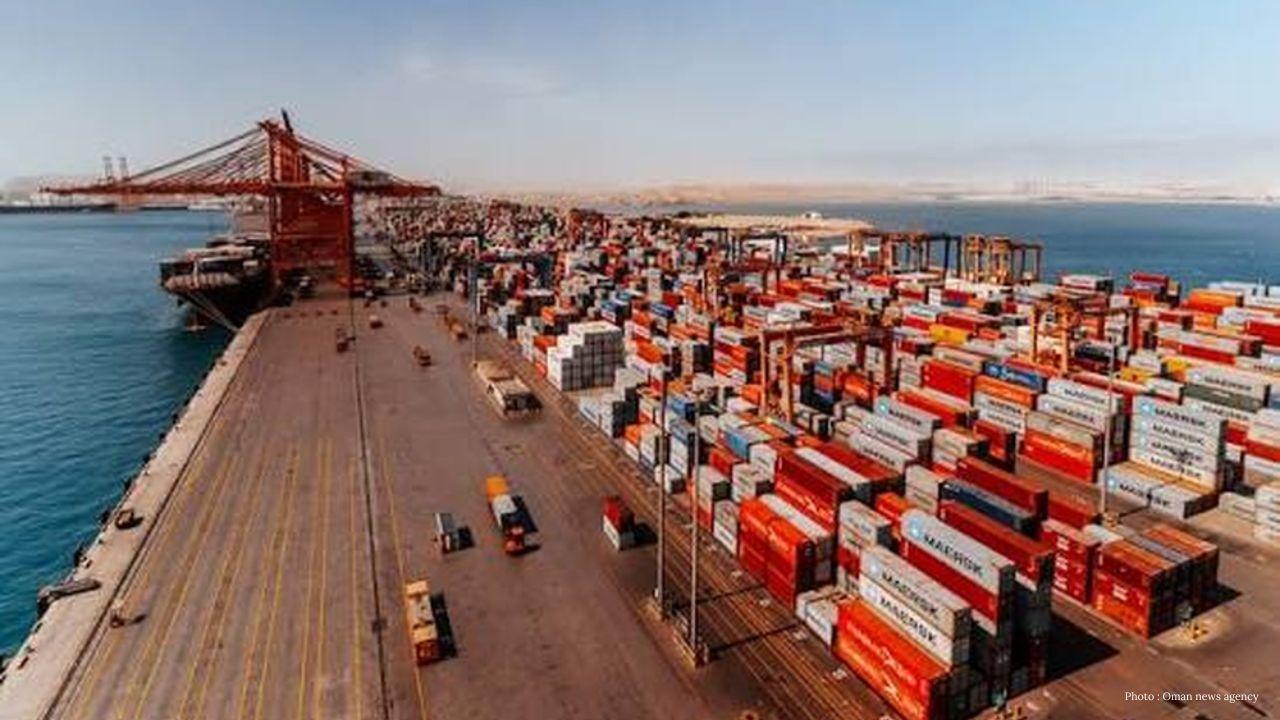
Several key facilities were impacted; for instance, Terminal 3 at Dubai International Airport was damaged during an attack on March 1, leading to evacuations and injuries among airport staff. Additionally, Jebel Ali Port experienced fires from debris, and major oil tanks at the Fujairah Petroleum Hub burned for several days, hindering shipping and fuel operations.
Economic Consequences Grow
Beyond physical damage, the conflict significantly affected the UAE's economy.
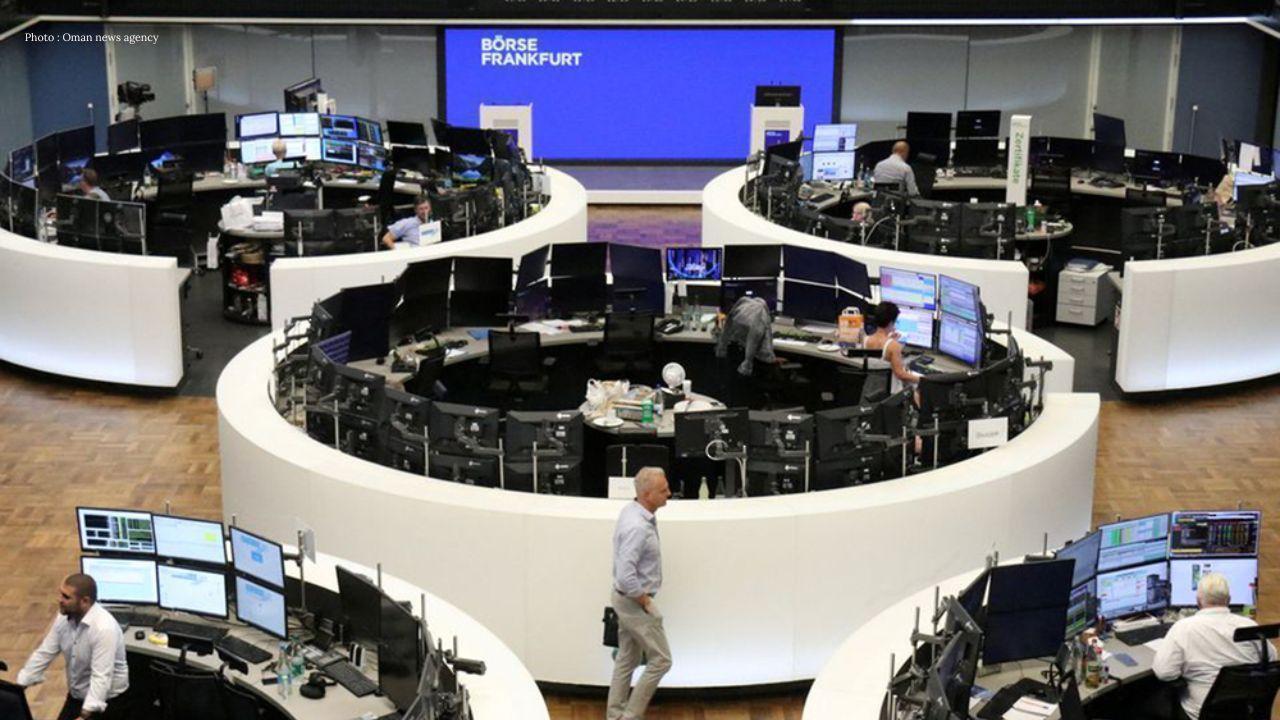
Financial estimates suggest approximately $120 billion in market value was lost from the Dubai and Abu Dhabi stock exchanges as investors reacted to escalating uncertainty. Aviation services were heavily disrupted due to frequent missile alerts, leading to temporary closures at Dubai International Airport.
Industry analysts estimate that each minute of halted runway activity resulted in losses near $1 million, highlighting the airport’s role as one of the busiest international transit nodes globally.
The real estate market also took a hit, with transaction numbers declining and property prices plummeting by as much as 15% in some regions, as investors adopted a cautious approach amid the regional unrest.
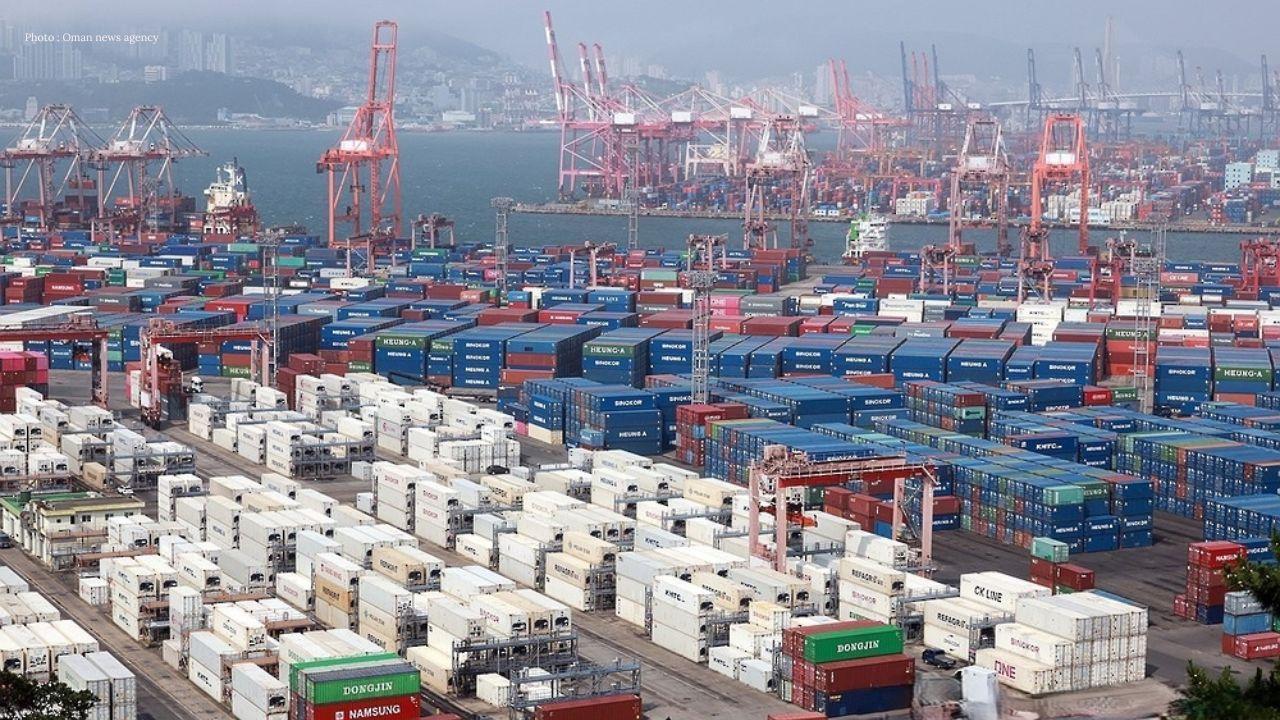
Meanwhile, instability in the Strait of Hormuz—one of the globe's vital maritime trade channels—disrupted shipping operations and heightened worries over energy supplies traversing the Gulf.
The United Nations Development Programme (UNDP) estimates that the ongoing regional conflict could diminish the UAE's GDP by nearly five percent, a setback that would mark its most significant economic decline since the Covid-19 pandemic and threaten its status as a stable global hub for trade and finance.
While the details revealed by The Wall Street Journal have attracted considerable attention, they underline the considerable impact of the conflict on regional security dynamics, increasing worries over a potential wider confrontation throughout the Gulf.


 English