Post by : Saif
Al-Najjar
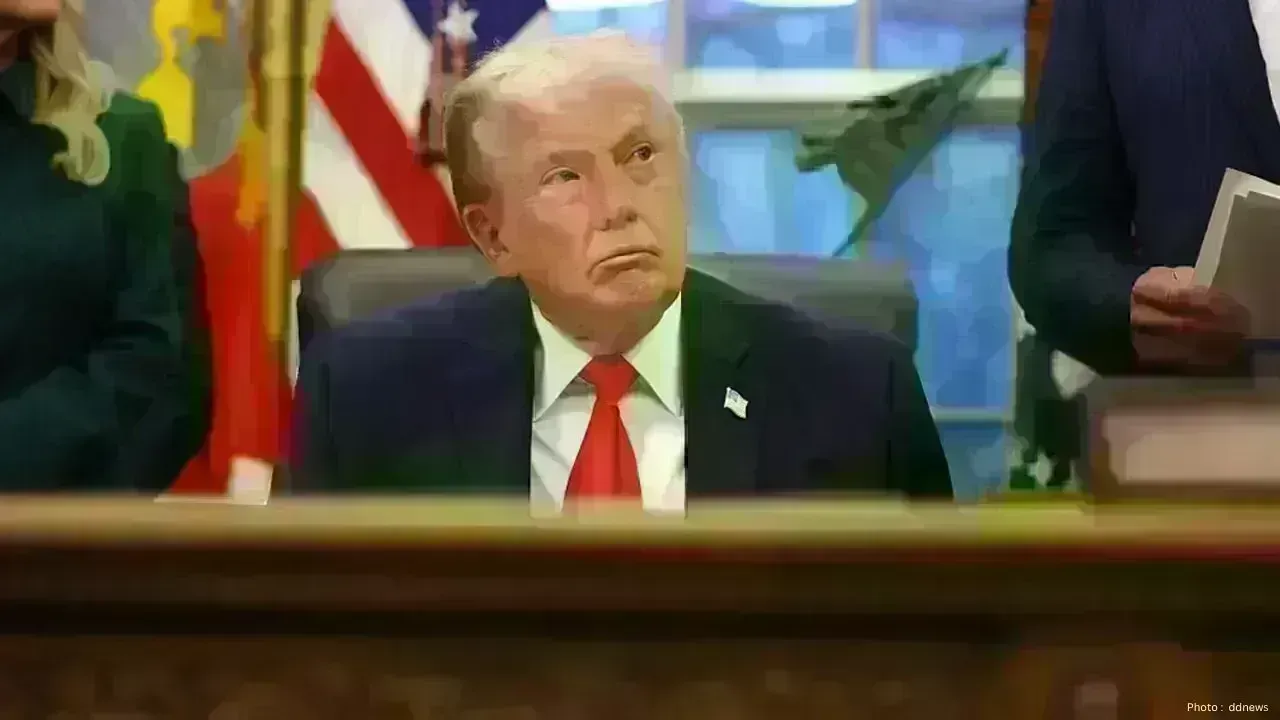
President Donald Trump has indicated that another military operation against Iran could be on the table if ongoing diplomatic talks fail to progress. Simultaneously, he noted that Tehran seems eager to negotiate a settlement to prevent additional hostilities.
During a recent briefing at the White House, Trump revealed he had nearly authorized military action but opted to pause as negotiations continue. He expressed optimism that a resolution could still be achievable in the near term.
These comments arise amid escalating tensions in the Middle East, where relations between Iran and the U.S. have remained precarious, largely due to Iran’s nuclear ambitions and security dilemmas in the Gulf.
Trump emphasized the U.S.’s readiness to take action if Iran does not acquiesce to the proposed conditions. He hinted that Iranian officials might be reluctant to engage in extensive military confrontation.
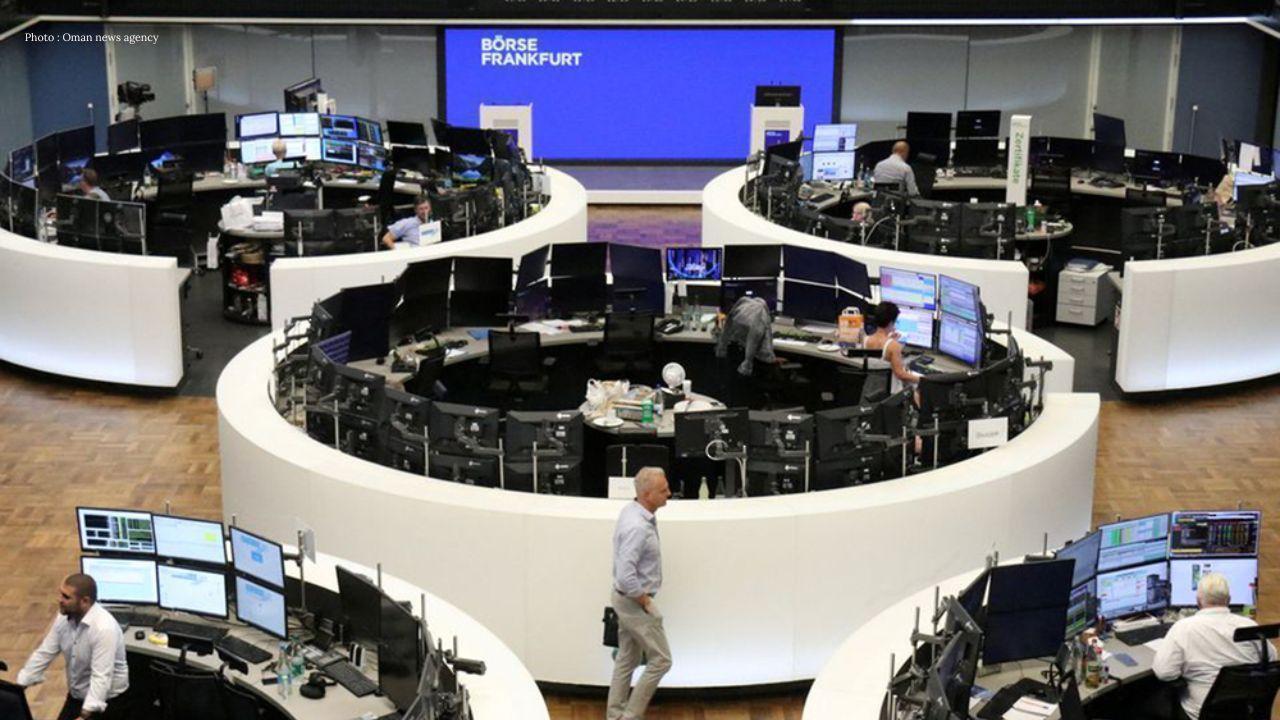
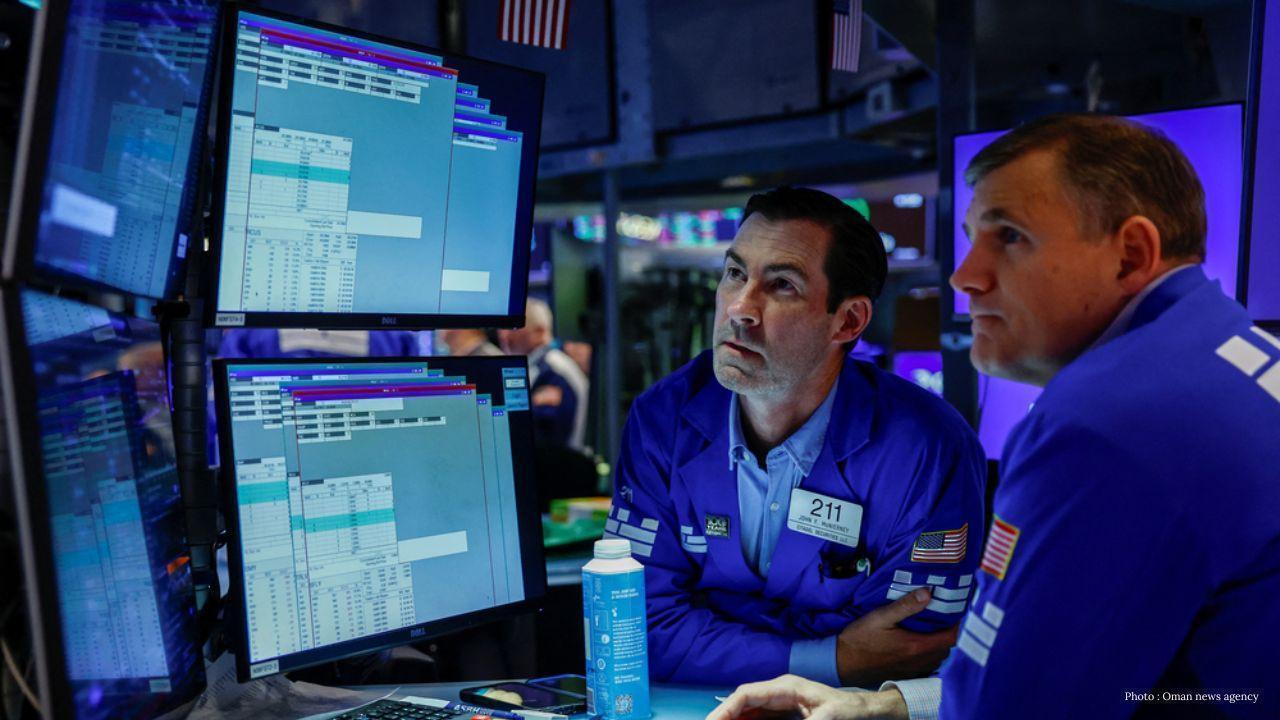
This unfolding scenario is inducing volatility in global markets, particularly within the energy sector, as traders closely observe events that could impact oil availability and pricing.
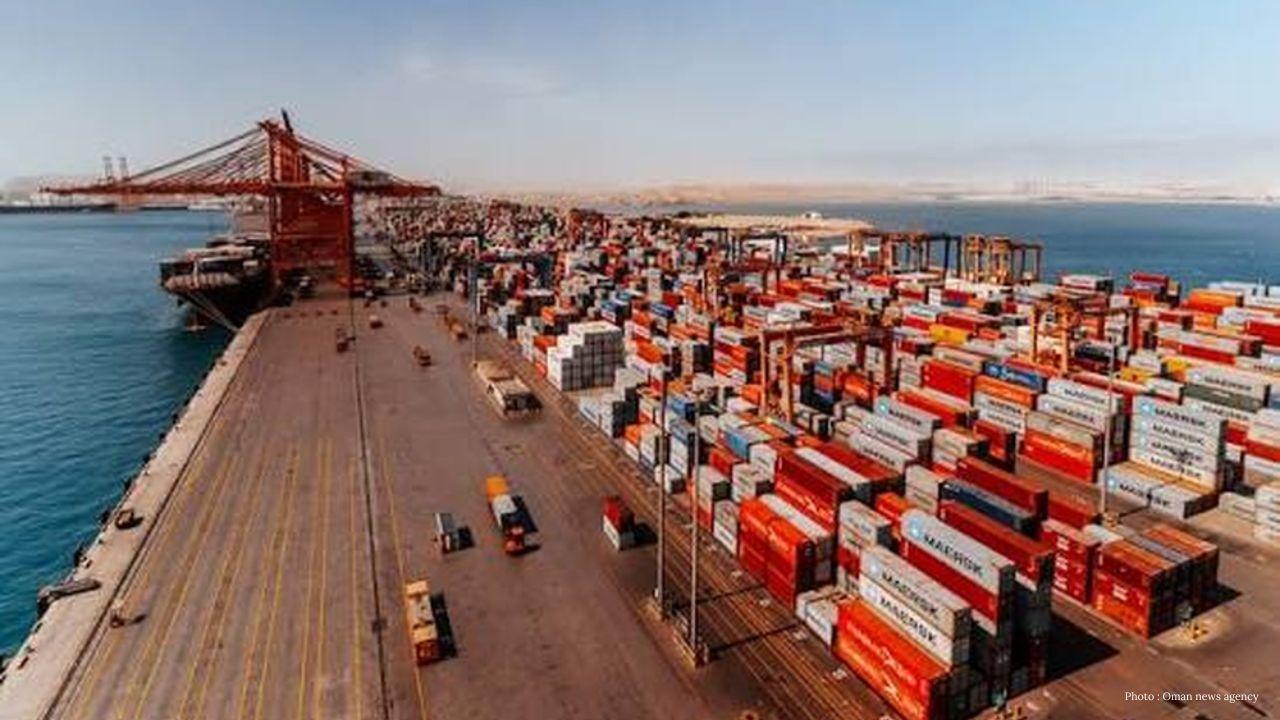
Being a critical player in the Middle East, Iran significantly influences regional energy channels, especially the strategic Strait of Hormuz, vital for global oil transit. Any military flare-up could disrupt international trade and elevate fuel expenses globally.
Political experts suggest Trump’s statements reflect a dual approach of exerting pressure while still keeping the door open for negotiation. The U.S. continues to issue stern warnings, yet a willingness to engage in discussions appears evident.
Observers note that both nations recognize the dangers of a broader conflict, which could destabilize the region, harm the international economy, and exacerbate political frictions across the area.
The ongoing diplomatic discussions are thought to encompass various topics, including Iran’s nuclear programs, sanctions, security, and future military agreements. However, achieving a comprehensive deal is complicated by rigid stances from both parties.
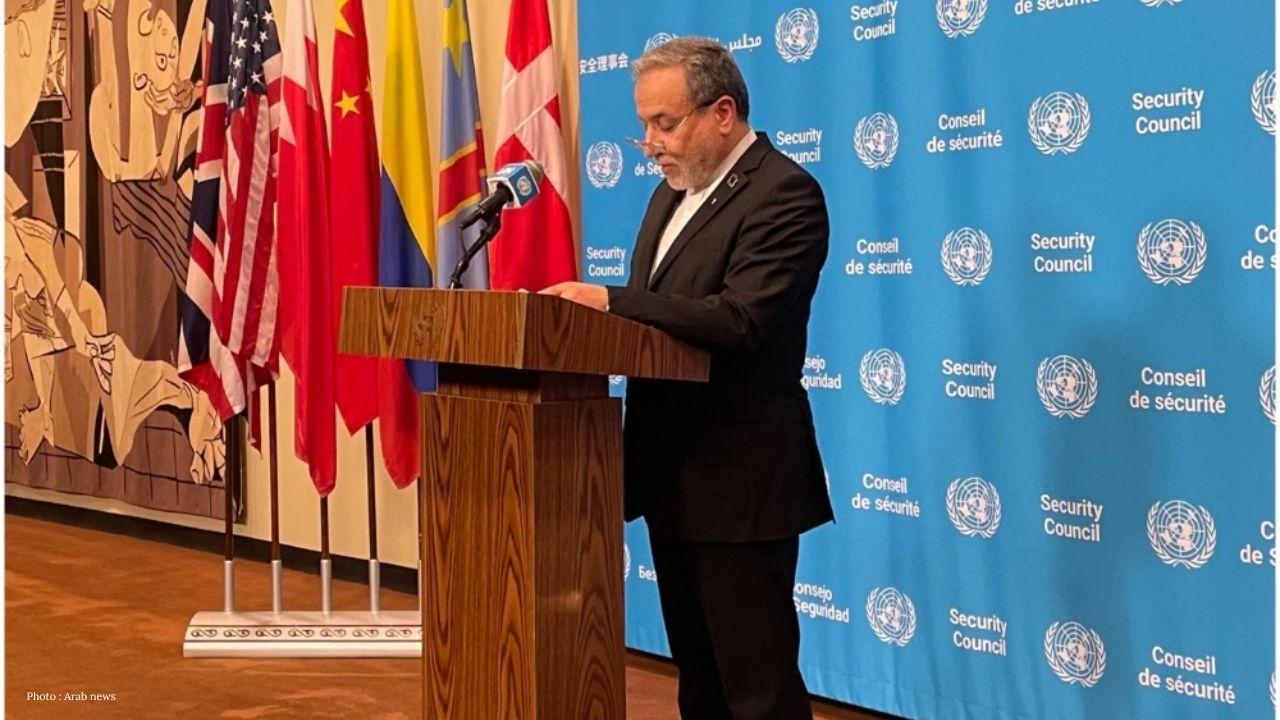
As the global community monitors developments, numerous governments advocate for de-escalation and a preference for diplomatic resolutions over military responses.
Energy markets are already responding to the uncertainty, with oil prices sensitive to communications from both Washington and Tehran. Even slight shifts in dialogue can quickly influence global financial landscapes.
Some analysts propose that the current scenario illustrates a broader contest for power within the Middle East, where political strife, security issues, and economic aspirations are intricately tied.
Despite strong rhetoric from the U.S., lines of diplomatic dialogue have not completely severed, fostering cautious optimism that agreements may yet avert another military engagement.


 English