Post by : Saif
Al-Najjar
In numerous African nations, political authority has been consolidated under the same individuals for extended periods. From Uganda in the east to Cameroon in central Africa, certain presidents have dominated the political landscape for so long that entire generations have only known their leadership. This situation raises pressing questions about the health of democracy, accountability, and the trajectory of governance on the continent.
A prominent case is Cameroon, where President Paul Biya ascended to power in 1982 and has since maintained his position. Over the decades, legal amendments have been made to eliminate restrictions on presidential tenure. Consequently, Biya has managed to compete in and win several elections, even into his 90s. Proponents argue he ensures stability, whereas critics contend that prolonged rule has undermined democratic institutions and curtailed political freedoms.
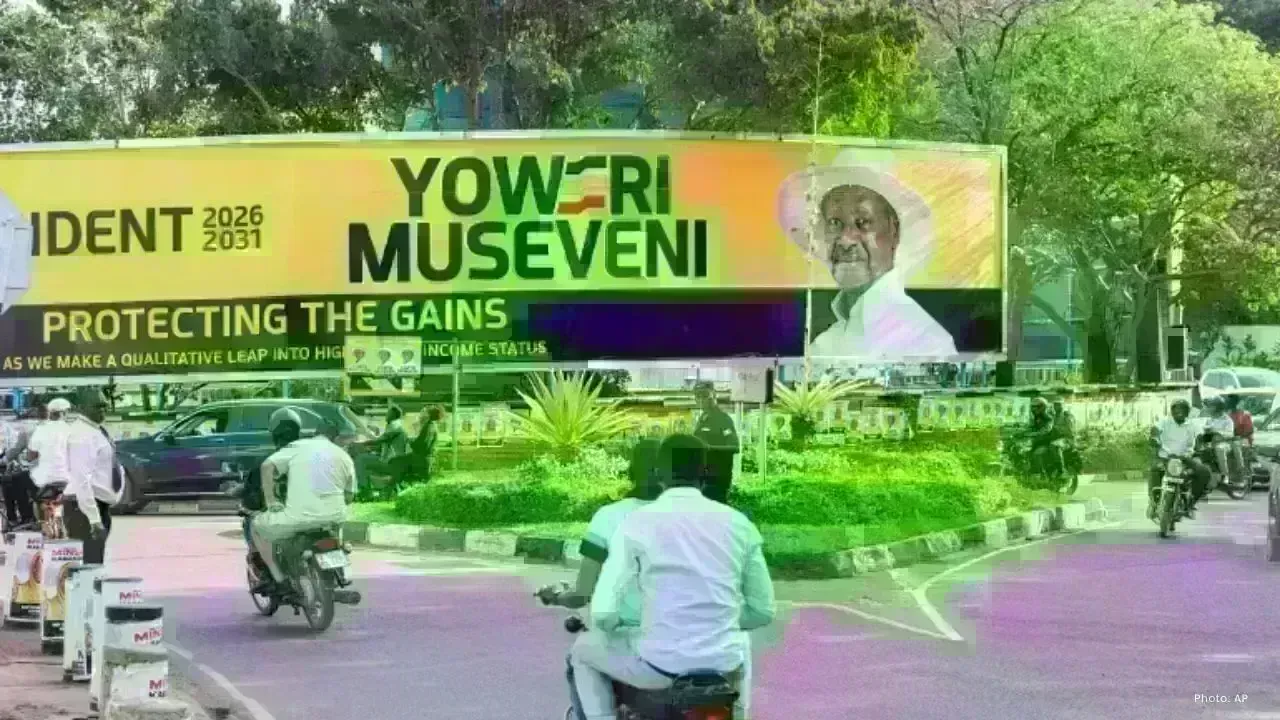
Similarly, Uganda illustrates a comparable narrative. President Yoweri Museveni has been at the helm since 1986. Initially viewed as a reform-oriented leader following a tumultuous period, Museveni has overseen constitutional alterations that have abolished both term and age restrictions for presidents. This has enabled him to persistently seek re-election. A growing number of Ugandans are questioning the authenticity of elections, given the unchanging leadership.
Throughout Africa, such leaders typically stay in power through legal channels rather than outright coercion. Amending constitutions is a prevalent tactic. By removing term limits, sitting presidents can legally maintain power as long as they continue to prevail in elections. Moreover, dominance over political parties, state media, and security apparatuses can create significant obstacles for opposition figures.
Supporters of these enduring leaders often emphasize the value of experience. They argue that long-serving presidents possess an in-depth understanding of their nations and can shield them from instability or economic distress. In regions grappling with security risks or poverty, some citizens prefer stable leadership over potentially disruptive change.
Contrarily, many citizens fervently contest this perspective. They assert that protracted rule undermines democratic principles. Extensive leadership tenures potentially erode the autonomy of institutions like the judiciary, legislation, and electoral agencies, diminishing checks and balances and fostering corruption. Emerging leaders often find it challenging to carve out a space in the political arena, stifling innovation and fresh viewpoints.
Public discontent is surging in various nations where leaders appear unwilling to relinquish power. Demonstrations, civil society critiques, and activism from opposition factions indicate a growing demand for genuine political transformation. Citizens are increasingly seeking accountable leadership and systems that allow for peaceful transitions of power.
The implications of this phenomenon transcend individual leaders; they pertain to the integrity of democratic governance. Robust democracies rely upon explicit limitations, fair electoral processes, and adherence to the rule of law. When these frameworks are compromised, governmental trust erodes.
Africa’s landscape is varied, and not all countries conform to this trend. Several nations have demonstrated that peaceful power transitions are both achievable and advantageous. These instances provide a glimmer of hope that democracy can flourish when leaders honor limits and respect the choices of their constituents.
Ultimately, the political future in Africa hinges on whether leaders opt to serve their populations for a defined period or seek to govern indefinitely. The decision made will significantly influence trust, stability, and prospects for future generations.


 English