Post by : Saif
Al-Najjar
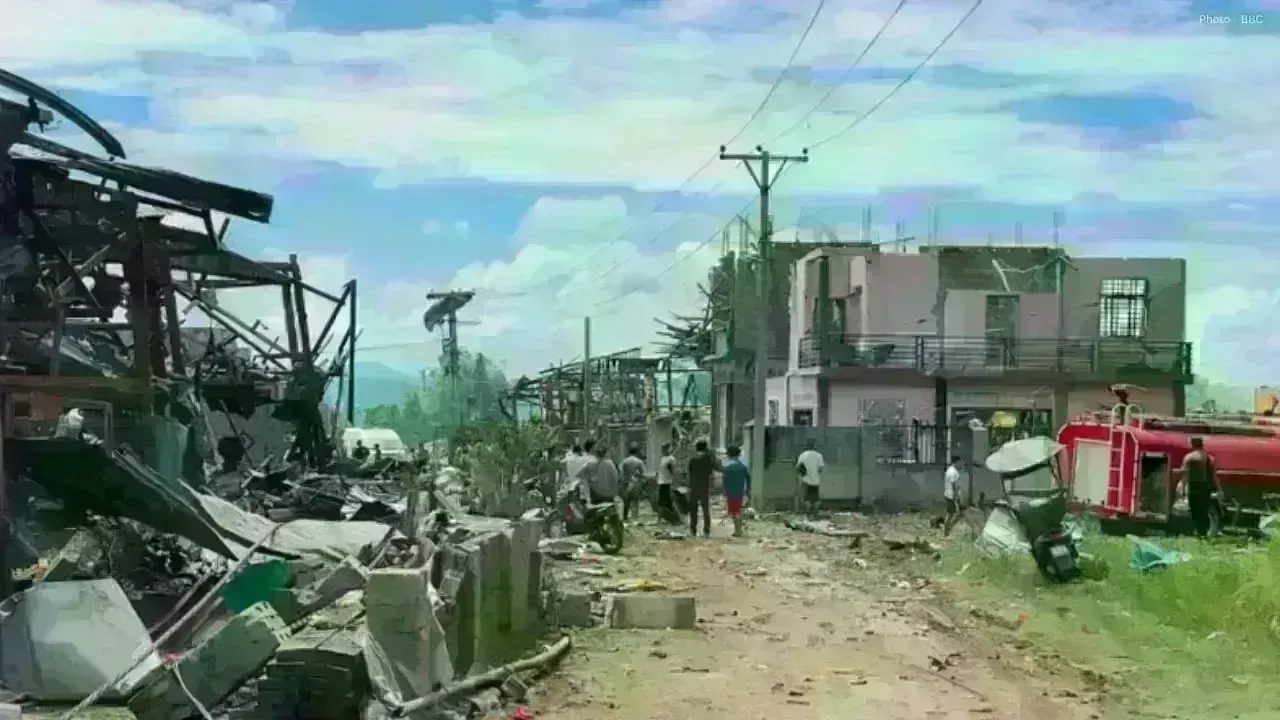
The conflict in Myanmar has escalated tragically with a powerful explosion occurring in a rebel-controlled village, resulting in the deaths of numerous civilians and numerous injuries. This heart-wrenching event underscores the dire humanitarian challenges plaguing the nation, where years of conflict have exacerbated threats to civilian safety.
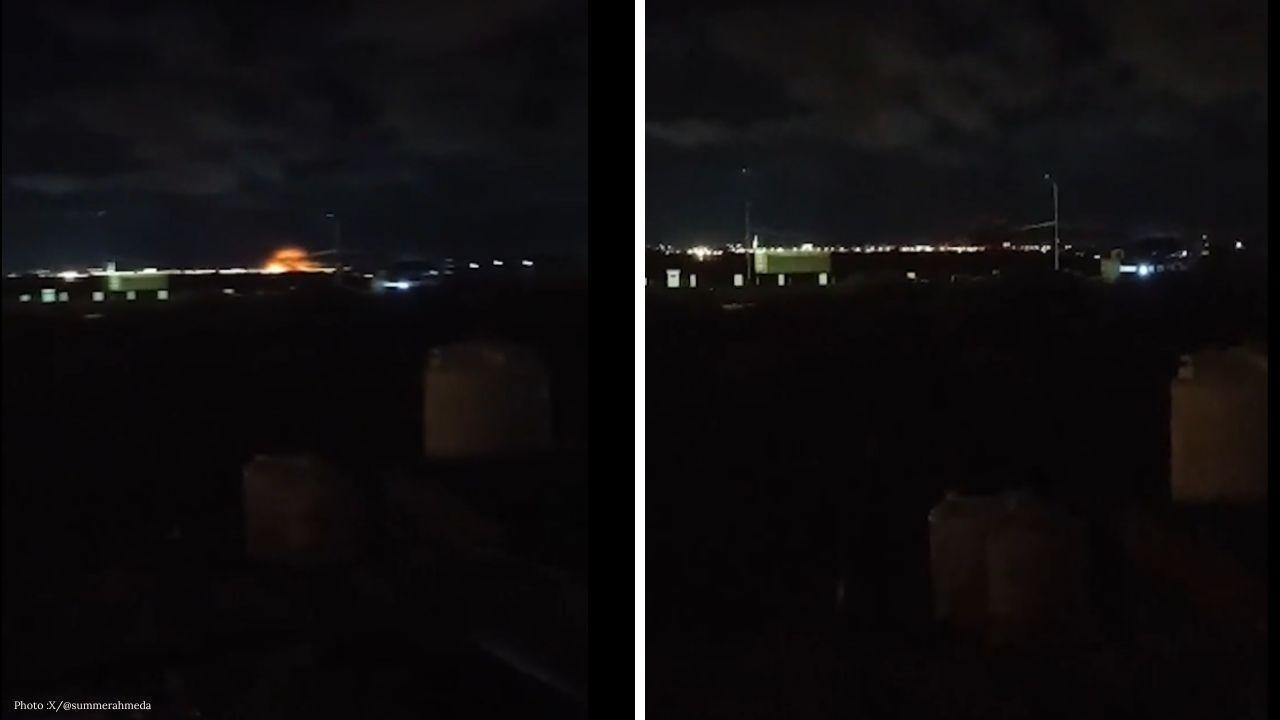
The blast resonated through a territory governed by resistance groups, causing extensive destruction and loss of life. Local residents and rescue teams hurried to the scene to search for survivors and offer aid to the injured. The magnitude of the catastrophe emphasizes the severe repercussions these incidents pose to communities already vulnerable due to ongoing instability.
Authorities are currently investigating the explosion's cause. Within conflict zones, establishing accountability for such acts is often complicated due to limited information and precarious conditions. Nonetheless, this calamity has ignited renewed focus on the risks faced by civilians amid ongoing hostilities.
Years of political and military unrest have beset Myanmar, with numerous skirmishes erupting between national forces and various resistance factions. This has created an intricate security landscape driving thousands from their homes, while many communities find themselves lacking basic necessities like food and healthcare.
The recent explosion painfully reminds us that it is often ordinary civilians who bear the brunt of armed conflicts. Families in these regions continually navigate uncertainty, displacement, and threats of violence, with children and vulnerable individuals particularly at risk.
Humanitarian agencies have consistently voiced concerns about the conditions in conflict-affected regions. Security risks, deteriorated infrastructure, and movement restrictions complicate access to essential aid, hindering support to communities in desperate need.
The reported fatalities have alarmed international observers, with civilian casualty incidents raising pressing questions about the safeguarding of non-combatants and the imperative to mitigate harms amidst ongoing conflicts.
The explosion serves as a poignant reminder of the broader consequences stemming from systemic instability. Areas impacted by violence witness disruptions in education, healthcare, and economic activities, with schools closing, businesses faltering, and public services deteriorating.
The economic landscape in Myanmar has worsened, with ongoing insecurity severely affecting investment opportunities, trade, and job markets. For families already grappling with poverty, these additional strains bring heightened difficulties.
The humanitarian ramifications stretch beyond those directly impacted by individual incidents. Widespread violence can force individuals to flee, creating displacement crises that burden local resources and aid organizations. Many families displaced by conflict endure prolonged periods in precarious circumstances.
International organizations are amplifying calls for enhanced protection measures for civilians and better access for humanitarian initiatives across Myanmar. Both human rights entities and aid groups stress the necessity of delivering assistance to those in need, regardless of political or militaristic contexts.
This tragedy accentuates the critical need for ongoing peace and stability initiatives. Despite military-focused news narratives, enduring solutions require constructive dialogue, political engagement, and addressing core conflict drivers. Without considerable strides in these directions, communities will likely find themselves caught in relentless cycles of violence.
Regional powers and global partners are closely observing the changing dynamics in Myanmar, recognizing that stability within the country is crucial not just for its populace but for neighboring countries impacted by displacement and security issues.
In the immediate aftermath, local inhabitants are focused on recovery and aiding those affected by the devastation. Families mourning the loss of loved ones and injured individuals facing long-term rehabilitation will require substantial support and resources to rebuild their lives.
The incident highlights the human toll of conflict. Each number represents a story—a life irrevocably changed. Acknowledging this reality is vital to understanding the broader implications of the political and military situation.
As investigations proceed and rescue operations continue, the global community remains vigilant, eager for clarity on the explosion's cause and its broader ramifications. Humanitarian organizations are poised to persist in advocating for civilian protection and improved humanitarian access.
The tragic events in this rebel-held village starkly illustrate the current challenges facing Myanmar. Sustainable peace, enhanced humanitarian assistance, and renewed stabilization efforts are imperative to preventing future tragedies and supporting affected communities in reclaiming their lives with dignity.


 English