Post by : Saif
Al-Najjar
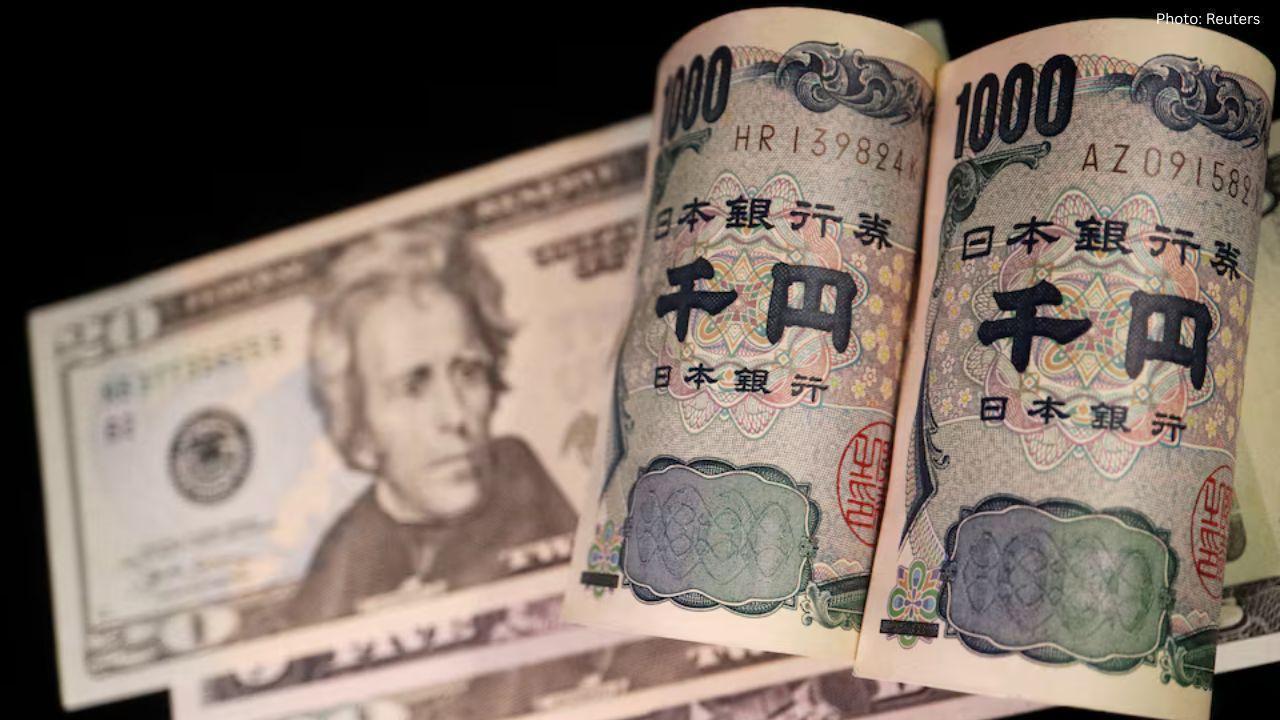
Japan’s prominent business organizations are urging the government to implement more decisive measures to address the weakening yen, cautioning that the depreciating currency is escalating import expenses and creating financial strain on families and companies nationwide.
This appeal emerged from the leaders of two significant business associations, who expressed their concerns in distinct interviews with Japanese outlets as the new year commenced. Their remarks highlight a growing awareness that, although a weaker yen may benefit exporters, it inflicts broader economic distress.
Yoshinobu Tsutsui, the leader of Keidanren, Japan’s largest business group, emphasized that while a weak yen is often lauded for increasing exports' profitability, this perspective is overly simplistic. He posited that, from a longer-term national standpoint, Japan would be better positioned by pursuing a more robust and stable yen.
Throughout 2025, the yen struggled considerably, remaining one of the few major currencies that didn’t reap benefits, even when the U.S. dollar softened. This discord occurred despite the Bank of Japan incrementally raising interest rates during the year. Analysts contend that uncertainty regarding the pace of future rate increases has hindered the yen’s potential recovery.
The weakened currency has contributed to inflationary pressures, rendering imported goods pricier. This added inflation concern helped persuade the central bank that another interest rate increase was essential last month. Yet, there are ongoing uncertainties regarding the extent and speed of future rate hikes in 2026.
At the close of 2025, the yen was exchanging at approximately 157 per U.S. dollar, nearing levels that had triggered earlier warnings from Japanese officials. The last time Japan intervened in currency markets was in July 2024, when it supported the yen as it fell to its lowest level in nearly four decades.
Additionally, Ken Kobayashi, chairman of the Japan Chamber of Commerce and Industry, pointed out the challenges faced by small and medium-sized enterprises. He noted that the weak yen has significantly inflated the cost of imported raw materials, thereby squeezing profit margins for smaller enterprises.
Kobayashi also stressed the necessity for the government and central bank to restore business owners' confidence, as many feel overwhelmed by escalating costs. He warned that without proactive measures, the weak yen may persist in undermining daily life and inhibiting economic growth.
These insights collectively underscore the mounting pressure on Japanese policymakers to strike a more favorable balance. While exporters may see short-term gains, business leaders advocate that a stable and strengthened yen is crucial for safeguarding households, sustaining small businesses, and bolstering Japan’s economy in the long run.


 English