Post by : Saif
Al-Najjar
India has approached the United States to request an extension of the waiver permitting the purchase of Russian oil as the ongoing conflict in Iran intensifies pressures on global energy supplies. This appeal underscores India's escalating concerns regarding fuel security, surging oil prices, and the broader economic implications of turmoil in West Asia.
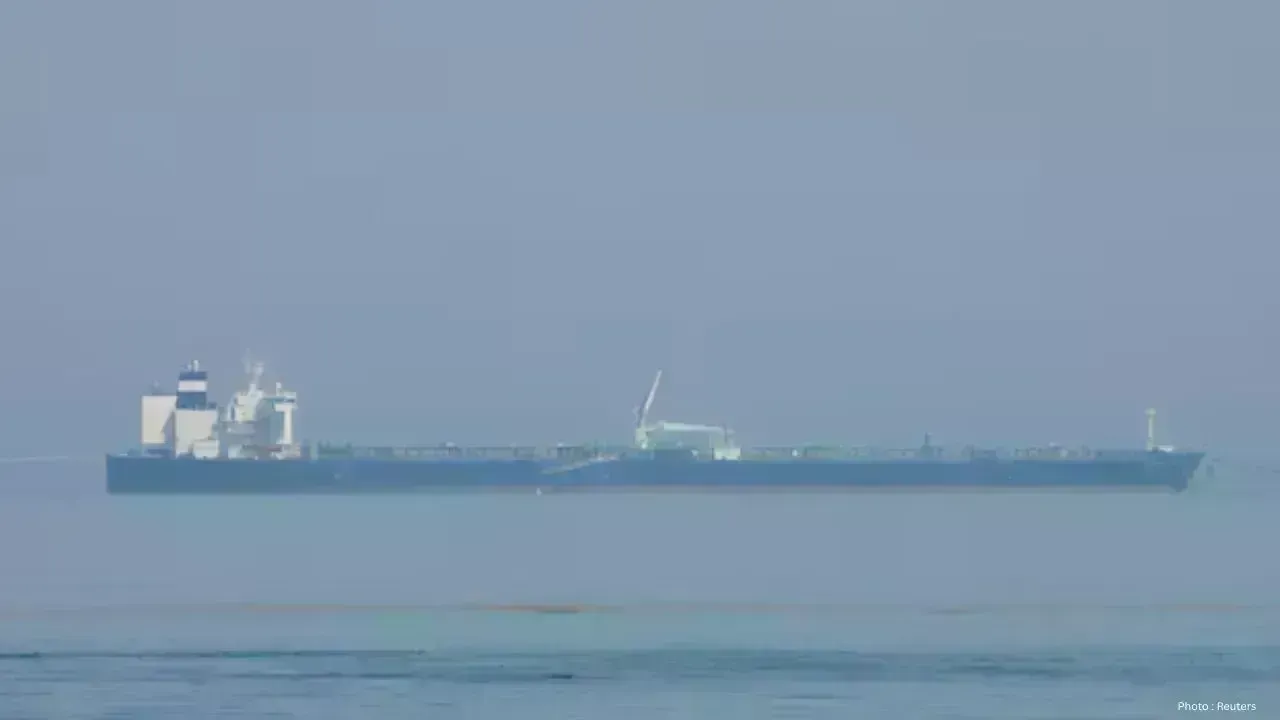
The conflict in Iran has introduced significant unpredictability in the global oil landscape. Increased hostilities in the region have heightened worries about potential disruptions to essential shipping routes, particularly the Strait of Hormuz, through which a considerable portion of the world's oil supply is transported daily.
As one of the foremost importers of crude oil, India relies heavily on external energy sources to bolster its economy. Following the imposition of sanctions on Russia during the Ukraine crisis, India notably enhanced its imports of discounted Russian crude to lower fuel expenses and address inflationary pressures.
Previously, the United States had issued temporary waivers allowing select nations to continue acquiring Russian oil under certain conditions. These waivers were primarily aimed at averting substantial disruptions in global energy markets and preventing drastic spikes in fuel prices worldwide.
In light of the ongoing Iran conflict affecting oil supplies and shipping security, India is now reportedly seeking another extension of this waiver. Indian authorities are worried that stricter regulations on Russian oil could exacerbate fuel prices at a time when global markets are already unsettled.
Energy security remains a critical concern for India, as fluctuations in fuel prices can directly influence transportation, food prices, industrial output, and overall economic growth. A significant elevation in oil prices could trigger inflationary effects and exert pressure on households and enterprises nationwide.
In recent years, Russian oil has become a pivotal element of India's energy strategy. The acquisition of cheaper crude from Russia has allowed India to manage import expenditures while ensuring a steady supply of fuel amid global uncertainties.
This scenario further illustrates India's calculated diplomatic balancing act, maintaining robust strategic and economic ties with both the United States and Russia while safeguarding its national interests.
Simultaneously, the United States faces a challenging predicament. While some policymakers advocate for sustaining pressure on Russia via sanctions, others argue that stable global energy supplies are essential to avert a broader economic crisis in light of the Iran conflict.
The ongoing hostilities in West Asia have begun to impact global trade, shipping expenses, and energy prices. Analysts caution that any escalation could lead to further complications for the global economy and intensify inflation in numerous nations.
In response, India has been actively seeking to enhance its energy security through the exploration of alternative supply routes and strategizing for potential disruptions in global oil markets.
This recent waiver request illustrates the interconnectedness of global politics and energy markets. Conflicts in one region can swiftly influence fuel prices, economic stability, and trade systems worldwide.
For India, securing affordable and stable oil imports is not merely an economic imperative but also crucial for national stability and growth.
This situation highlights the increasing importance of energy diplomacy in international relations, with countries making strategic choices influenced not just by political factors but also by long-term economic and energy requirements.
As the Iran conflict continues to cast uncertainty over global markets, India's appeal for a waiver extension may emerge as a significant diplomatic matter between New Delhi and Washington in the forthcoming weeks.


 English