Post by : Saif
Al-Najjar
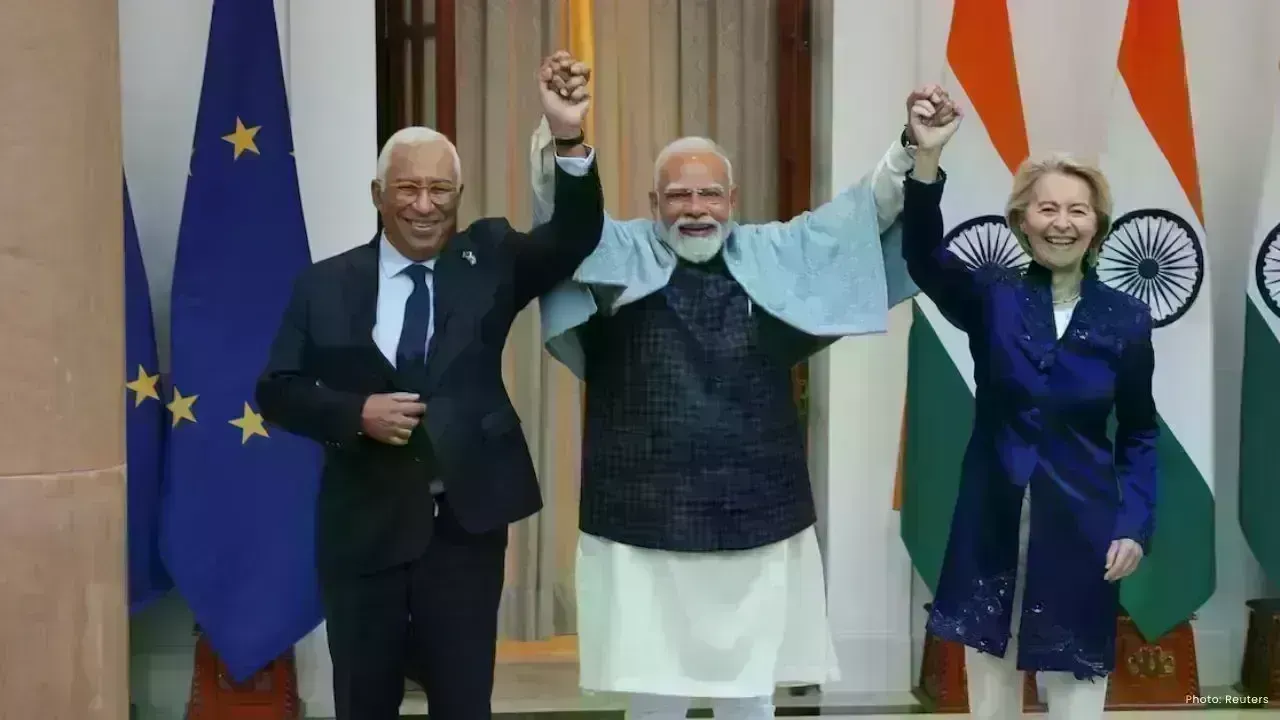
India and the European Union have sealed a groundbreaking trade agreement, recognized as one of the most significant global economic pacts in recent times. Prime Minister Narendra Modi declared this achievement on Tuesday, labeling it a pivotal moment in the evolution of trade relations between India and the EU.
After almost two decades of arduous negotiations, the deal is poised to align India’s extensive economy with the 27 member nations of the EU, forging a trade relationship that comprises around 25% of the global economic output and nearly a third of worldwide trade activities.
Modi emphasized that this agreement presents a considerable opportunity for citizens on both continents. He highlighted its potential to benefit approximately 1.4 billion people in India and countless individuals across Europe by unlocking new markets, generating employment, and stimulating investment opportunities. European Commission President Ursula von der Leyen is anticipated to join Modi in disclosing more details during an upcoming India–EU summit in New Delhi.
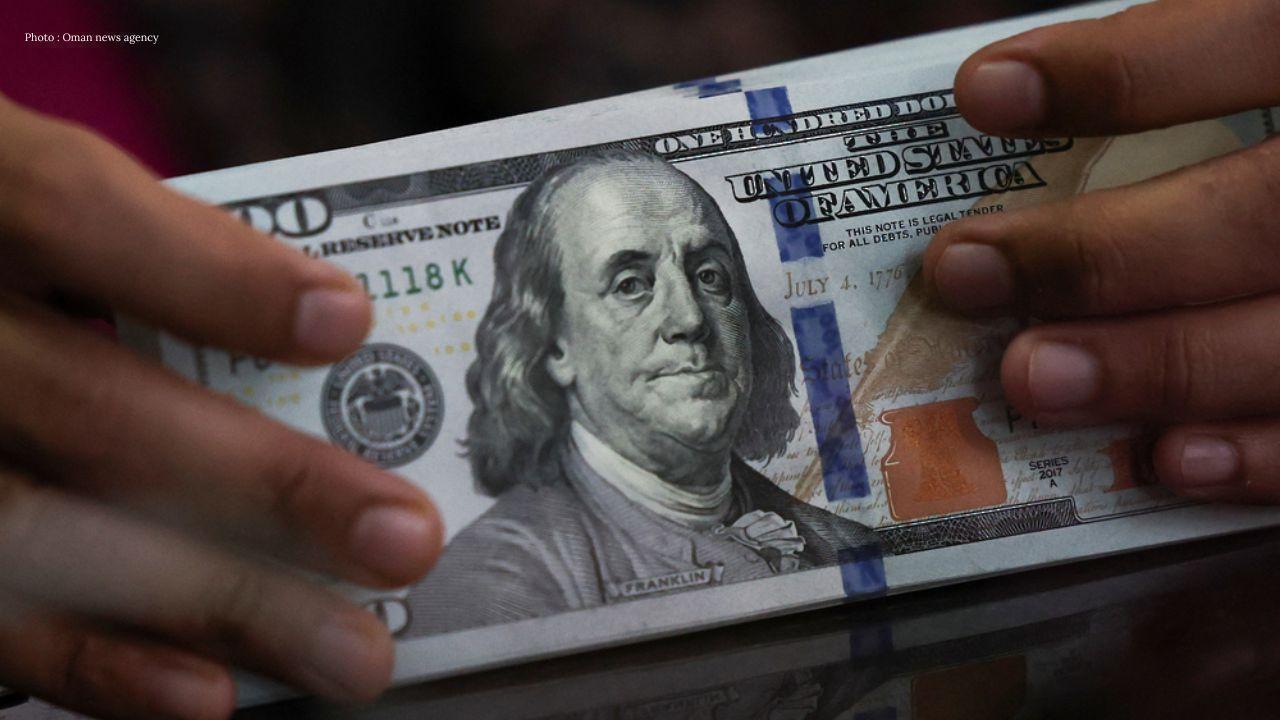
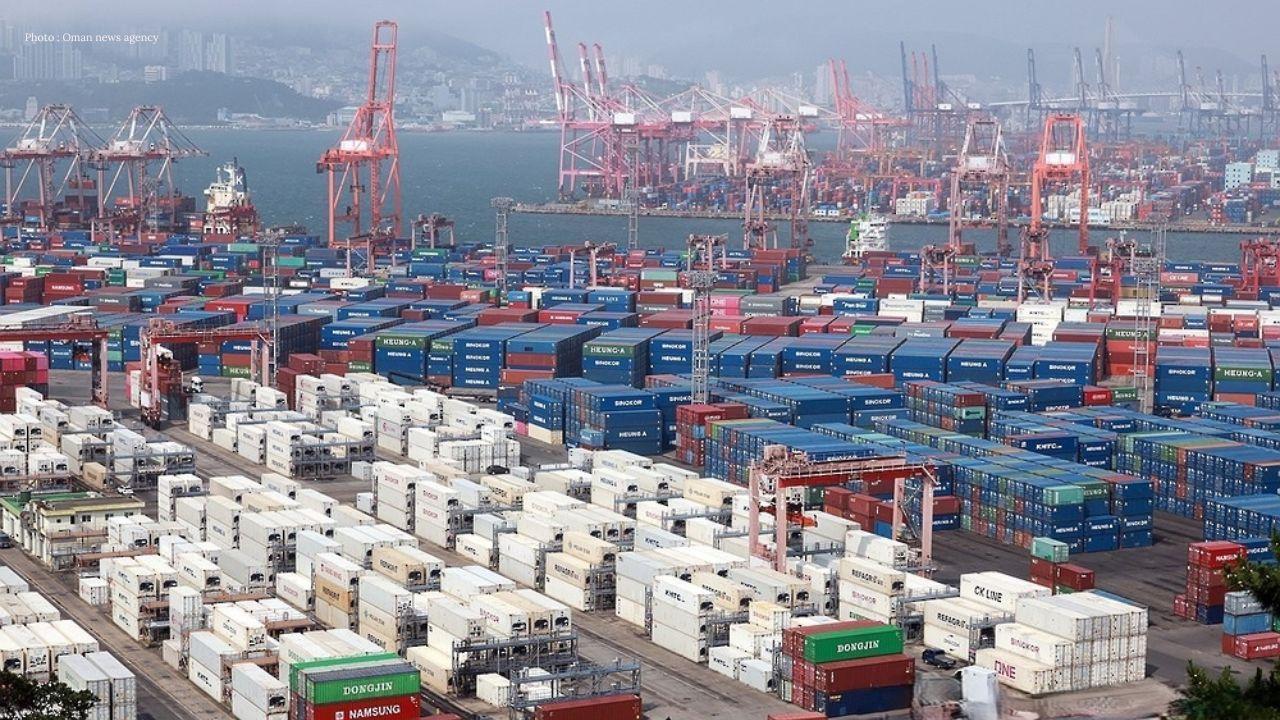
The EU already ranks as India’s largest trading partner, with trade figures reaching $136.5 billion in the financial year concluding March 2025. This new agreement is expected to significantly enhance these numbers by minimizing tariffs, simplifying trade regulations, and enhancing access for various goods and services.
For India, this deal signifies a readiness to open certain sectors of its traditionally protected market to external competition, aiding local industries in strengthening their capabilities, enhancing product standards, and drawing increased foreign investment. European enterprises, particularly in sectors such as automobiles, technology, clean energy, and manufacturing, will find a burgeoning market in India, with significant demand on the horizon.
This agreement mirrors a larger trend in global trade dynamics. Several nations are striving for reinforced trade partnerships outside the United States amidst rising global political uncertainties. Ongoing tensions, characterized by elevated tariffs imposed by the U.S. on Indian products and stalled trade discussions between India and the U.S., have propelled New Delhi and Brussels towards a more robust collaboration.
In recent times, the European Union has also entered into key trade agreements with the Mercosur bloc in South America and various other nations. India has similarly progressed, finalizing pacts with Britain, New Zealand, and Oman. These developments illustrate how countries are adapting their trade affiliations in response to unpredictable policy shifts elsewhere.
While this political agreement has been finalized, it remains to be fully enacted. Anticipated legal reviews and procedural requirements are expected to extend over the next five to six months before the deal attains official status.
Nevertheless, the announcement itself is perceived as a seminal change. If executed without issues, the India–EU trade deal could foster economic growth, enhance global supply chains, and provide both parties with greater security amidst an increasingly volatile economic landscape.


 English