Post by : Shakul
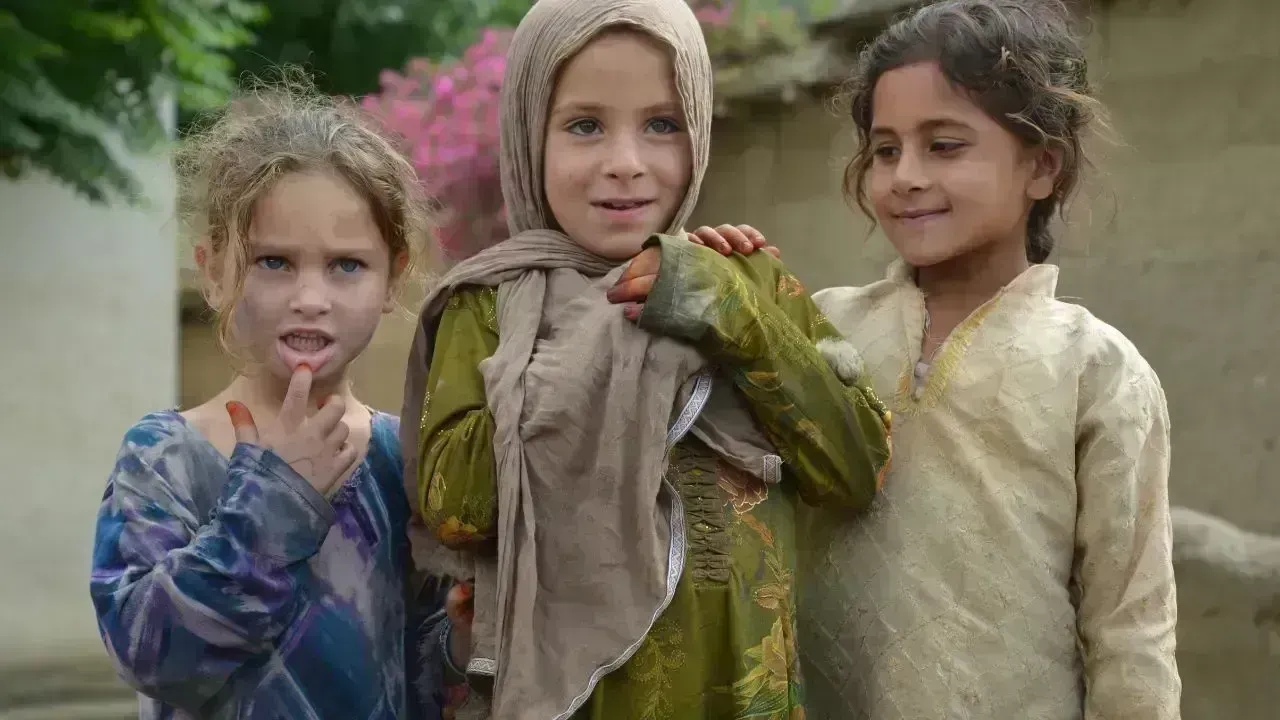
The prolonged conflict at the Afghanistan-Pakistan border has critically impacted educational systems, leaving thousands of children without schooling options. In Barikot village, Kunar province, destroyed classrooms and fleeing families have turned vibrant educational sites into desolate remnants.
As reported by the United Nations Office for the Coordination of Humanitarian Affairs, approximately 12,000 students face disruptions due to ongoing violence and urgently require secure environments to resume their studies. Numerous schools in the area are either severely damaged or closed, forcing children to endure lengthy absences from education.
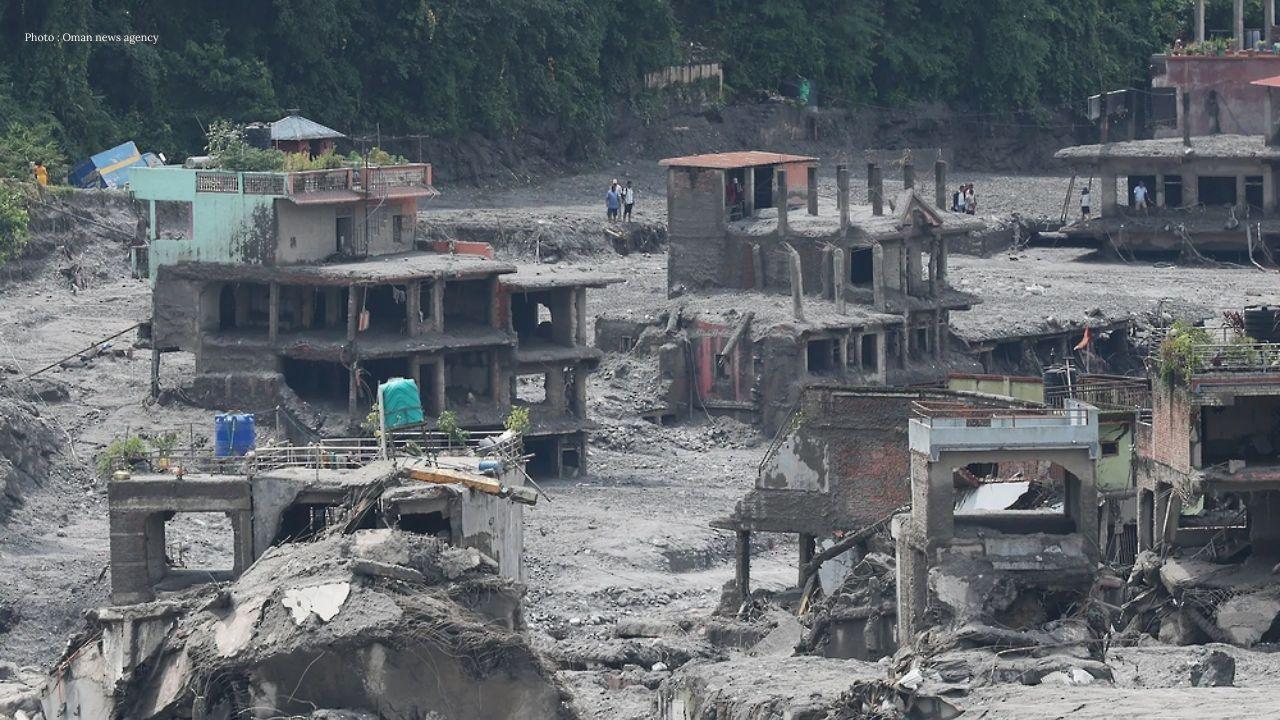
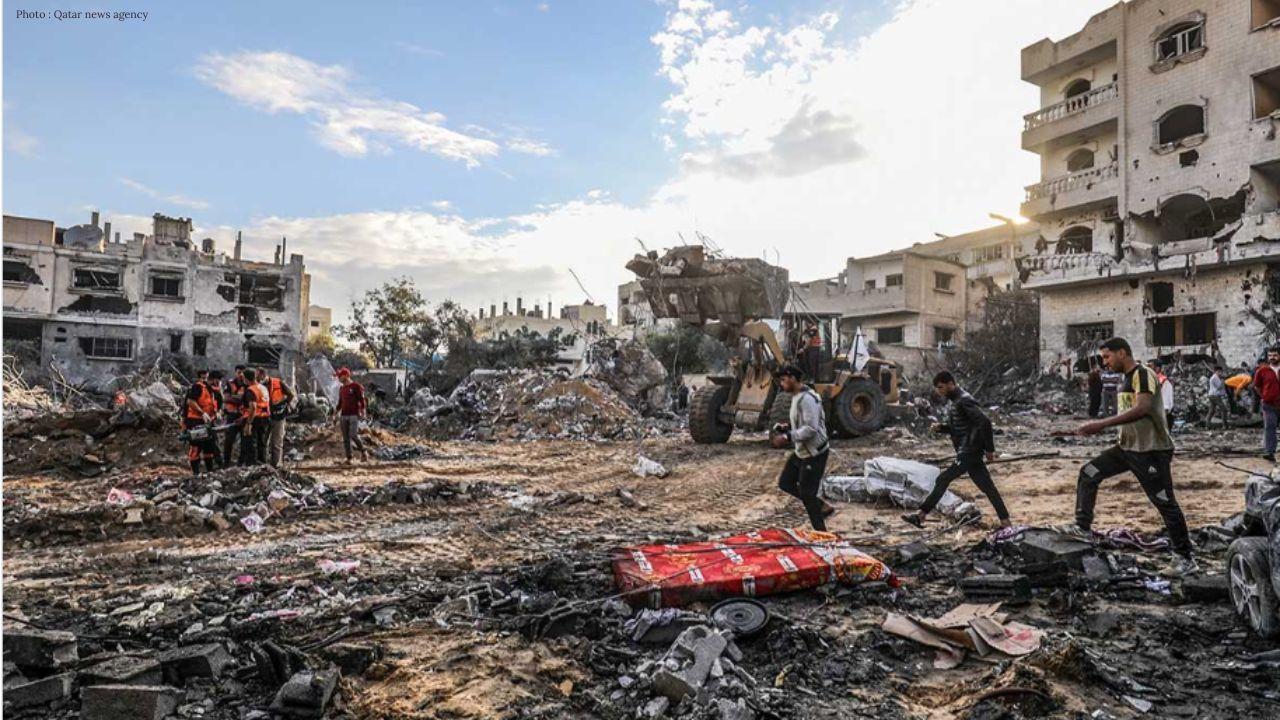
Once home to a functioning primary and high school, Barikot now stands deserted following intense shelling, with reports detailing significant damage to a school and a medical facility. The aftermath has left classrooms in ruins, textbooks scattered, and playgrounds eerily quiet.
The humanitarian crisis has escalated, with over 94,000 individuals displaced by the conflict, many of whom have settled in temporary camps along the Kunar River. Families are forced to live in shelters with inadequate access to clean water, sanitation, and healthcare, making daily life a struggle.
Children are among those most severely affected, with many unable to attend school. Overcrowded nearby institutions are overwhelmed by the influx of displaced pupils, while others remain entirely cut off from education. Parents and educators voice significant concerns regarding the adverse effects this situation will have on children’s futures.
Local authorities are striving to manage the crisis by relocating families to better-organized camps and seeking temporary educational arrangements. Nevertheless, persistent instability and limited resources remain obstacles, leaving countless children in a state of uncertainty.
The conflict’s toll on civilian life is also harrowing, with reports of casualties and severe damage in border areas. Though diplomatic initiatives, allegedly backed by China, have contributed to decreasing hostilities, the situation remains precarious, with many recovery efforts still uninitiated.
This crisis emphasizes the dire consequences of warfare on educational systems, highlighting the urgent need for global assistance to revive learning opportunities for impacted children and to reconstruct vital infrastructure.


 English