Post by : Shakul
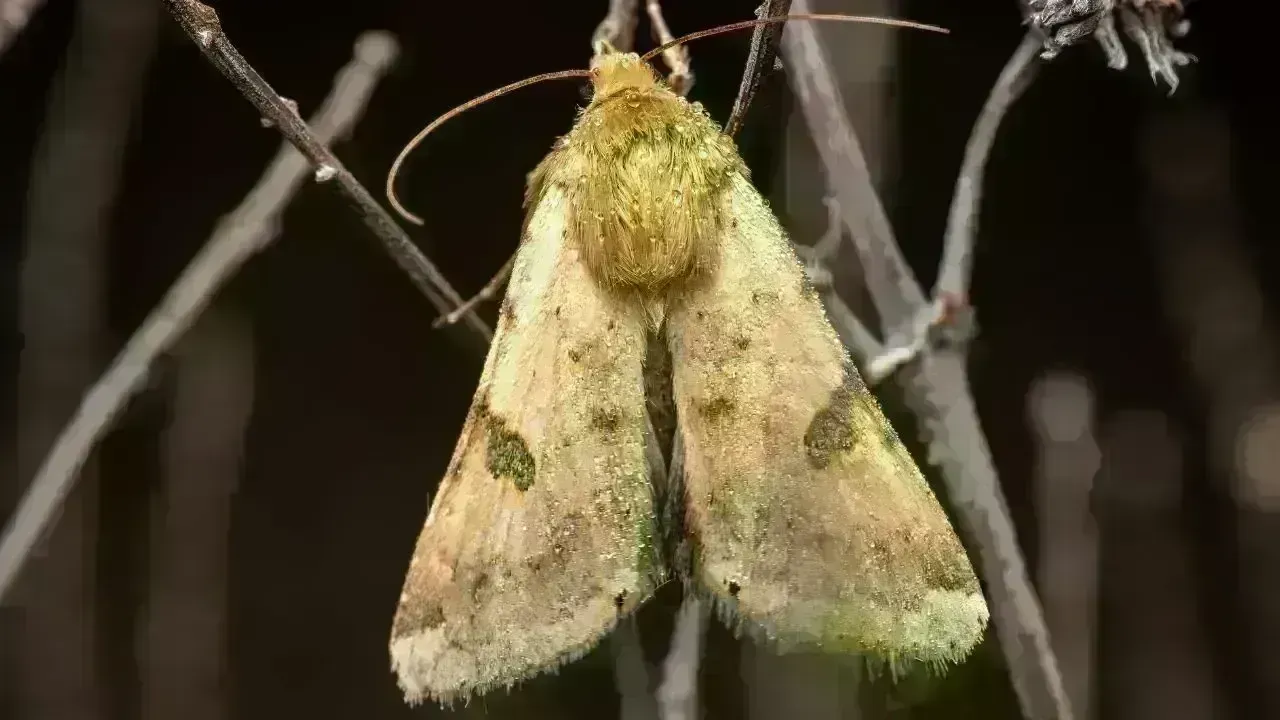
A newly identified invasive moth species has raised significant concerns regarding the environment and agriculture in Ladakh, one of India's most ecologically fragile areas. Scientists have recorded the presence of the Phalera cf. bucephala, commonly referred to as the buff-tip moth, in the Suru Valley of Kargil district. This insect is feared to pose a serious threat to the area's farm-based economy due to its potential for widespread destruction of trees and vegetation.
The species was documented by a group of four scientists in the chilly desert expanse of Ladakh. Originally found in parts of Africa, East Asia, and Europe, the buff-tip moth is denoted with “cf.” in its name, indicating that the specimen observed may either be a new regional record or a closely related but distinct species. Further research is underway to clarify the insect’s classification and its potential effects on the delicate Himalayan ecosystem.
Experts have expressed alarm over the larvae of the buff-tip moth, which are voracious feeders. The caterpillars are capable of consuming significant amounts of foliage very quickly, potentially stripping entire trees of their leaves within weeks. This behavior has unsettled local residents, as Ladakh’s agricultural framework relies heavily on limited vegetation and tree cover in its challenging mountain landscape.
Suru Valley, situated within Kargil district, is notable for its agricultural pursuits and lush landscapes compared to other cold desert regions in Ladakh. Farmers in this area cultivate crops and maintain orchards that sustain local livelihoods. Environmental authorities are concerned that a surge in the populations of the buff-tip moth could jeopardize local crops, fruit trees, and natural vegetation, leading to significant economic and ecological disruption.
Additionally, scientists caution that the introduction of invasive species can instigate long-term environmental challenges within vulnerable ecosystems. Given Ladakh’s precarious climate and limited biodiversity, any unexpected rise in invasive insects could disrupt the region's natural equilibrium. Researchers are particularly worried that climate change and increased temperatures may facilitate the survival and expansion of such species into new areas.
The buff-tip moth's remarkable camouflage renders it hard to spot in its natural environment. Adult moths often mimic broken twigs or tree bark, which helps them evade predators and go unnoticed. This natural defense may complicate monitoring and management efforts for researchers and forest officials in the future.
Environmental scientists are urging policymakers to keep a close watch on the spread of the moth and to conduct more ecological studies in the area. Experts assert that early detection and preventative measures will be crucial in safeguarding Ladakh’s agriculture, biodiversity, and local economy against potential long-term threats. This discovery has further illuminated the pressing environmental challenges facing Himalayan ecosystems due to both invasive species and climate change.


 English