Post by : Shweta
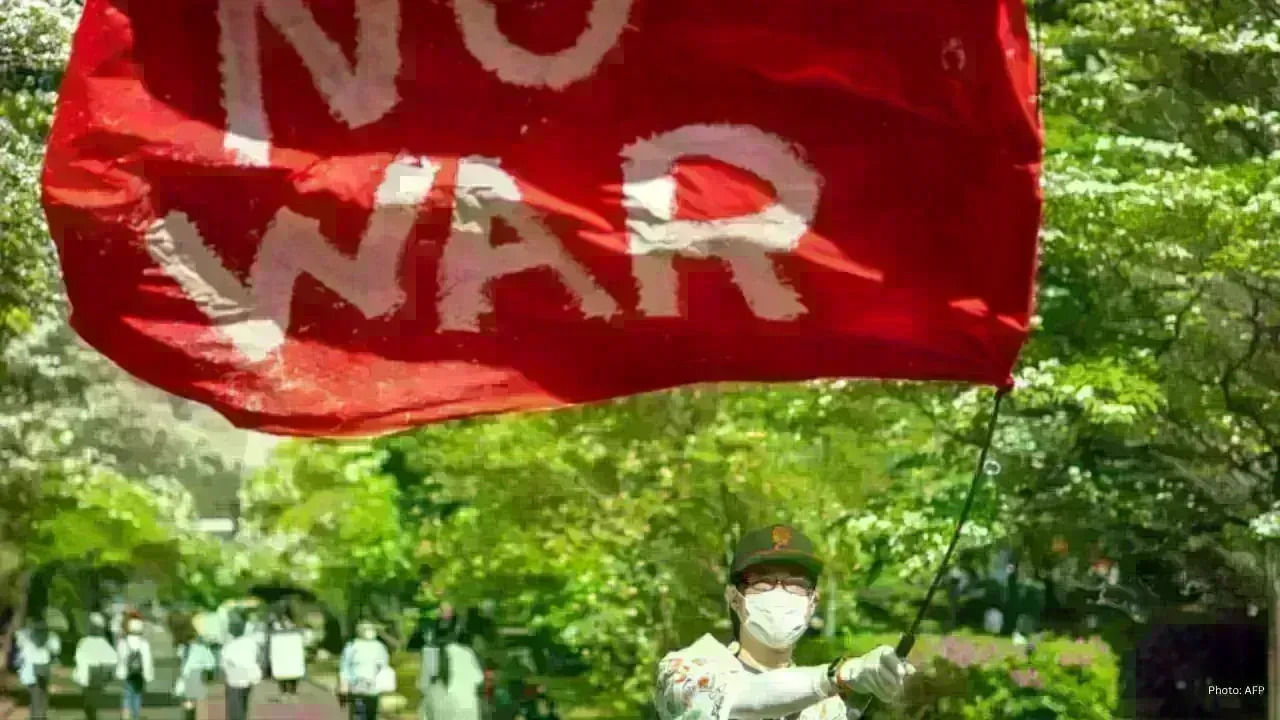
A significant youth-led protest movement is flourishing in Japan, as thousands march to uphold the nation’s cherished pacifist constitution. This wave of demonstrations coincides with heightened discussions about potential amendments to the constitution, particularly Article 9, which renounces warfare and restricts Japan's military activities.
Major protests have erupted in Tokyo, especially close to the National Diet building, where lawmakers are contemplating constitutional changes. Many of the demonstrators are students and young professionals who firmly oppose any alterations that could compromise Japan’s commitment to peace. The scale of these protests has surged dramatically in recent weeks, with attendance escalating from a mere few thousand earlier in the year to tens of thousands now.
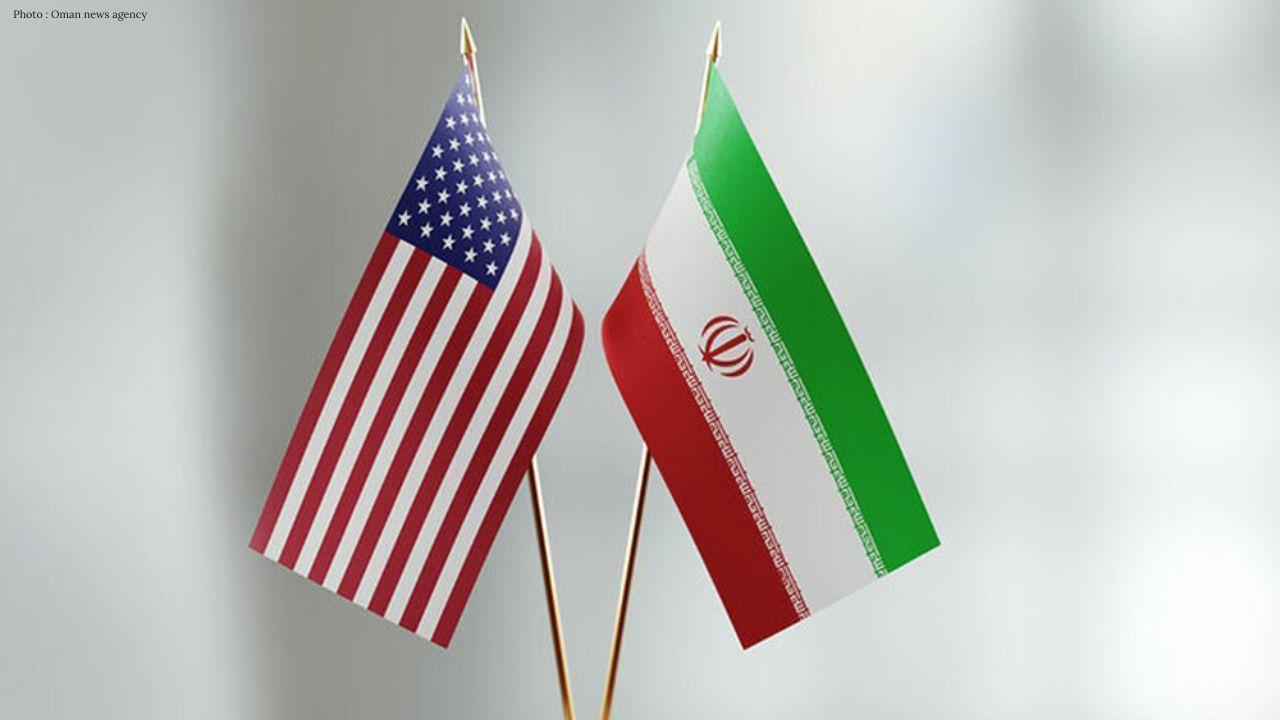
Participants express concerns that altering the constitution may entangle Japan in international disputes. Many connect their anxieties to the escalated global tensions, particularly the ongoing issues surrounding Iran, which they fear might prompt military engagement. Protesters prominently displayed signs advocating peace, chanting calls for the government to uphold the constitution.
The current movement for reform is backed by conservative figures, including Prime Minister Sanae Takaichi, who contends that Japan must modernize its legal framework to confront contemporary security threats. Advocates for change argue that the existing constitution hinders Japan’s self-defense capabilities, especially with escalating threats from neighboring nations like North Korea and China.
Conversely, opponents caution that even minor shifts could yield severe long-term implications. They warn that modifying Article 9 may pave the way for expanded military engagements, jeopardizing Japan's longstanding principle of non-aggression. For many within the protest community, the constitution symbolizes post-World War II peace, which they believe must be preserved.
This debate has also cast a spotlight on Japan’s relationship with the United States, as some demonstrators voiced concerns about foreign influence on domestic policy. Moreover, the path toward constitutional amendment remains fraught with challenges, necessitating substantial parliamentary backing and a public referendum for approval.
As discussions unfold, the intensifying protests expose a profound rift in Japanese society. While some perceive reform as essential for national security, others view it as a peril to decades of peace, leaving the outcome ambiguous in the months to come.


 English