Post by : Saif
Al-Najjar
The prolonged conflict in Yemen is evolving as the internationally recognized government regains assertiveness and strategic direction. After enduring years of division and internal strife, the focus has shifted towards confronting the Houthi movement, which maintains control over significant regions of northern Yemen, including the capital, Sanaa.
Historically, the Yemeni government faced challenges due to the fragmentation of anti-Houthi factions, which operated under various leaderships and conflicting interests, inhibiting cohesive action. This disunity not only weakened the government's stance but also empowered the Houthis.
Recently, a transformation has occurred. The government has curtailed the influence of competing armed groups in the south, achieving a degree of internal harmony. This has instilled confidence in leaders, shifting their focus away from local disputes toward a unified approach against the Houthis.
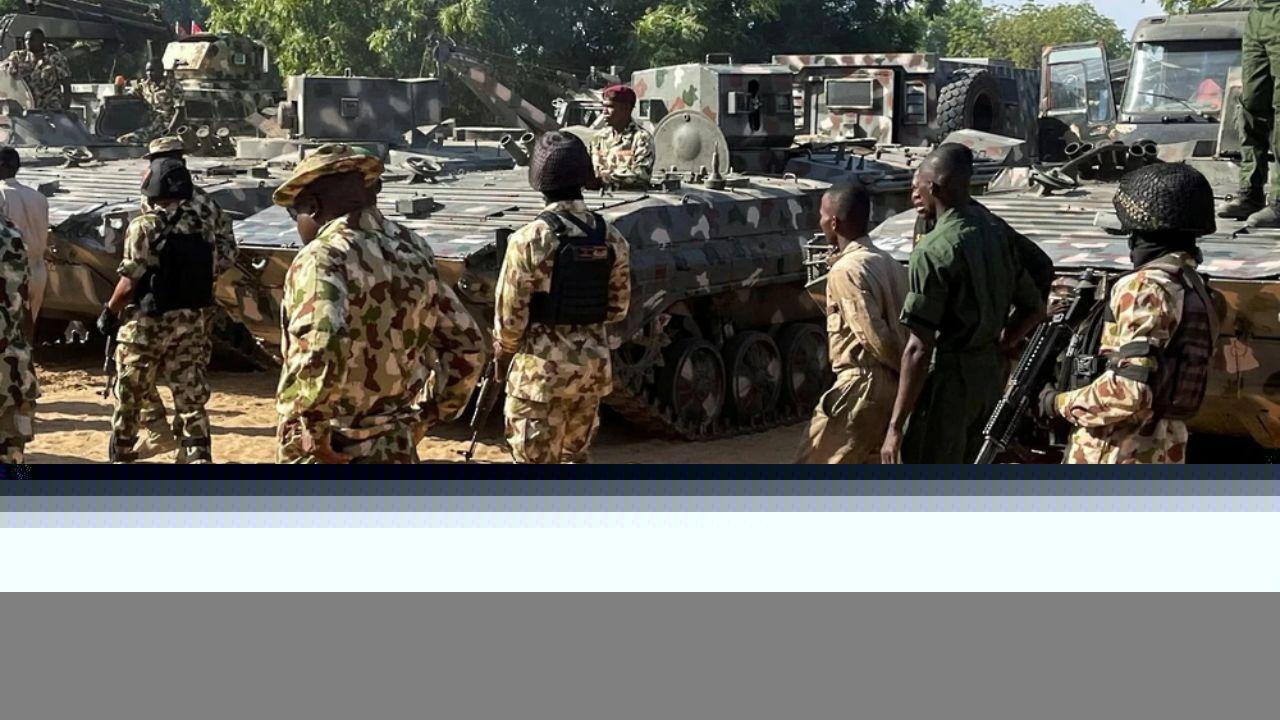
A pivotal initiative has been the formation of a new military entity designed to harmonize all anti-Houthi forces under a singular command. The objective is straightforward: enhanced coordination. By aligning various units, the government aims to bolster discipline, strategic planning, and overall operational strength. Advocates believe this can eliminate years of fragmentation among allied forces.
Officials assert that unity is crucial for Yemen to reclaim stability. They contend that a centralized command can better defend territories and safeguard civilians compared to disparate groups operating independently.
However, reactions across Yemen are varied. Some individuals endorse this strategy, suggesting it may foster equilibrium and compel the Houthis to engage in constructive peace talks. Conversely, others express concern that a renewed military emphasis could precipitate further violence, jeopardizing recent periods of tranquility.
Houthi supporters have downplayed the government's intentions, claiming their forces remain robust and prepared to defend their territories. They argue that any advances towards the north would encounter severe resistance, potentially plunging the nation back into fierce conflict.
Analysts caution that the Houthis are formidable adversaries, having amassed military experience and making strategic gains in key cities and supply routes over the years. Any endeavor to oust them through force is likely to be protracted and costly.
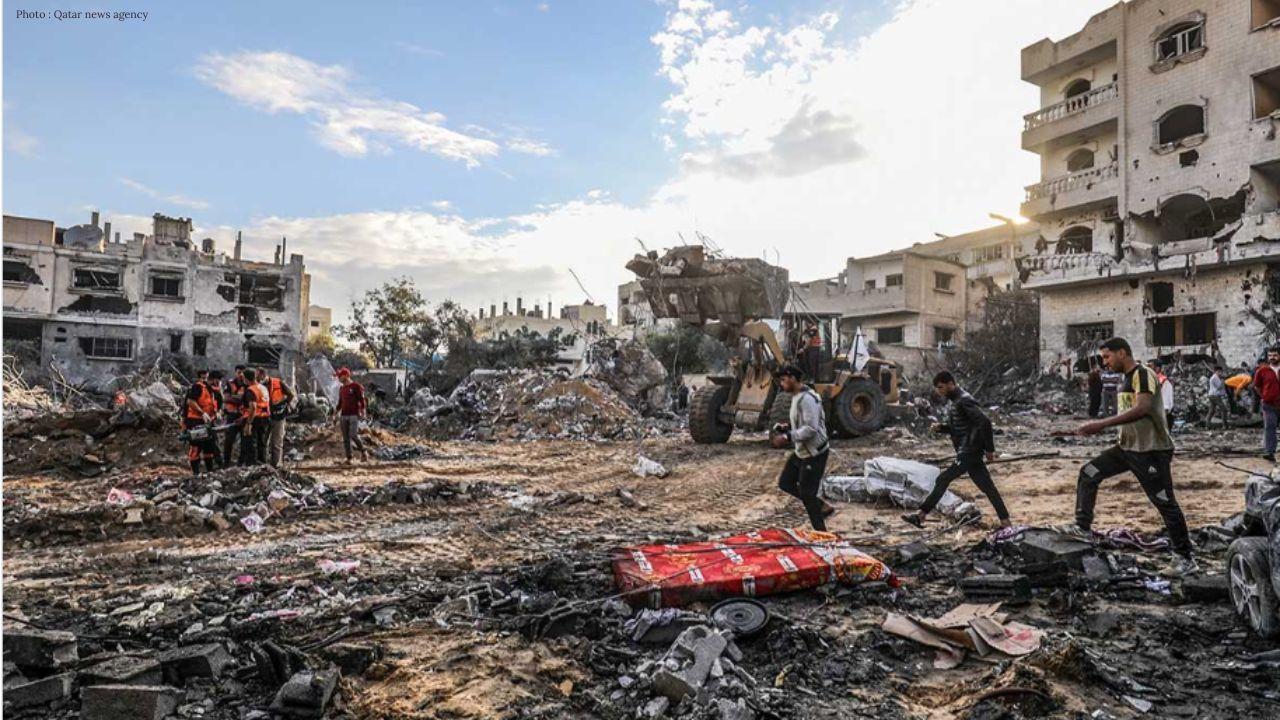
Common Yemenis are observing the developments attentively. After years of turmoil, exhaustion runs deep. Many have had their homes destroyed, jobs lost, and millions rely on humanitarian assistance for survival. Parents are anxious about their children's futures, and communities yearn for peace.
Some residents in southern cities assert that enhanced unity might at least provide better local security and mitigate lawlessness. Others emphasize that genuine advancement hinges on dialogue, not military endeavors.
International observers note that the government’s revitalized determination could shift the power dynamics, provided it is accompanied by political solutions. Military strength alone cannot mend the profound scars inflicted by years of warfare.
Yemen stands at a pivotal juncture. The government's initiative for unity presents a chance to re-establish authority and restore order. Nonetheless, the road ahead remains fraught with risks. The outcome—whether this renewed focus leads to peace or further conflict—rests on decisions made in the months to come.


 English