Post by : Bianca
Haleem
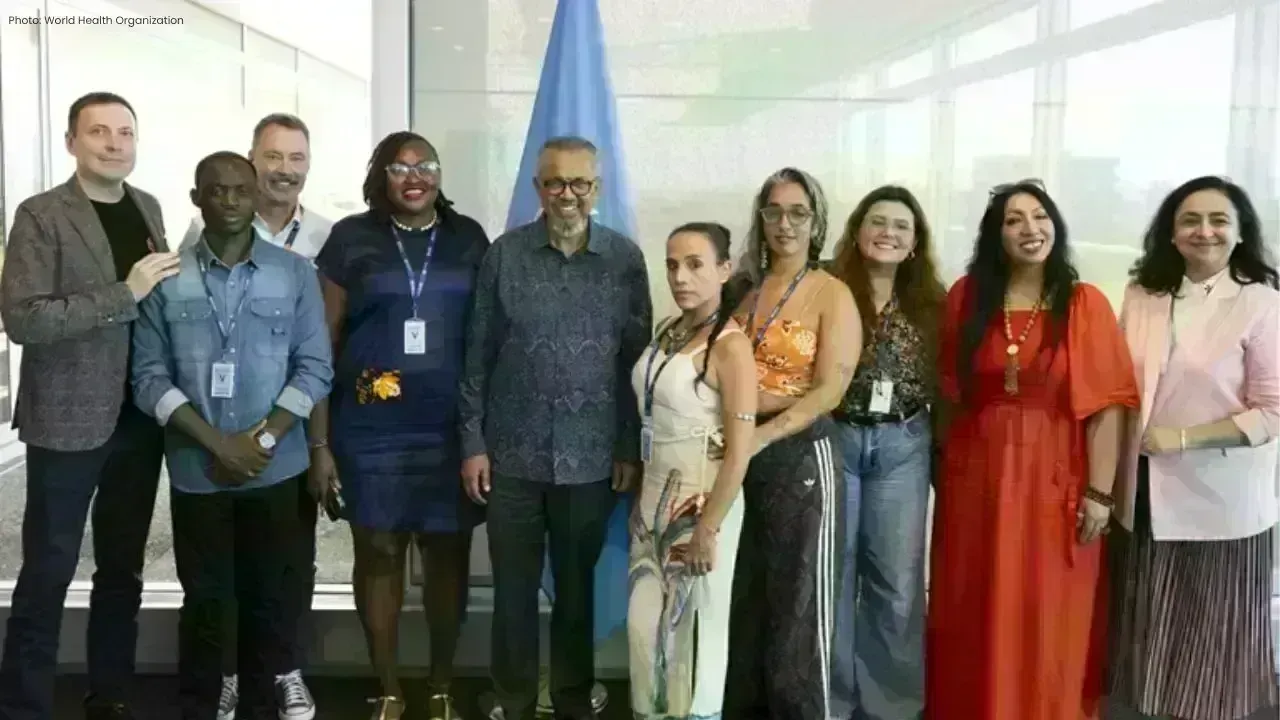
The World Health Organization (WHO) has reaffirmed its commitment to placing communities at the centre of the global HIV response, emphasizing that people living with and affected by HIV must play a leading role in shaping policies, programmes, and decision-making processes. The commitment was reiterated during a meeting between WHO Director-General Dr Tedros Adhanom Ghebreyesus and HIV community leaders held on 3 July 2026 in Geneva, Switzerland, on the sidelines of the UNAIDS Programme Coordinating Board (PCB) meeting.
Opening the discussion, Dr Tedros highlighted that WHO wanted to begin by listening to the voices of communities. He acknowledged that organizations and individuals working directly with people affected by HIV possess invaluable knowledge, lived experiences, and leadership that are essential for creating effective health policies. According to him, communities have been at the forefront of the HIV response for decades, making their participation indispensable in the fight against the disease.
Community Leaders Call for Greater Role in Decision-Making
During the meeting, HIV community leaders welcomed the opportunity to engage directly with the WHO leadership. They emphasized that ongoing reforms in the global HIV response should not only recognize the importance of communities but also ensure that they are actively involved in governance, policy development, programme implementation, and accountability. They stressed that communities should be equal partners in designing and evaluating health strategies rather than being consulted only after key decisions have already been made.
Read More: Arab League Chief Sets Priorities for Stronger Joint Arab Action
Participants also raised concerns about the continued challenges faced by people living with HIV, including stigma, discrimination, and criminalization in many parts of the world. They underlined that protecting human rights remains fundamental to ending the HIV epidemic and called for stronger efforts to eliminate barriers that prevent people from accessing healthcare and support services. Community representatives also advocated for expanding community-led monitoring initiatives, which help improve transparency, strengthen accountability, and ensure that health programmes reflect the real experiences and needs of affected populations.
Responding to these concerns, Dr Tedros reaffirmed WHO's commitment to maintaining an open and continuous dialogue with HIV communities. He said the organization would continue expanding meaningful community engagement across its HIV programmes, including through the WHO Civil Society Commission. He also expressed WHO's willingness to work more closely with community organizations in shaping, implementing, and evaluating policies aimed at improving HIV prevention, treatment, care, and support.
What is WHO?
The World Health Organization (WHO) is the United Nations' specialized agency for public health. Established on 7 April 1948, WHO works with governments, healthcare institutions, researchers, and civil society organizations to improve global health, prevent diseases, respond to health emergencies, and promote universal access to healthcare. It plays a leading role in coordinating international efforts against diseases such as HIV/AIDS, tuberculosis, malaria, and other major public health challenges.
Why This Meeting Matters
The meeting underscores the growing global recognition that ending the HIV epidemic requires the active participation of the very communities most affected by the disease. WHO believes that policies and programmes become more effective, inclusive, and sustainable when people living with HIV and community organizations are involved in every stage—from planning and decision-making to implementation and evaluation.
By strengthening partnerships with community leaders, WHO aims to build greater trust, improve accountability, and ensure that HIV services are designed around the real needs and lived experiences of people. The organization also reaffirmed its commitment to protecting human rights, reducing stigma and discrimination, and supporting community-led initiatives that can help expand access to prevention, treatment, and care. Through continued collaboration with civil society and affected communities, WHO hopes to accelerate global progress toward ending HIV as a public health threat while ensuring that no one is left behind.


 English