Post by : Shweta
The ongoing conflict in West Asia has now reached 60 days, with neither side achieving a definitive military or political success. The protracted standoff raises concerns of an escalating regional crisis with profound global implications. Involvement from the United States, Israel, Iran, and various regional factions has led to widespread devastation, economic turmoil, and heightened diplomatic strains throughout the Middle East. Both parties remain entrenched in a precarious standoff despite numerous military efforts and international calls for resolution.
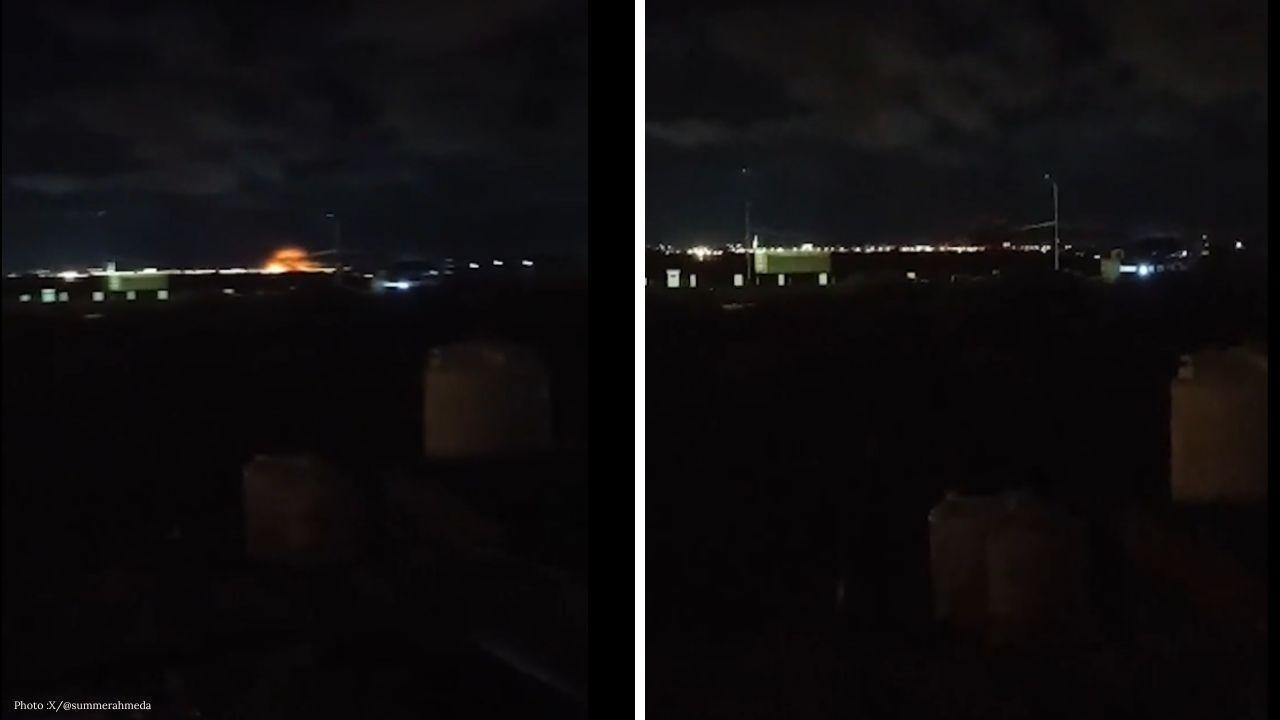
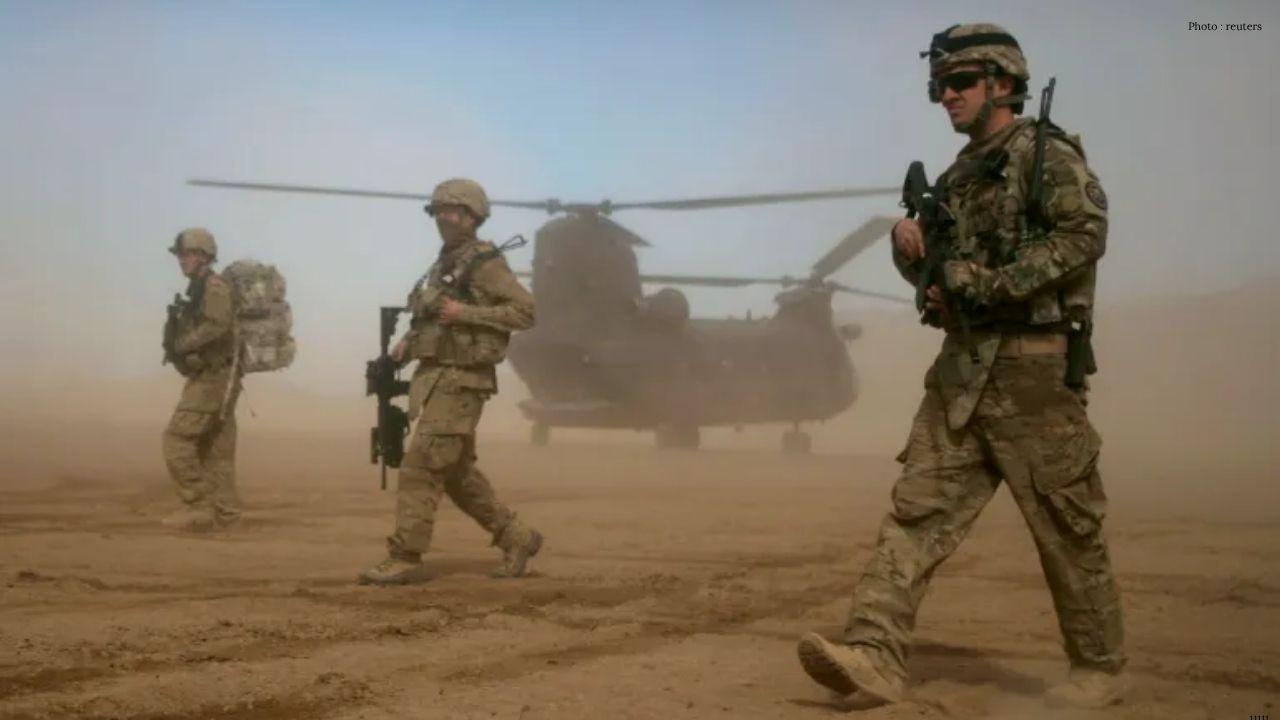
The hostilities commenced on February 28, 2026, when the US and Israeli forces launched airstrikes targeting Iranian military installations. In retaliation, Iran executed large-scale missile and drone assaults on Israeli sites and American military bases, triggering a broader regional conflict that has affected shipping lanes, energy facilities, and allied military groups.
A temporary ceasefire was brokered in early April, yet tensions remain alarmingly high. Reports suggest mutual accusations of ceasefire violations, with diplomatic efforts continuing to falter. The US has sustained pressure on Iran through naval maneuvers and economic sanctions, while Iran has resisted meeting demands related to its nuclear ambitions.
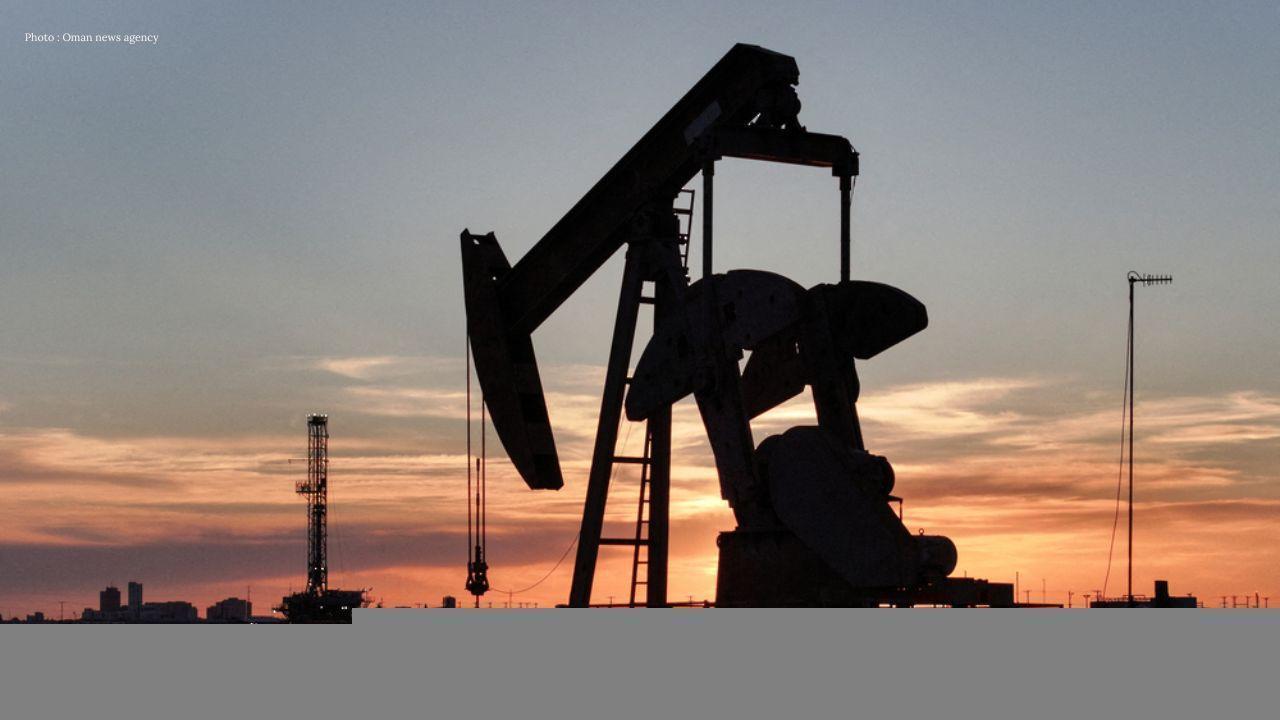
Global energy markets have been severely impacted, with the Strait of Hormuz facing persistent disruptions. Recent spikes in oil prices have raised global fuel costs and inflation fears. Energy analysts caution that ongoing instability in the Gulf could hamper global trade and economic recovery efforts.
The conflict is also generating increasing political strain in the United States. Under the War Powers Act, President Donald Trump is facing mounting scrutiny from Congress regarding continued military actions in Iran, with voices from both parties calling for formal congressional authorization. However, the Trump administration maintains that the active ceasefire has paused the legal frameworks normally governing military operations.
The financial toll of the conflict is substantial, with the Pentagon estimating the cost to the US at approximately $25 billion for military operations alone. Much of the funding has gone towards combat engagements, missile defense, and the replacement of damaged equipment. Critics assert that these expenses are further burdening American taxpayers, already feeling the strain of escalating fuel prices and economic instability.
Amid these tensions, Gulf countries, including Saudi Arabia, Qatar, the UAE, and Bahrain, are walking a fine line, attempting to maintain security partnerships with the US while avoiding antagonizing Iran. The ongoing conflict has stoked fears of regional instability and potential threats to oil exports.
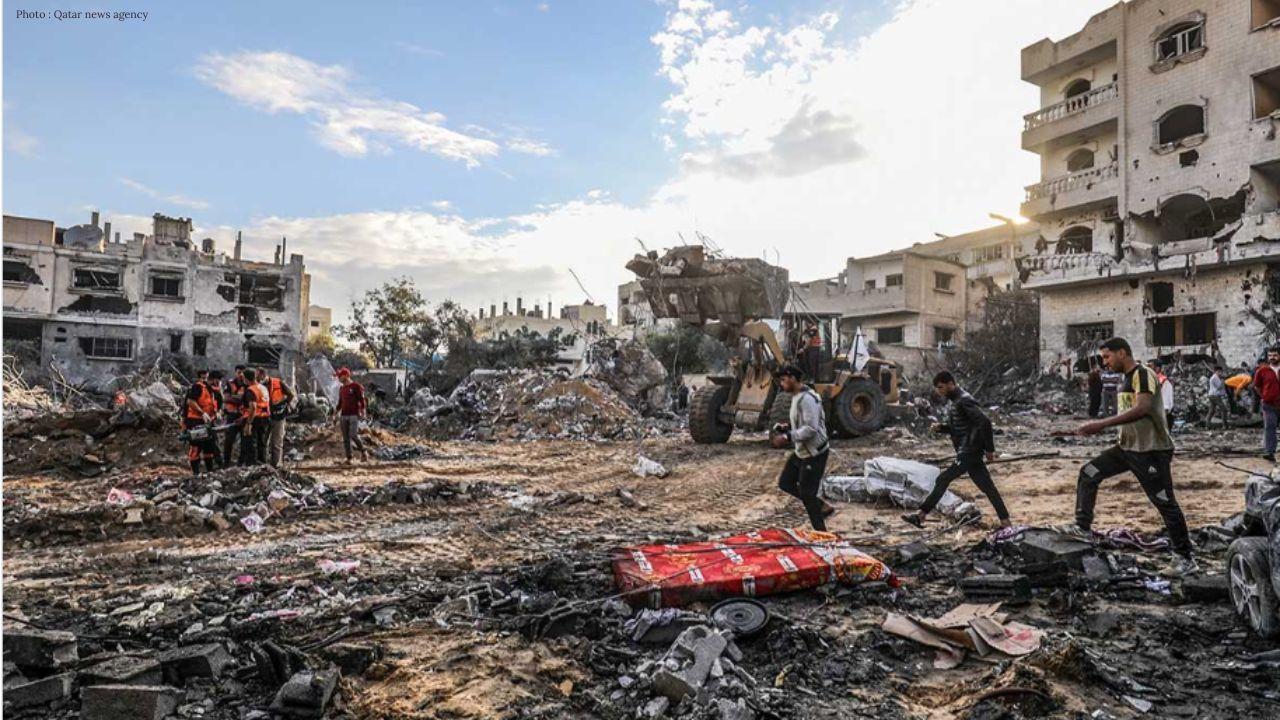
Humanitarian crises have intensified, with thousands killed or displaced since hostilities erupted. Attacks on non-combatant areas have strained essential services like healthcare and education, prompting calls from international organizations and the UN for diplomatic solutions, emphasizing that military action will not resolve the crisis.
Military experts identify that the conflict has reached a challenging impasse, with neither side capable of claiming total victory. While the US and Israel have aimed efforts at degrading Iranian military strength, Iran continues to exert influence through missile attacks and regional alliances. Analysts are referring to this scenario as a “war without triumph,” marked by significant economic, political, and strategic setbacks for all involved.
As the conflict enters its third month, future developments appear uncertain. Diplomatic negotiations remain fragile, military escalations persist, and political rifts are deepening within numerous nations. The next few weeks will be pivotal in determining whether West Asia veers toward broader warfare, stagnation, or a possible peace settlement.


 English