Post by : Meena
Hassan
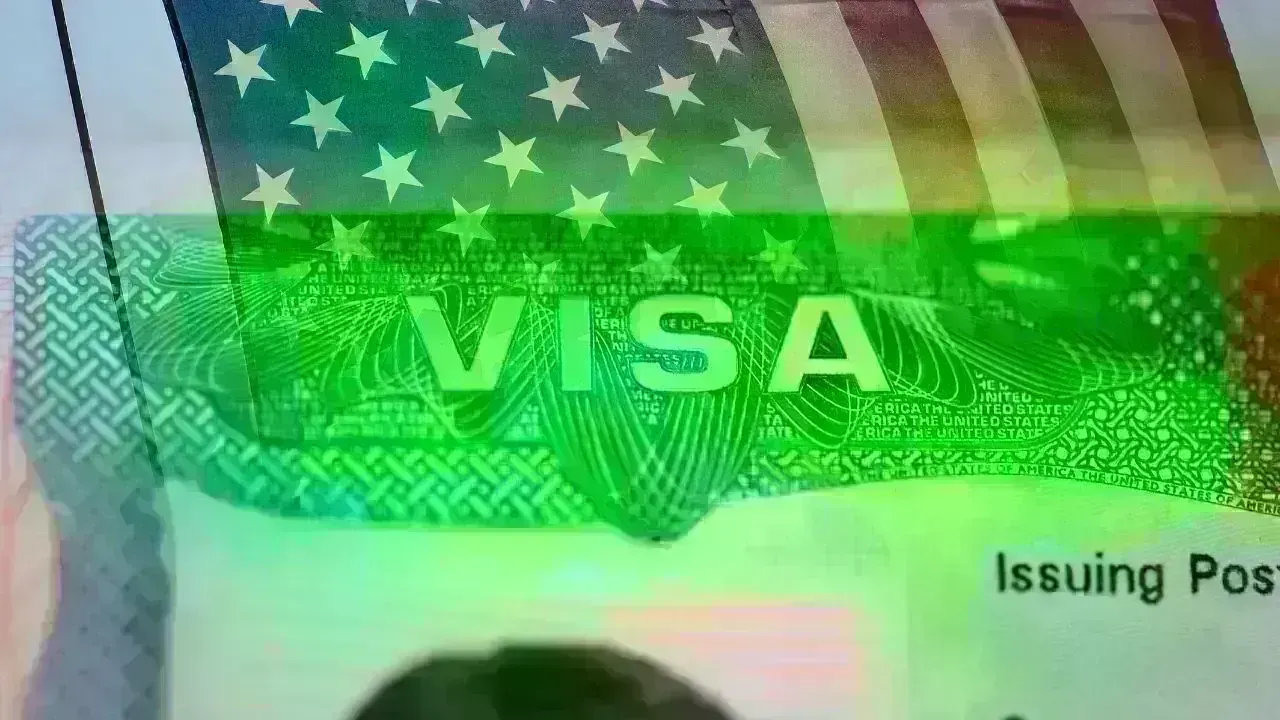
A significant rise in animosity towards Indian professionals and businesses has emerged in the United States in the wake of major modifications to the skilled-worker visa framework. Analysts believe this backlash is largely tied to recent changes affecting the structure, eligibility, and expenses associated with the H-1B visa system.
In September, a new visa structure was introduced, resulting in a sharp hike in application costs. Now, firms interested in employing foreign skilled workers must pay fees that can soar to $100,000. Additionally, the selection process has transitioned to prioritize salary levels, disadvantaging those applying for entry-level or mid-level positions. Officials contend that these amendments aim to protect domestic employment and prevent American workers from being overshadowed by foreign talent.
However, critics argue that these policy shifts have broader social implications. Since the introduction of the new regulations, Indian professionals—who constitute a large segment of H-1B visa holders—have faced a surge in online hostility, targeted harassment, and accusations of unfairly occupying jobs meant for American citizens.
Beginning in February, it is anticipated that the regulations will become even stricter, with immigration authorities prioritizing the highest-paid candidates, typically senior professionals. Analysts warn that this tactic will further limit eligibility, effectively sidelining countless skilled individuals in critical sectors like technology, healthcare, engineering, and academia.
As discussions about the visa changes simmered, several prominent American corporations found themselves ensnared in the debate. Major multinational firms were subjected to organized online campaigns, facing allegations of illegally hiring Indian workers or systematically replacing American staff with foreign employees without any verified proof.
Researchers tracking extremist behavior note that these coordinated attacks are not random. Indian American entrepreneurs who availed government-supported small business loans found themselves particularly targeted, facing unfounded claims of financial misconduct or unfair advantages.
Experts indicate that discrimination against Indians in the US has intensified in both scope and severity. Narratives portraying Indian professionals as "job thieves" or "visa abusers" have proliferated online, proving challenging to counter once set in motion.
Data gathered by advocacy groups shows a clear uptick in threats and hate-filled rhetoric toward South Asian communities. The last months of the previous year saw a notable increase in violent threats, while racial slurs targeting South Asians surged across online platforms.
This escalating hostility coincides with a rise in skilled immigration from India to the US. For years, American businesses have relied on Indian expertise to fill crucial gaps where local talent is scarce. Indian professionals in software, engineering, healthcare, and scientific research significantly contribute to sectors vital for economic growth and innovation.
Tensions heightened further following a viral video showcasing harm to a delivery vehicle, which had no confirmed links to immigration issues. The subsequent discussions turned excessively personal and racially charged, leading to a barrage of negative comments aimed at the Indian CEO of the involved company.
Many comments included vehement demands to halt the so-called "Indian takeover" of American businesses. Nationalist commentators amplified unproven claims that American workers were being affected adversely by Indian employees, despite a lack of substantiated evidence.
The affected company firmly denied the accusations, emphasizing that all employment practices are based on qualifications and business needs, rather than nationality. It emphasized its ongoing commitment to equal opportunity and noted that its diverse workforce reflects its global operations.
The backlash against Indian professionals is developing alongside broader trends in corporate America. Recently, a number of large firms have scaled back their diversity initiatives, facing scrutiny that these programs disadvantage specific demographics. Proponents argue that these efforts foster fair workplaces, while opponents claim they skew hiring norms.
Observers suggest that tightening immigration policies, diminishing emphasis on diversity programs, and charged political discourse regarding employment and national identity have cultivated an environment where minority communities, particularly Indians and South Asians, are becoming increasingly vulnerable.
If these trends persist, experts warn of risks extending beyond social fragmentation. Skilled migration has historically bolstered innovation and competitiveness in the US. Labeling foreign professionals as scapegoats, analysts caution, threatens to heighten social discord and compromise industry sectors that heavily rely on global talent.
As discussions surrounding immigration and employment continue to evolve, Indian professionals and businesses find themselves at the heart of a widening cultural and political discourse—one that transcends visa policy and delves into larger themes of identity, opportunity, and inclusion in contemporary American society.


 English